
Everything You Need to Know About Custom Fabric Tag Printing for Your Business
2024-11-25
Are you ready to enhance your brand image and take your product to a new level? Contact us immediately and start customizing fabric tag printing for your business!
In today's business world, establishing a strong brand identity is essential for survival. Custom fabric tags are a great way to showcase your brand and take it to the next level. They offer many benefits that can help you enhance your brand recognition, create a professional image, and boost sales. In this article, we will cover everything you need to know about custom fabric tag printing for your business.
Benefits of Custom Fabric Tag Printing
Custom fabric tags are popular in numerous industries such as apparel, textiles, and home goods. Some of the benefits of using custom fabric tags include:
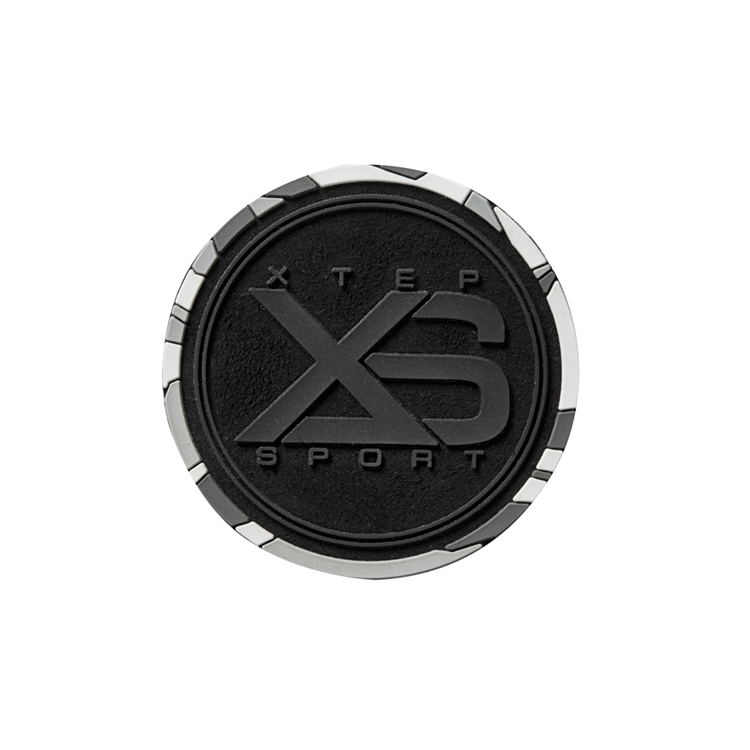
1. Brand recognition: Custom fabric tags help create brand awareness, adding to your brand's uniqueness and personality. The tags can be designed to include your company logo and color scheme, ensuring that customers associate your products with your company.
2. Professional image: Custom fabric tags help make your brand look professional and established, which can make your products more appealing to customers. They add a touch of elegance and sophistication, which can help build trust with your customers.
3. Boost sales: A well-designed custom fabric tag can make a positive impact on your sales. They can act as a visual cue for customers, allowing them to quickly identify your product and make it stand out on a crowded shelf.
Custom Fabric Tag Materials
Custom fabric tags can be made from various fabric materials, each with its properties and characteristics. Some of the most commonly used materials include:
1. Cotton: Cotton is the most popular material for custom fabric tags. It is soft, durable, and easy to care for, making it ideal for a wide range of products.
2. Polyester: Polyester is a synthetic fabric material that is durable, lightweight, and resistant to creases and wrinkles. Custom fabric tags made from polyester are ideal for products that undergo frequent handling.
3. Nylon: Nylon is also a synthetic fabric material that is strong and durable. It is resistant to abrasion, making it ideal for products that undergo heavy use.
4. Satin: Satin is a silky fabric material that looks lustrous and smooth. Custom fabric tags made of satin are an excellent option for high-end products.
Choosing the Right Fabric Tag Manufacturer
Choosing the right fabric tag manufacturer is critical to achieving the desired results. A good manufacturer will ensure that you get the right quality and pricing, turnaround time, and excellent customer service. Some of the tips for choosing the right fabric tag manufacturer include:

1. Research manufacturers: Research the manufacturers you are considering and check their reviews and ratings online.
2. Check quality: Request fabric tag samples to ensure that the quality and materials used meet your standards.
3. Pricing: It would be best to compare pricing among different manufacturers to ensure that you get the best deal.
Custom Fabric Tag Design and Printing Process
Custom fabric tags can be created in various sizes, colors, and styles to meet your branding needs. The right design, colors, and font selection can create an instant, recognizable, and eye-catching representation of your brand. Creating a custom fabric tag design that successfully showcases your brand's image requires careful consideration of various factors including color, fabric material, size, and printing method.

The design process of custom fabric tags begins with the creation of a theme and color scheme. A well-defined theme and color scheme helps in creating a visual representation of the brand's image and reflects its values. Once the design concept is finalized, the next step is choosing the right font style, size, and color. The font style should be legible, easy to read, and consistent across all tags. The font size should be compatible with the tag size, and the color must be contrasting to the background color for better visibility.
After finalizing the design and colors, it's time to choose the fabric material that suits the design best. The fabric material can range from cotton to nylon, and it's up to the brand to select the one that best aligns with their brand values and product type.
Lastly, the tag's printing method has to be chosen, whether to use digital or traditional printing. Digital printing is an ink-based method suitable for smaller print runs, while traditional printing involves printing layers of ink one by one, which makes it more suitable for high-volume orders.
In this stage, it's crucial to remember that the printing process is a determinant of the tag quality and to choose a high-quality printing method that produces a clear, legible and aesthetically pleasing tag design for better results.
The design process of custom fabric tags begins with the creation of a theme and color scheme. A well-defined theme and color scheme helps in creating a visual representation of the brand's image and reflects its values. Once the design concept is finalized, the next step is choosing the right font style, size, and color. The font style should be legible, easy to read, and consistent across all tags. The font size should be compatible with the tag size, and the color must be contrasting to the background color for better visibility.
After finalizing the design and colors, it's time to choose the fabric material that suits the design best. The fabric material can range from cotton to nylon, and it's up to the brand to select the one that best aligns with their brand values and product type.
Lastly, the tag's printing method has to be chosen, whether to use digital or traditional printing. Digital printing is an ink-based method suitable for smaller print runs, while traditional printing involves printing layers of ink one by one, which makes it more suitable for high-volume orders.
In this stage, it's crucial to remember that the printing process is a determinant of the tag quality and to choose a high-quality printing method that produces a clear, legible and aesthetically pleasing tag design for better results.
Conclusion
Custom fabric tags are a cost-effective solution to branding, and they offer many benefits that can help enhance your brand recognition and boost sales.
How Velcro Labels Can Help You Stay on Top of Your Home Renovations
Save Money and Personalize Your Clothing with DIY Tags


SEND MESSAGE