Why Iron-On Fabric Letters Ruin Clothes
Explore our collection of iron-on fabric letters to add a unique touch to your DIY projects. Ideal for customizing apparel and home decor effortlessly.
Introduction: The Hidden Cost of Convenience in Custom Apparel
Iron-on fabric letters are often marketed as a quick, affordable way to personalize clothing, uniforms, or promotional wear. While they promise ease of use, their long-term effects on fabric integrity and aesthetics can be devastating. For brands, retailers, and consumers prioritizing durability and professionalism, understanding the risks of iron-on letters is critical.
This article explores seven key reasons why iron-on fabric letters frequently ruin clothes, from adhesive failures to irreversible fabric damage. By identifying these issues, businesses can make informed decisions about alternative labeling solutions that protect both garments and brand reputation.
1. Inferior Adhesive Bonds Fail Under Repeated Washing
The foundation of any iron-on letter is its adhesive backing. However, many low-quality products use generic thermoplastic adhesives that degrade quickly when exposed to water, heat, or detergents.
Over time, repeated washing causes the adhesive to soften, leading to peeling, bubbling, or complete detachment. Worse, residual adhesive left on the fabric can stain or stiffen the garment, rendering it unsellable or unappealing to customers.
High-quality alternatives, such as sewn-on or woven labels, eliminate adhesive dependency, ensuring permanent attachment without compromising fabric texture.
2. Excessive Heat During Application Weakens Fabric Fibers
Iron-on letters require high temperatures (often 300°F/150°C or more) to activate the adhesive. While this works on some materials, synthetic fabrics like polyester, nylon, or spandex can melt or warp under such heat.
Natural fibers like cotton or wool are also vulnerable. Prolonged exposure to high temperatures breaks down fibers, causing discoloration, thinning, or holes in the fabric. This damage is irreversible and diminishes the garment’s lifespan.

Professional labeling methods, such as embroidery or woven tags, apply minimal heat and mechanical stress, preserving fabric integrity while achieving a polished finish.
3. Incompatible Fabric Types Lead to Lifting and Shrinkage
Not all fabrics react the same way to heat transfer. Smooth, tightly woven materials (e.g., canvas) may accept iron-on letters better than textured or stretchy fabrics (e.g., fleece or knits).
Incompatibility often results in uneven adhesion, where parts of the letter lift while others remain firmly attached. Stretchy fabrics exacerbate the problem, as movement and elasticity strain the rigid adhesive bond, causing cracks or detachment.
Custom woven or printed labels, tailored to the fabric’s properties, offer flexibility and adaptability, ensuring a seamless integration that lasts.
4. Lack of Flexibility Causes Cracking and Fading
Iron-on letters are typically rigid, especially those made from vinyl or plastic-like materials. Once applied, they lack the flexibility to move with the garment during wear.
Frequent bending, stretching, or folding creates micro-fractures in the adhesive or material itself. These cracks expand over time, leading to visible deterioration, fading, or flaking.
In contrast, embroidered or debossed leather labels retain flexibility, adapting to the garment’s movement without compromising structural integrity.
5. Moisture and Sweat Accelerate Delamination
Clothing items subjected to moisture—whether from sweat, rain, or humidity—are particularly prone to iron-on letter failure. The adhesive’s bond weakens when exposed to moisture, causing the letters to lift or blister.
Athletic wear, uniforms, and children’s clothing are especially at risk, as they endure frequent washing and heavy use. Brands relying on iron-on letters for such garments face higher return rates and customer dissatisfaction.
Durable labeling solutions, like waterproof woven tags or silicone-printed logos, resist moisture and maintain their appearance through rigorous conditions.
6. Improper Application Techniques Multiply Risks
Even high-quality iron-on letters can fail if applied incorrectly. Common mistakes include:
- Uneven pressure : Creates gaps in adhesion.
- Insufficient heat/time : Results in weak bonding.
- Misalignment : Leads to crooked or wrinkled letters.
These errors are compounded in mass production, where inconsistent application across batches damages brand consistency.
Professional labeling services eliminate human error through automated machinery and standardized processes, guaranteeing precision and reliability.
7. Unprofessional Appearance Hurts Brand Perception
When iron-on letters peel, fade, or crack, they convey poor quality to customers. For businesses, this undermines brand credibility and reduces perceived value.
A logo or name that falls apart within weeks signals neglect in craftsmanship, discouraging repeat purchases. Conversely, premium labeling techniques—such as embroidered patches or custom woven tags—enhance brand prestige by delivering a polished, long-lasting finish.
Investing in high-quality labels isn’t just about aesthetics; it’s a strategic move to align your brand with excellence.
Conclusion: Prioritize Quality Over Short-Term Savings
While iron-on fabric letters may seem cost-effective upfront, their tendency to ruin clothes makes them a risky choice for businesses focused on longevity and customer satisfaction. From adhesive failures to irreversible fabric damage, the drawbacks far outweigh the convenience.
By opting for superior alternatives—such as woven, embroidered, or printed labels—brands can protect their products, elevate their image, and build lasting trust with consumers.
Final Thoughts: Build a Reputation for Durability and Sophistication
In today’s competitive market, every detail matters. Labels aren’t just identifiers; they’re extensions of your brand’s identity. Choosing durable, professionally crafted labeling solutions ensures your garments withstand the test of time—and the test of your customers’ expectations.
Avoid the pitfalls of iron-on letters. Invest in quality that speaks volumes about your commitment to excellence.
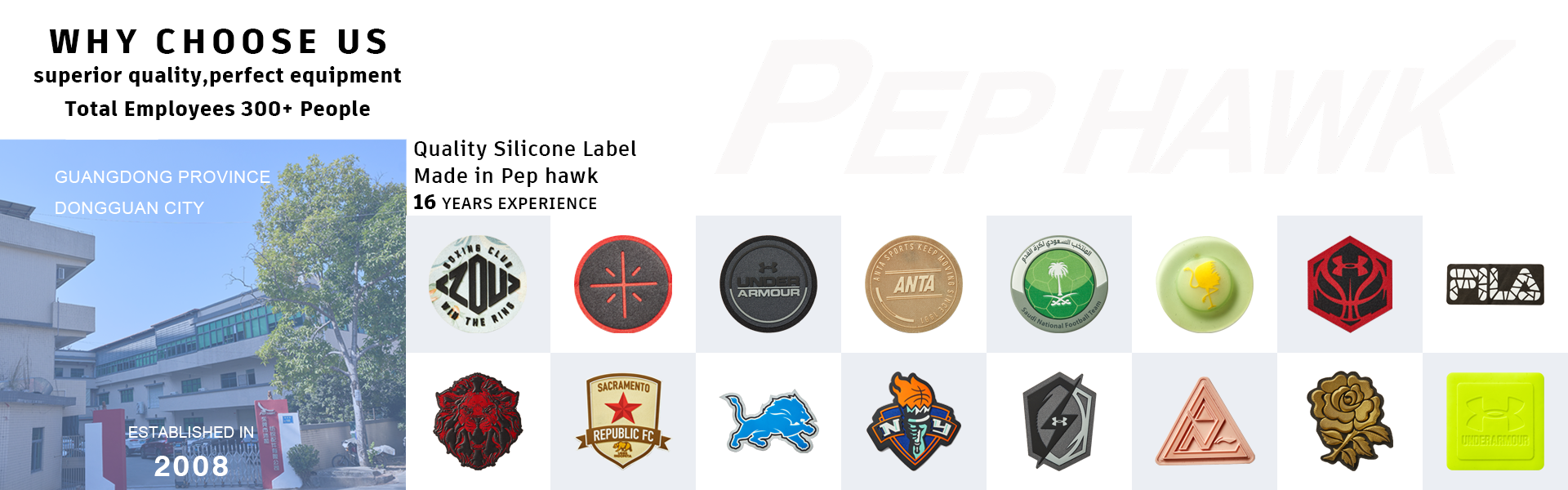
When tackling intricate design projects that demand precision and excellence, PEPHAWK stands as your trusted partner. With 16 years of industry expertise and our general manager’s 31-year legacy in silicone innovation, we specialize in transforming complex logo concepts into flawless realities. Our seasoned team combines technical mastery with creative problem-solving to deliver unmatched quality, ensuring your vision is executed with meticulous attention to detail. Partner with PEPHAWK—where unparalleled experience meets cutting-edge craftsmanship.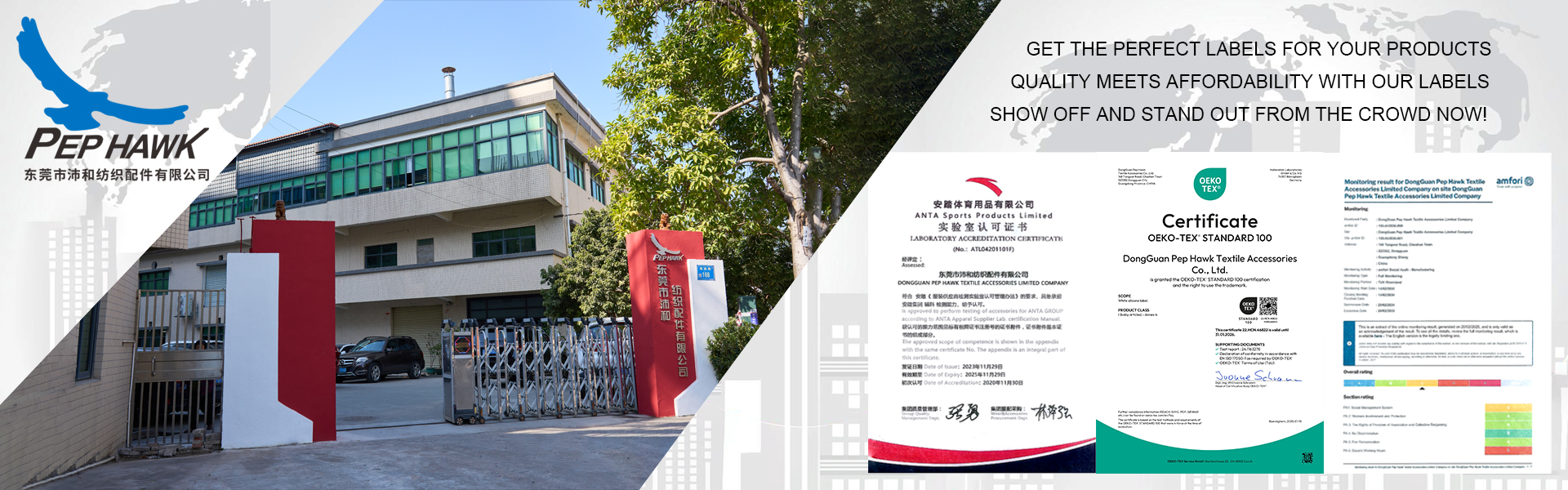
How to Sew Denim Patches on Jeans That Won’t Fray
How to Design Custom Faux Leather Patches That Boost Brand Recognition