

How to Create Fabric Labels for Handmade Items
2024-12-10
Stand out with our exquisite fabric labels for handmade items! Create a professional touch for your crafts and let your creativity shine through every piece.
As a handmade item creator, you know how important it is to build your brand and establish your products' quality. Fabric labels are an essential element that can help you achieve those goals. Properly designed and attached fabric labels add a professional touch to your products and provide important information to potential customers.
In this article, we will guide you through the process of creating amazing fabric labels for your handmade items. Our guide has five major chapters, and we will start with the purpose and benefits of using fabric labels.
The purpose of fabric labels is to provide important identifications, such as the name of the creator, country of origin, care instructions, and more. In short, they serve as a distinctive mark that sets your product apart from others in the market. They also add credibility to your products and help establish your brand.
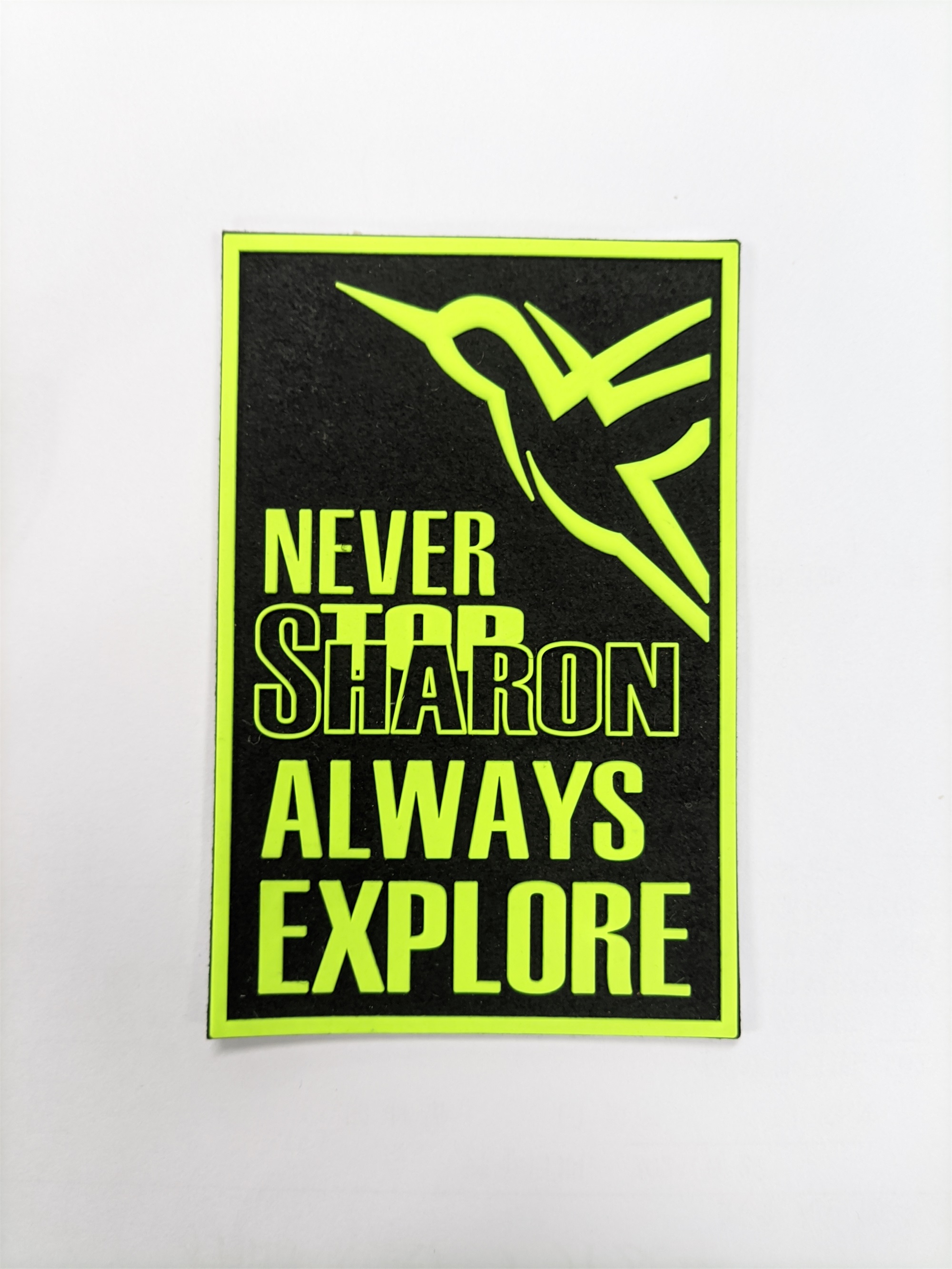
Choosing the Right Fabric for Your Labels
The first step to creating your labels is choosing the appropriate fabric. Consider what will work best with your printing method, as well as how your label will be attached to your product. The common fabrics used for labels are cotton, polyester, satin, nylon, or a blend of these materials. It is essential to choose a high-quality fabric that is both durable and washable to avoid shrinking or fading after several washes.
Designing Your Fabric Labels
Designing your fabric labels is your chance to get creative and establish a distinctive visual identity for your handmade items that sets you apart from other makers in the market. Think of your labels as an extension of your brand that communicates your unique style, mission, and values.
First, consider the size and shape of your label, which should align with your product and branding. Once you have determined the shape and size of your fabric label, choose a font that is easy to read and complements your brand identity. Selecting an appropriate color scheme that aligns with your brand's color palette is equally important.
To distinguish your handmade items from mass-produced items, you want to add visual elements that showcase the authenticity and craftsmanship of your creations. This can be a watermark or a graphic symbol that represents your specialty or profession. Your brand logo should also be included on your labels, along with any required information like care instructions, product name, and other essential identification.
In essence, your design should align with your product, your mission, your brand, and the values you wish to communicate to your customers. With a clear design plan in place, you are ready to move on to the next step: printing your fabric labels.
Printing Your Fabric Labels
Once you have your designs finalized, it's time to print your fabric labels. There are various printing technologies available, including inkjet, laser, and dye-sublimation printing. Each printing technology has its strengths and weaknesses in terms of the cost, material, and results it produces.
Inkjet printers are the most common among handmade item makers. This technology uses dye-based ink and can print on a wide range of fabrics and materials. They are also affordable, easy to use, and produce high-quality results.
Laser printers, on the other hand, use toner or pigment-based ink that is heat fused to the fabric. They are ideal for printing on synthetic fabrics that can withstand high heat printing, but their results are not as sharp or vibrant as an inkjet printer.
Dye sublimation printing is another option that transfers your design onto the fabric through heat. It uses a special type of ink that turns into a gas when heated and transfers onto the fabric. This method produces the highest quality prints, with vibrant colors, sharp edges, and excellent print resolution. However, it is more expensive and requires equipment that may be out of reach for most small-scale handmade item makers.
Once you have selected the appropriate printing technology, you should adjust your printer settings to match the fabric and label size. Before printing your final label run, test-print a few samples to inspect the color accuracy, print resolution, and durability. Once you are satisfied with your label quality, you can proceed to cut your labels according to the correct size and shape.
Attaching Your Fabric Labels
Your final step is attaching the fabric labels to your products. The process depends on the fabric and products you are attaching them to. Consider stitching, iron-on or adhesive backing, or tying labels with a string or ribbon. Make sure they are attached securely and follow any care instructions, if necessary.
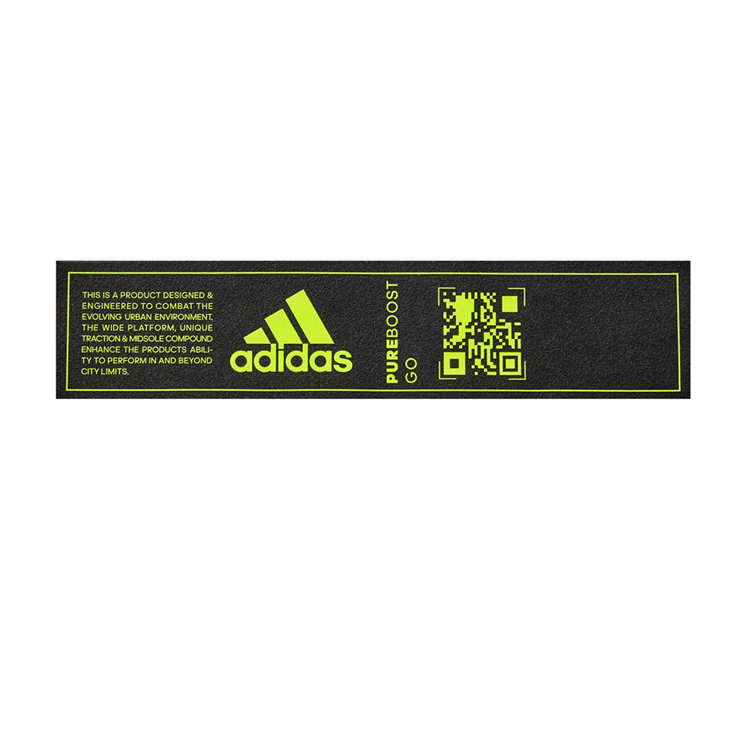
Conclusion
Creating custom fabric labels for your handmade items is an excellent way to establish your brand and provide valuable information to your customers. By following the above steps, you can create professional-looking labels that will set your products apart and create a positive impression on your customers. We hope you found this guide helpful and informative. Happy creating!
What is a sneaker bag private label
Leather Jacket Labels: A Fashion Statement




SEND MESSAGE