

Mastering the Art of Patches: From Fabric Selection to Advanced Techniques
Explore our premium fabric glue for patches, designed for strong adhesion and flexibility. Ideal for all fabric types, ensuring your projects stay intact.
Patches are more than just decorative embellishments—they’re tools for storytelling, branding, and personalization. Whether you're designing custom patches for uniforms, crafting unique apparel, or adding flair to accessories, understanding the nuances of patch application is essential for achieving professional results. From selecting the right patch type and fabric to mastering advanced techniques, this guide will equip you with the knowledge to elevate your patch projects. Let’s dive into everything you need to know about working with patches effectively.
Understanding Patches: The Foundation of Success
Before diving into the technical aspects of patch application, it’s crucial to understand the variety of patch types available and how they interact with different fabrics. Each patch type has its own strengths, making it suitable for specific applications, while fabric compatibility ensures durability and aesthetic appeal.
Types of Patches
- Embroidered Patches: These classic patches feature intricate stitching on a fabric backing, offering a textured, high-quality look. Ideal for uniforms, jackets, and promotional gear.
- Chenille Patches: Known for their soft, tufted texture, these patches are often used in academic settings, such as letterman jackets.
- PVC Patches: Made from durable rubber, PVC patches are waterproof and perfect for outdoor gear or tactical wear.
- Leather Patches: Adding a rugged, premium touch, leather patches are commonly seen on denim jackets and bags.
- Custom Patches: Tailored to your specific needs, custom patches allow for endless creativity, whether you’re commemorating achievements or expressing individuality.
Fabric Types and Considerations
The fabric you choose plays a significant role in the success of your patch application. Sturdy materials like cotton and denim are ideal for iron-on patches, as they can withstand heat without damage. Delicate fabrics like silk or chiffon require special care, often necessitating adhesives instead of heat-based methods. Always test a small area before applying patches to ensure compatibility.
Choosing the Right Adhesive: The Key to Longevity
Selecting the appropriate adhesive is critical for ensuring that your patches remain securely attached and visually appealing over time. Different glues cater to specific needs, so understanding their properties will help you make an informed decision.
Evaluating Adhesive Options
- Beacon's Fabri-Tac Permanent Adhesive: Offers a strong bond for non-stretchy fabrics like denim and canvas.
- Tear Mender Instant Fabric and Leather Adhesive: A fast-drying option for quick fixes.
- Gorilla Waterproof Fabric Glue: Perfect for items exposed to moisture, ensuring long-lasting durability.
Specialized Fabric Glues and Their Uses
For delicate fabrics, consider Aleene's Fabric Fusion , which provides a flexible bond. Stretchy materials benefit from flexible adhesives like Onarieer Fabric Glue , which prevents cracking during movement. For heavier textiles, Dritz 2099 Fabric Glue delivers exceptional strength.
Preparation for Patch Application: Setting the Stage for Success
Proper preparation is the foundation of a strong and lasting bond. Skipping this step can lead to poor adhesion, peeling, or uneven placement.
Surface Preparation and Cleaning
Begin by cleaning the fabric thoroughly with mild detergent to remove dirt, oil, or grease. Allow it to dry completely before proceeding. Iron out any wrinkles to create a smooth surface for precise positioning.
Positioning Your Patches
Use a ruler or measuring tape to determine the exact placement of your patch. Secure it temporarily with pins or clips to prevent shifting during application. Double-check alignment to ensure a polished final result.
Attaching Patches Without Sewing: Quick and Effective Methods
Not everyone has access to a sewing machine, but that doesn’t mean you can’t achieve professional-looking results. Here are two popular alternatives:
Iron-On Patch Application
- Position the patch on the desired area of the fabric.
- Cover it with a thin cloth to protect both the patch and fabric from direct heat.
- Set your iron to the wool setting (no steam) and press firmly for 10–15 seconds.
- Allow the fabric to cool completely before handling.
Gluing Techniques for a Durable Bond
- Apply fabric glue evenly to the back of the patch.
- Press it firmly onto the fabric, eliminating air bubbles.
- Allow the glue to dry according to the manufacturer’s instructions.
Tools and Accessories: Enhancing Precision and Versatility
Having the right tools on hand can make a world of difference when attaching patches.
Using Glue Guns and Other Applicators
Low-temperature glue guns are ideal for delicate fabrics, while high-temperature options work well for larger patches. Keep spare glue sticks nearby for uninterrupted workflow.
Alternative Attachment Methods
Velcro offers a removable solution, perfect for uniforms or items requiring frequent washing. Products like Badge Magic provide no-sew adhesive options for durable attachment.
Post-Application Care and Tips: Ensuring Longevity
Once your patches are applied, proper care is essential to maintain their appearance and adhesion.
Curing Time and Conditions
Allow at least 24 hours for the adhesive to cure fully. Keep the fabric flat in a well-ventilated area, avoiding extreme temperatures. Refrain from wearing or washing the garment during this period.
Maintaining Patches on Fabric
Turn garments inside out before washing and use a gentle cycle with cold water. Air drying is preferable to machine drying, as heat can weaken the adhesive. If a patch begins to lift, apply a small amount of fabric glue to the edges and blot stains gently with a soft cloth.
Advanced Techniques: Elevating Your Patchwork Projects
For those looking to take their patchwork skills to the next level, here are some advanced techniques to explore:
Complex Patchwork Designs
Combine multiple patches in creative ways to tell a story or create a cohesive theme. Experiment with layering and overlapping for added depth and dimension.
Creating Custom Patches
Work with designers to create bespoke patches tailored to your vision. Incorporate unique elements like metallic threads, glow-in-the-dark ink, or 3D embroidery for a standout look.
Innovative Applications
Think beyond clothing—patches can be applied to furniture, shoes, hats, and even home decor items. Use them to personalize backpacks, tote bags, or even laptop cases.
If you're facing the challenge of completing complex design drafts with impeccable quality, look no further than PEPHAWK. Our 16 years of experience and our general manager's 31 years of silicone industry involvement make us the ideal choice to solve your difficult and complicated logo design problems. Choose the expertise of PEPHAWK and feel confident in the flawless results that we deliver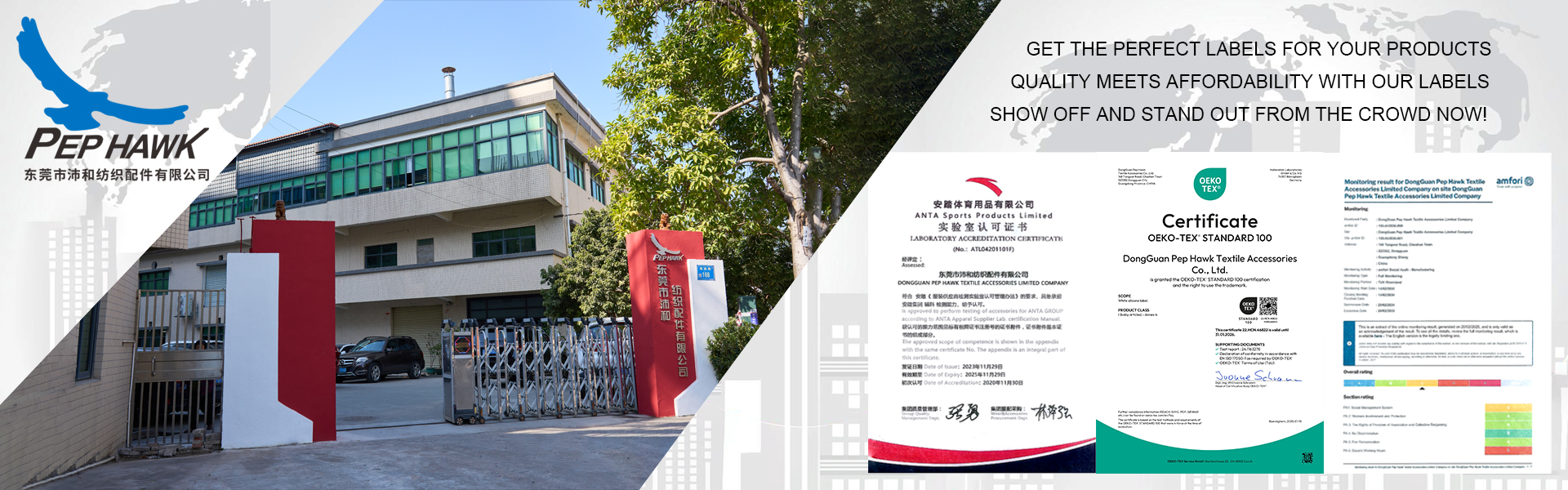
Velcro Patches: The Solution for Versatility and Convenience
The Art of Mending: Breathing New Life into Your Cherished Knits



