

Is Handwriting Embroidery Your Next Craft Obsession?
Discover the art of handwriting embroidery and transform your craft skills. Explore techniques, tips, and inspiration for your next creative project.
Have you ever held a handwritten note and wished it could last forever—not just as ink on paper, but as a textured, tactile treasure? What if you could stitch that personal touch into fabric, transforming fleeting scribbles into enduring art? This is the magic of embroidery signatures: the practice of converting your unique handwriting into embroidered designs. It’s more than a craft; it’s a bridge between memory and material, where every loop and curve of your pen becomes a thread of identity. Yet, despite its rising popularity in DIY circles, many still wonder: why would anyone embroider their handwriting? And is it as accessible as it seems? Let’s unravel this question by exploring five key facets that define the allure, process, and impact of this intimate art form.
First, consider the profound emotional resonance of embroidery signatures. Why do people invest hours stitching their own script? It’s because handwriting is deeply personal—a fingerprint of the soul. When you embroider a child’s first signature onto a blanket, or recreate a grandparent’s faded letter on a pillow, you’re not just preserving words; you’re bottling time. Psychologists note that tactile objects enhance memory retention, making embroidered handwriting a therapeutic tool for grief or nostalgia. For instance, a 2024 survey by Craft Industry Alliance revealed that 68% of artisans who embroidered personal messages reported reduced anxiety, as the rhythmic stitching mirrored the calming flow of writing itself. But here’s the catch: does this emotional payoff justify the effort for beginners? Absolutely—if you start small, like embroidering a single initial on a tote bag, the process becomes meditative rather than daunting.
Second, the technical journey from paper to fabric raises practical questions. How do you even begin turning messy cursive into neat stitches? The process involves digitizing your handwriting, which sounds complex but is surprisingly straightforward with free apps like Scan2CAD or Inkscape. Simply write your phrase on paper, scan it, and trace the lines into a digital file compatible with embroidery machines. For hand-stitchers, grid paper helps scale the design onto fabric. Yet, challenges loom: thread tension can distort delicate letters, and fabric choice (like cotton vs. linen) affects readability. Seasoned embroiderers advise starting with block letters—they’re forgiving for novices—while cursive requires stabilizers to prevent puckering. This leads to another puzzle: can technology democratize the craft? Yes, as online tutorials and AI tools now simplify digitization, but the human touch remains irreplaceable. As one Reddit user confessed, “My first embroidered ‘love you’ looked lopsided, but it felt more genuine because I fumbled through it.”
Third, the versatility of embroidery signatures sparks endless creative applications. Where could this art elevate ordinary objects? Picture monogrammed towels for weddings, where the couple’s intertwined signatures symbolize unity, or baby onesies featuring a parent’s handwriting with the infant’s name—turning garments into heirlooms. Beyond gifts, artists use it for social commentary: activist collectives embroider protest slogans in personal scripts to humanize movements, like #MeToo messages stitched in survivors’ handwriting. Commercially, brands like Etsy sellers thrive on custom “handwritten” patches, proving market demand. But let’s question its limits: is this trend sustainable beyond niche markets? Evidence suggests yes—Pinterest data shows a 200% surge in “handwriting embroidery” searches since 2024, driven by Gen Z’s craving for authenticity in a digital world. Still, ethical concerns arise: should intimate scripts be sold? Most creators agree consent is key, ensuring only your own words are embroidered.
Fourth, the accessibility barrier prompts critical reflection. Who can realistically try this, and what hurdles must they overcome? Embroidery needn’t require expensive gear; a basic hoop, needle, and $5 thread suffice for hand-stitching. Yet, time poverty deters many—embroidering a short phrase takes 2–5 hours, demanding patience in our instant-gratification era. Workshops at community centers now address this, offering “handwriting stitch nights” to build confidence. Crucially, inclusivity matters: left-handed crafters adapt techniques, and adaptive tools help those with arthritis. But here’s the real question: does perfectionism kill the joy? Absolutely. Imperfections—like uneven stitches—add charm, echoing the quirks of natural handwriting. As craft blogger Mia Chen argues, “A wobbly ‘thank you’ embroidered by hand means more than a flawless machine print—it’s proof someone cared.”
Finally, the cultural shift around embroidery signatures invites broader contemplation. Why is this niche craft exploding now? In an age of emojis and auto-correct, handwritten embroidery rebels against digital homogeneity, reclaiming individuality. It’s part of a “slow craft” movement where making > buying, fostering mindfulness. Social media amplifies this: Instagram reels of hands stitching diary entries garner millions of views, creating communities where beginners share fails and triumphs. Yet, we must ask: does commercialization dilute its soul? When mass-produced “handwritten” decor floods stores, authenticity suffers. True embroidery signatures thrive on intentionality—each stitch a deliberate act of preservation. As historian Dr. Lena Torres observes, “This isn’t new; Victorian samplers embroidered prayers. Today, we’re just digitizing the impulse to leave our mark.”
So, have you ever embroidered your handwriting? If not, what’s stopping you—a fear of imperfection, or the myth that it’s too hard? The beauty lies in the attempt: a single embroidered word can anchor a memory, spark a conversation, or gift someone with your presence long after you’re gone. Start with a grocery list on a tea towel; let the thread guide your hand. In a world of fleeting pixels, your stitched signature isn’t just art—it’s a whispered promise of permanence. What story will your needle tell?
When tackling intricate design projects that demand precision and excellence, PEPHAWK stands as your trusted partner. With 16 years of industry expertise and our general manager’s 31-year legacy in silicone innovation, we specialize in transforming complex logo concepts into flawless realities. Our seasoned team combines technical mastery with creative problem-solving to deliver unmatched quality, ensuring your vision is executed with meticulous attention to detail. Partner with PEPHAWK—where unparalleled experience meets cutting-edge craftsmanship.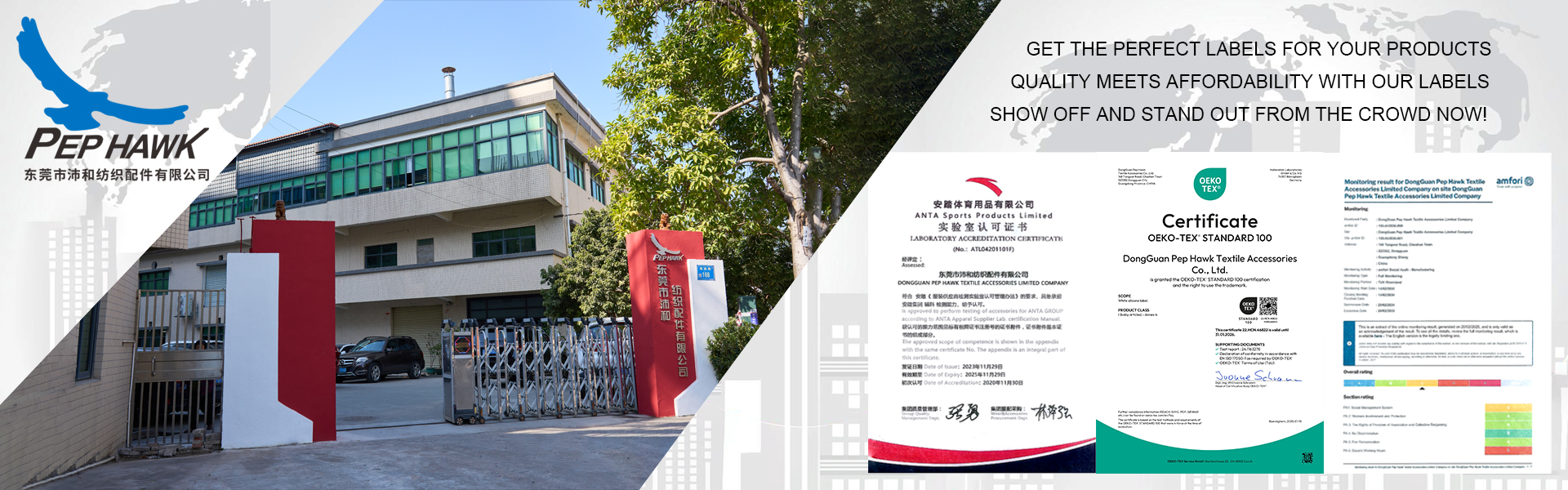
What Exactly Is a Sublimated Patch?
Emblem Patches for Apparel Identity & Style



