Sew-On Embroidered Patches for Apparel: Pattern Design Categories & Practical Examples
2026-01-06
Explore diverse sew-on embroidered patch patterns for apparel (text, logo, figurative & more) with practical examples.
Table of Contents
I. Introduction
Sew-on embroidered patches have long been a versatile and timeless accessory in the fashion industry, serving as more than just decorative elements—they are powerful tools for personalization, brand storytelling, and style expression. Unlike iron-on alternatives, sew-on patches offer superior durability, making them ideal for garments that undergo frequent washing or heavy use, such as workwear, denim jackets, and outdoor apparel. A sew-on patch is defined as a decorative piece of fabric adorned with embroidered designs, attached to clothing via hand or machine stitching along its edges. The core value of these patches lies in their ability to transform ordinary garments into unique pieces: they allow individuals to showcase their personalities, help brands reinforce their identity, and enhance the aesthetic appeal of various clothing styles. The success of a sew-on patch, however, hinges largely on its pattern design, as the right pattern can seamlessly integrate with the garment’s style, fabric, and intended use. This article explores the major categories of sew-on embroidered patch patterns for apparel, accompanied by practical examples that illustrate their application and design logic.
II. Major Pattern Design Categories with Specific Examples
A. Text-Based Patterns
Text-based patterns are among the most popular and straightforward designs for sew-on embroidered patches, as they convey direct messages or identities through letters, words, or phrases. The effectiveness of these patterns lies in their readability and alignment with the garment’s purpose—whether it’s personalizing a piece of clothing or promoting a brand or slogan.
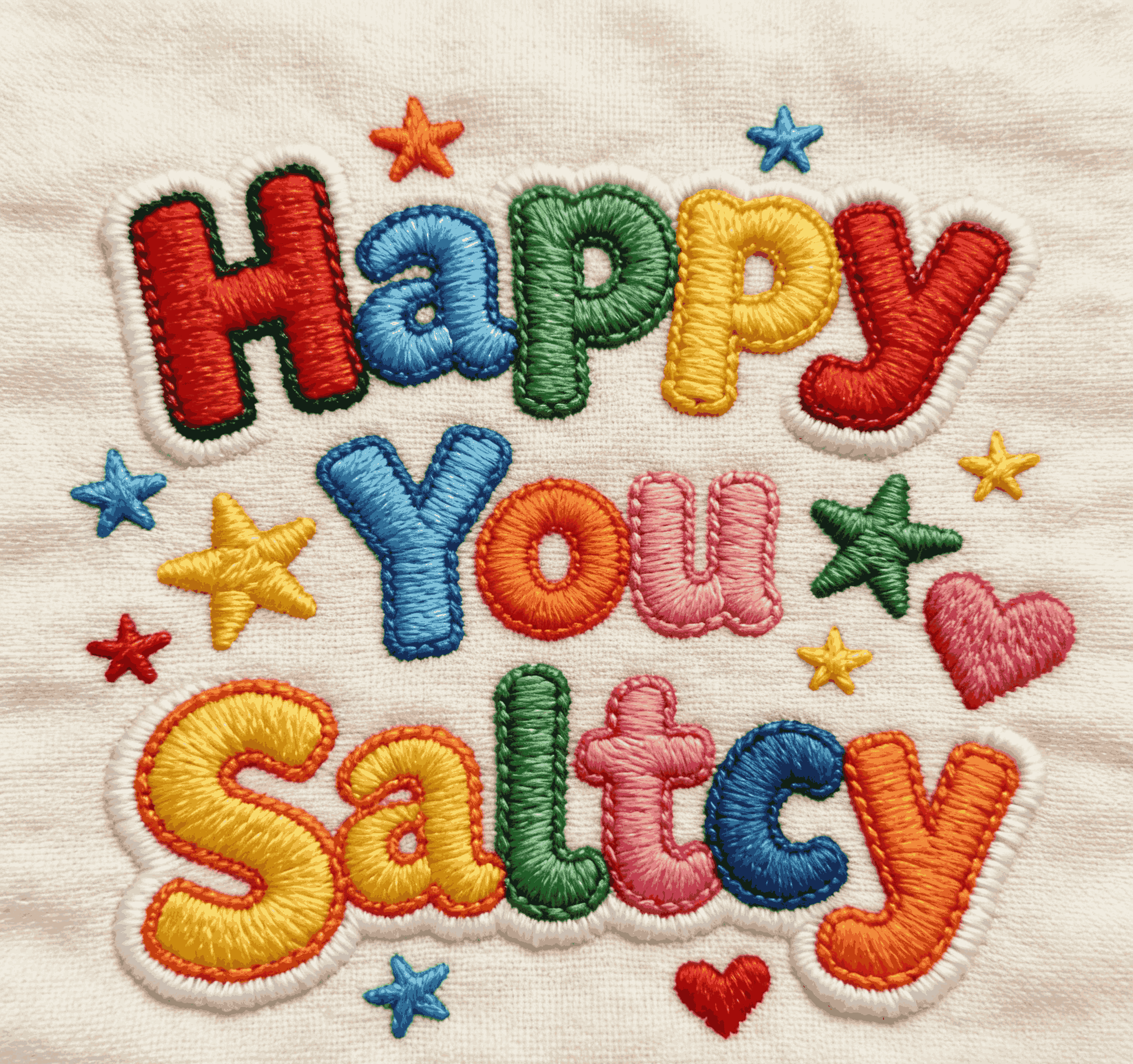
1. Monograms & Letter Combinations: Monograms, typically consisting of 1-3 initials, are a classic choice for adding a touch of elegance and personalization to apparel. The design of monograms often focuses on font selection, with serif fonts (such as Times New Roman) exuding formality and sans-serif fonts (like Arial) offering a more modern look. For example, 3-letter name initials (e.g., “JDL”) are commonly embroidered on the cuffs of dress shirts or the breast pockets of blazers, serving as a subtle personal mark without overwhelming the garment’s formal style. Brand acronyms are another common application: companies like “PEPHAWK,” a hypothetical textile accessory brand, might use their 6-letter acronym as a sew-on patch on the chest of workwear uniforms. This not only reinforces brand identity but also creates a cohesive look for employees, while the durable sew-on design ensures the patch remains intact through daily wear and industrial washing.
2. Slogans & Phrases: Slogan patches are ideal for expressing attitudes, beliefs, or brand values, and they are particularly popular in casual and streetwear. The length and tone of the slogan are key design considerations—short, impactful phrases tend to be more visually effective than long sentences. Motivational slogans like “Stay Brave” are often embroidered on the backs of denim jackets, where they can be easily seen and serve as a source of inspiration. The embroidery may use bold, contrasting threads (e.g., white thread on a dark blue denim jacket) to enhance readability. For brand promotion, industry-related quotes such as “Quality Textile Accessories” can be used as sew-on patches on overalls worn by brand representatives at trade shows. The patch’s design might incorporate small decorative elements, such as a tiny thread spool or needle, to tie the slogan to the textile industry, making the message more relevant and memorable.
B. Logo & Brand Identity Patterns
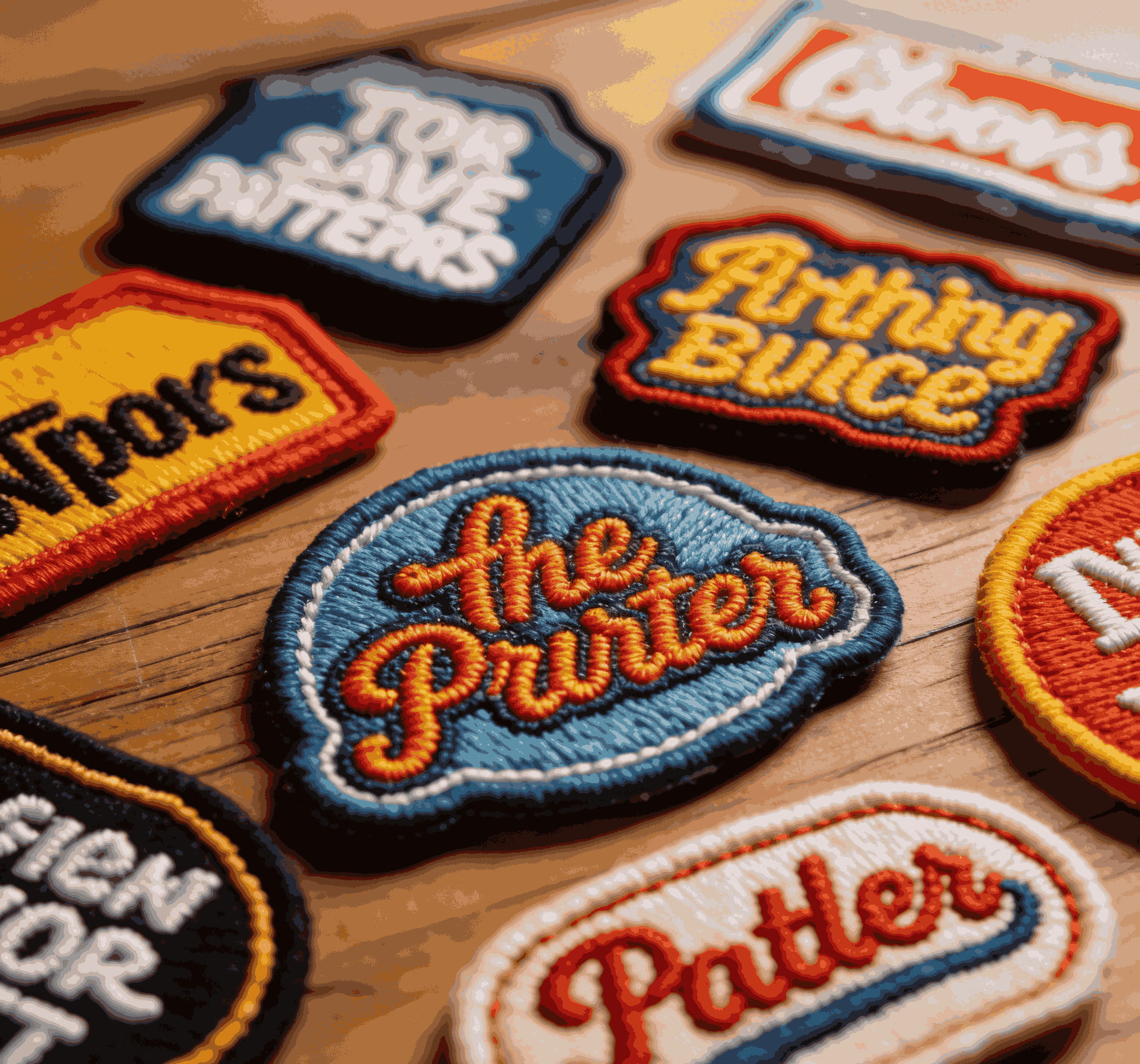
Logo and brand identity patches are essential for businesses, organizations, and teams looking to establish a consistent visual presence. These patches are designed to replicate existing logos or emblems, with careful attention to color accuracy and detail to ensure brand recognition. Sew-on designs are preferred for these applications due to their durability, making them suitable for uniforms, team apparel, and promotional garments.
1. Corporate Brand Logos: Corporate logos vary widely in style, from minimalist geometric designs to detailed mascots, and the embroidery process must adapt to these differences. For casual wear brands with minimalist geometric logos—such as a simple circle with a horizontal line through its center—sew-on patches can be created using clean, crisp stitches to maintain the logo’s sleek appearance. These patches are often placed on the chest of t-shirts or the sleeves of hoodies, where they serve as a subtle brand marker. For brands with detailed mascot logos, such as a sports equipment company with a cartoon fox mascot, the embroidery must capture fine details like the fox’s facial features and posture. These patches are commonly used on team uniforms, as they foster a sense of unity among team members and make the brand easily recognizable to fans.
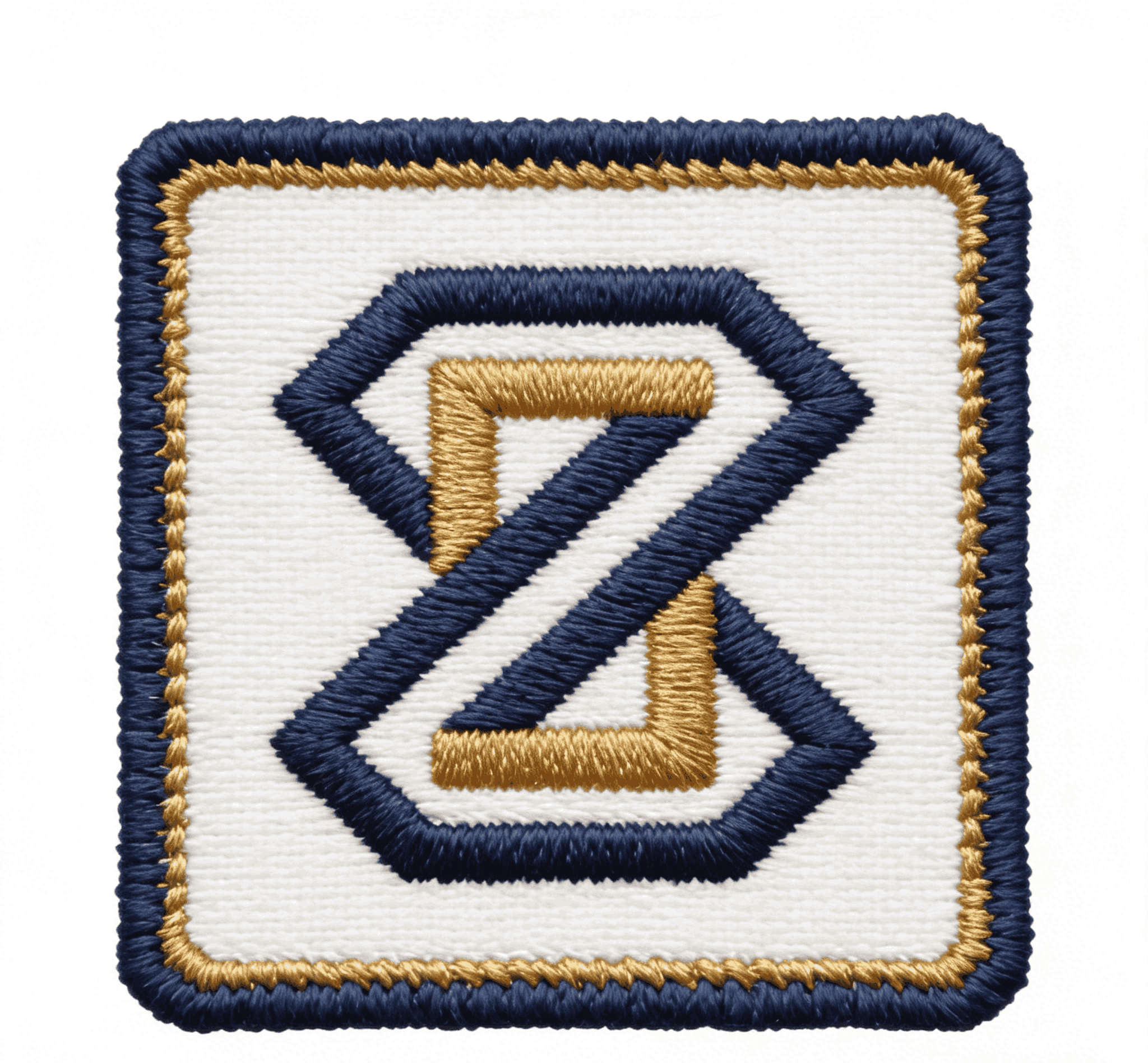
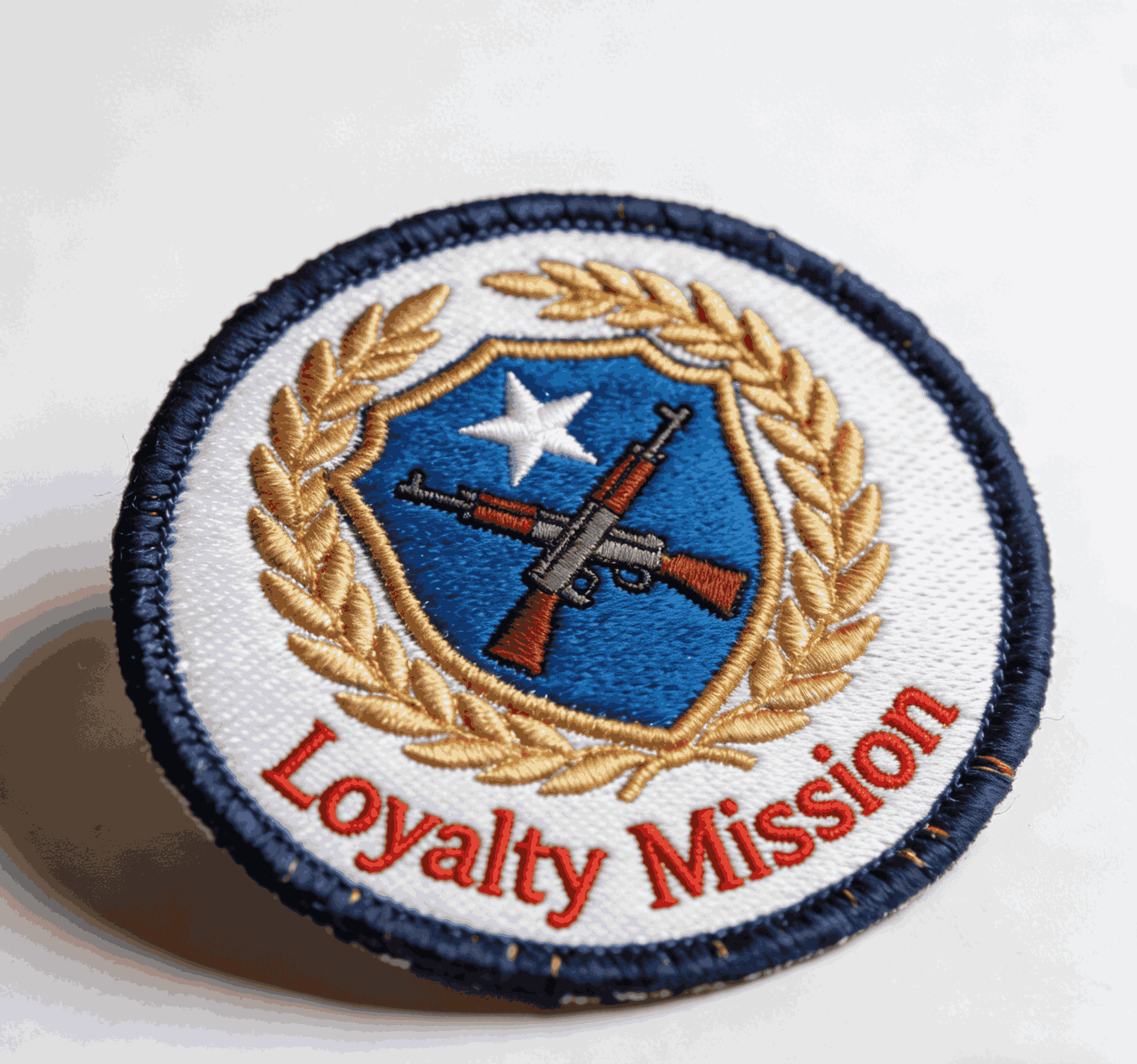
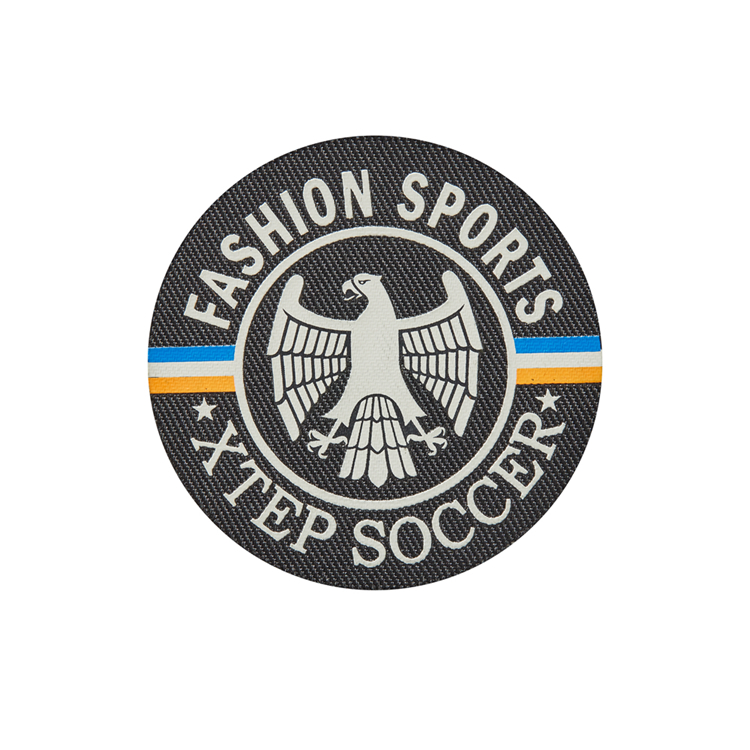
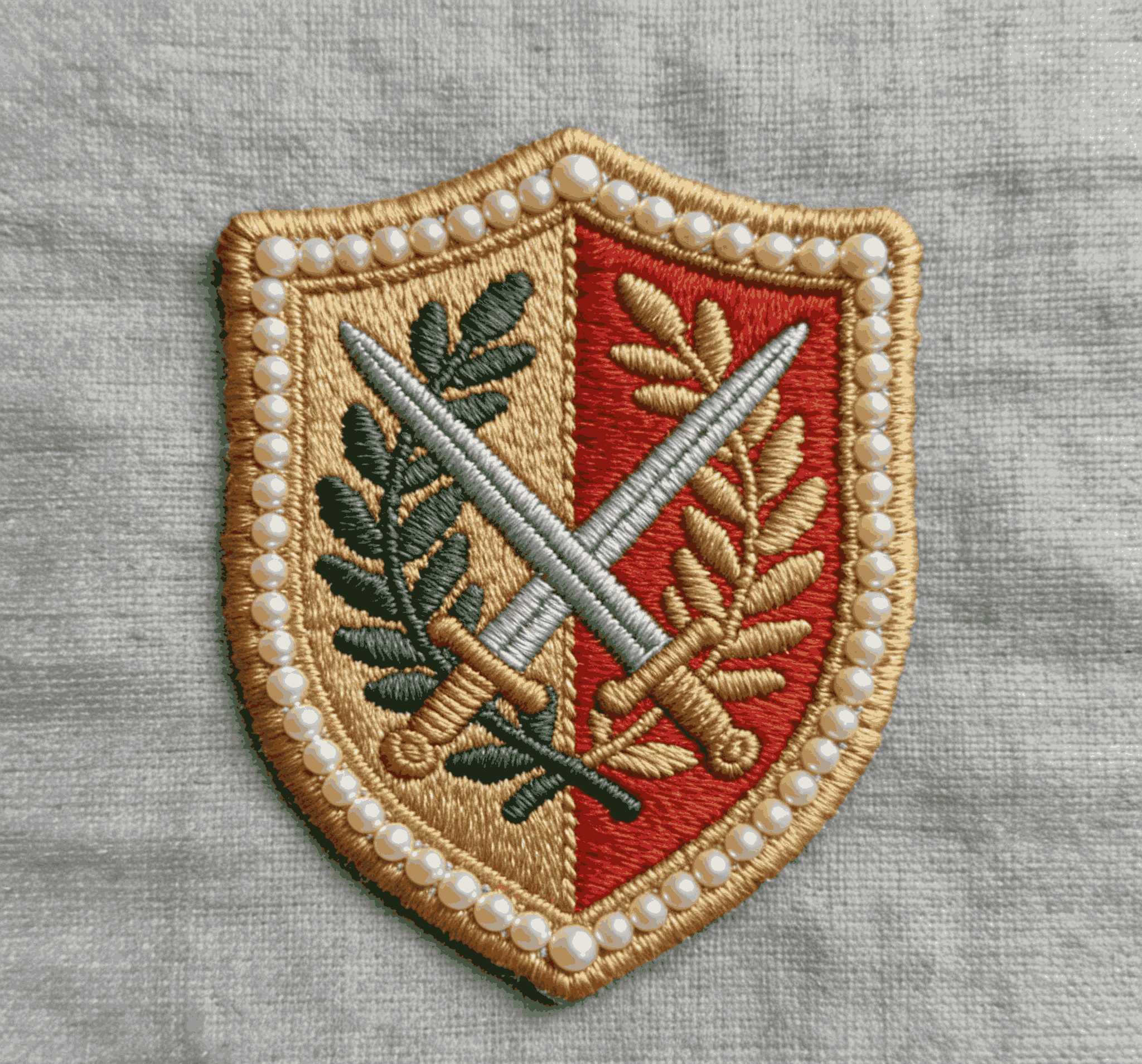
2. Organization & Team Emblems: Emblems for sports teams, clubs, and associations are often more intricate than corporate logos, incorporating symbolic elements that represent the group’s mission or identity. Sports team crests, such as football (soccer) club badges, are a prime example—these emblems typically include the team’s name, founding year, and a symbolic animal or object (e.g., a lion for strength, a shield for protection). Sew-on versions of these crests are attached to the sleeves of jerseys, as this placement is visible during games and does not interfere with the jersey’s fit or performance. For non-sports organizations, such as hiking associations, emblems may feature mountain peaks, pine trees, or compasses. These patches are sewn onto outdoor jackets, allowing members to display their affiliation while enjoying outdoor activities. The embroidery for these patches often uses weather-resistant threads to ensure the design remains vibrant even in harsh outdoor conditions.
C. Figurative Patterns (Realistic & Stylized)
Figurative patterns depict real or imaginary objects, including animals, plants, and characters. These designs are highly versatile, as they can be styled to be cute, sophisticated, vintage, or modern, making them suitable for a wide range of apparel types—from kids’ clothing to high-end fashion. The key to effective figurative embroidery is balancing detail with readability; overly complex designs may lose their impact when reduced to patch size.
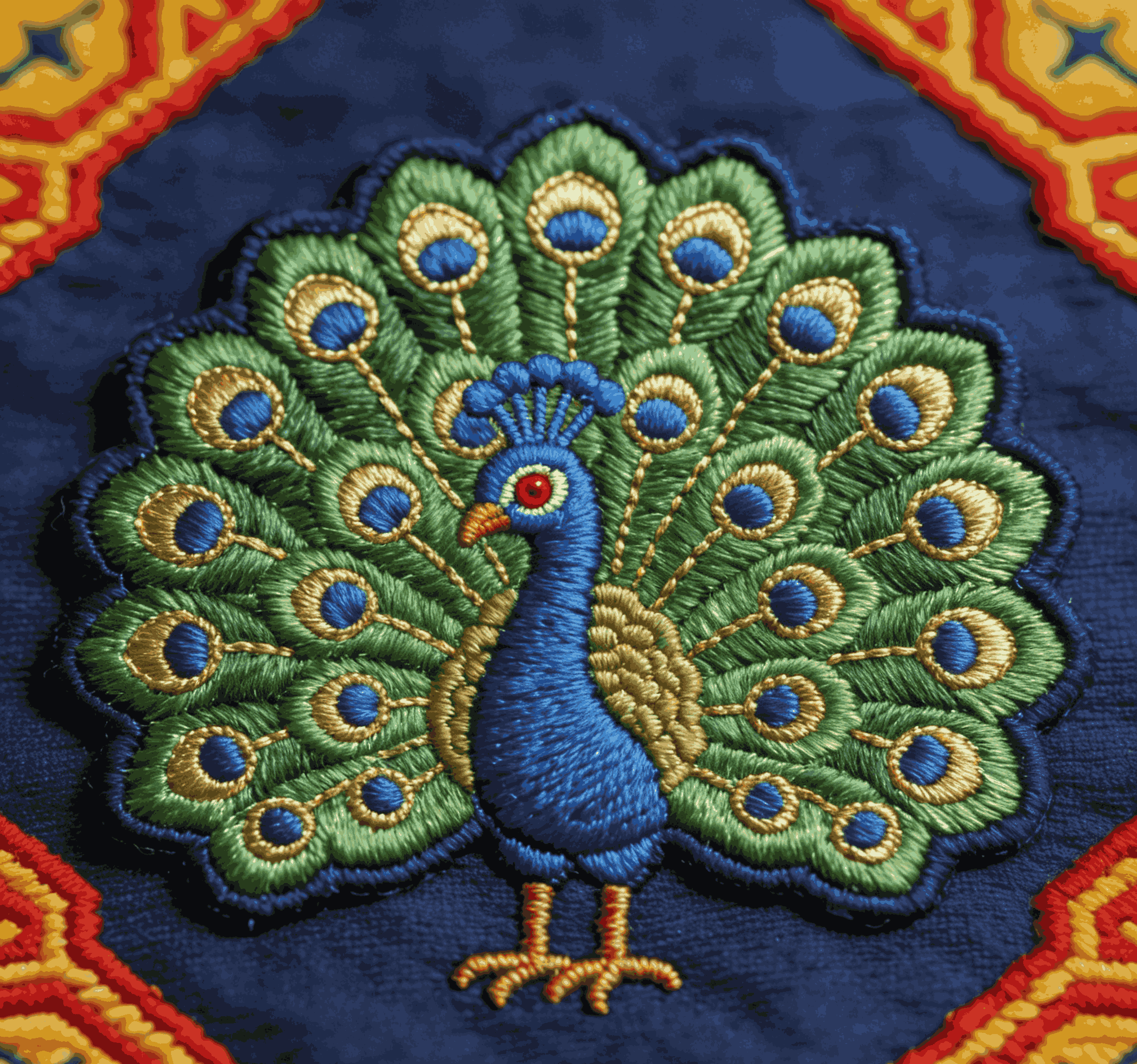
1. Animal Motifs: Animal-themed patches are popular across all age groups, with designs ranging from cute cartoons to realistic depictions. For kids’ hoodies, cute cartoon cats or dogs are ideal—these designs use bright, cheerful colors (e.g., pink, yellow, light blue) and simplified features (large eyes, rounded shapes) to appeal to children. The embroidery may include textured stitches to mimic fur, adding a tactile element that kids enjoy. For men’s leather jackets, more sophisticated animal motifs are preferred, such as realistic eagle or lion patterns. These designs use darker, more muted colors (e.g., brown, black, gold) and detailed stitching to convey strength and masculinity. The eagle’s feathers or the lion’s mane can be rendered with layered stitches, creating a three-dimensional effect that enhances the patch’s visual impact.
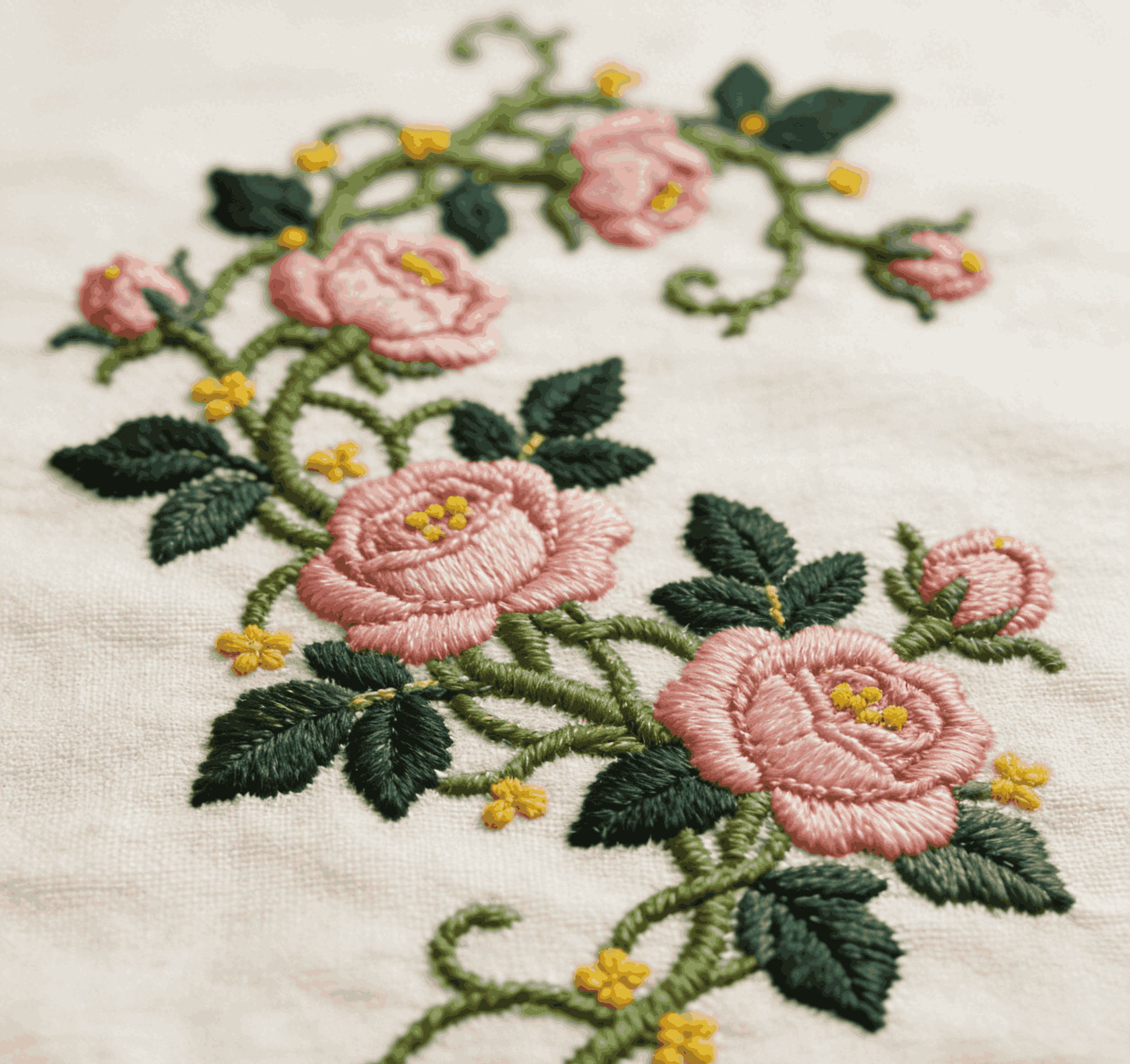
2. Plant & Nature Motifs: Plant and nature-themed patches are a staple in women’s fashion and outdoor apparel. For women’s blouses, floral bouquets featuring roses, sunflowers, or daisies are popular choices. These designs use soft, delicate colors (e.g., pastels, cream) and fine stitches to replicate the beauty of flowers. The embroidery may incorporate metallic threads for added shimmer, making the patches suitable for dressier blouses. For outdoor functional clothing, such as hiking jackets or camping gear, plant and nature motifs like pine trees, mountains, or leaves are more appropriate. These designs use earthy tones (e.g., green, brown, olive) and durable stitches to withstand the elements. Pine tree patches, for example, can be sewn onto the chest of a hiking jacket, serving as a nod to the wearer’s love of nature while complementing the garment’s outdoor aesthetic.
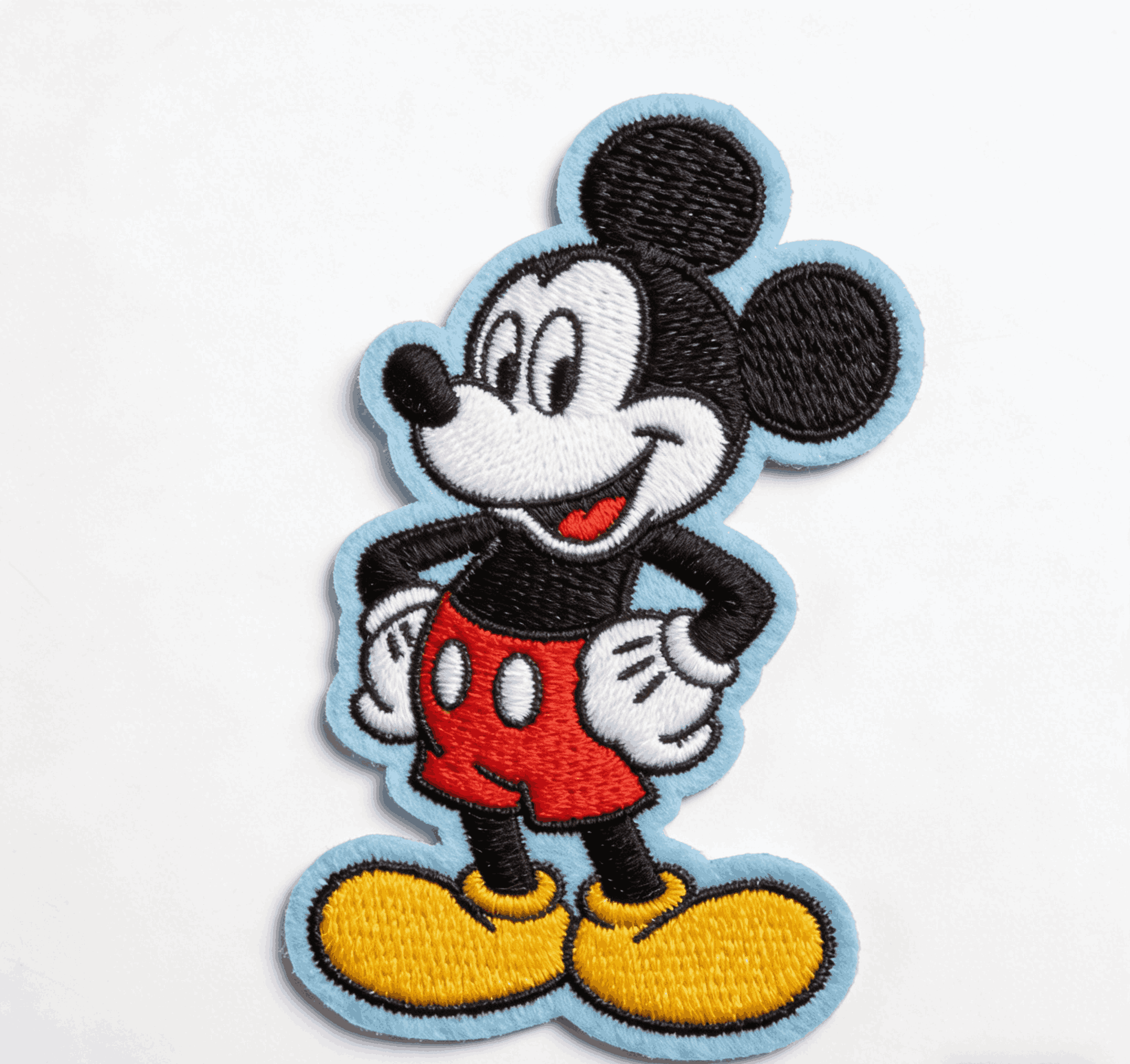
3. Character Motifs: Character-themed patches draw inspiration from cartoons, movies, history, or pop culture, making them highly collectible and expressive. Classic cartoon characters like Mickey Mouse or Hello Kitty are popular choices for casual streetwear, such as t-shirts, jeans, and backpacks. These patches must be officially licensed to avoid copyright issues, and the embroidery must accurately replicate the character’s iconic features (e.g., Mickey’s round ears, Hello Kitty’s bow). For vintage-style shirts, historical figure silhouettes—such as Abraham Lincoln, Frida Kahlo, or vintage movie stars—are ideal. These designs use monochromatic colors (e.g., black, white, sepia) and simple stitches to create a retro look. A silhouette of Frida Kahlo, for example, can be sewn onto a linen shirt, adding a bohemian, vintage vibe to the garment.
D. Abstract & Geometric Patterns
Abstract and geometric patterns are characterized by their lack of representational form, focusing instead on shapes, colors, and lines. These designs are popular in modern and avant-garde fashion, as they offer a contemporary, minimalist aesthetic that complements clean-lined garments. They are also versatile, as they can be scaled up or down to fit different garment parts.
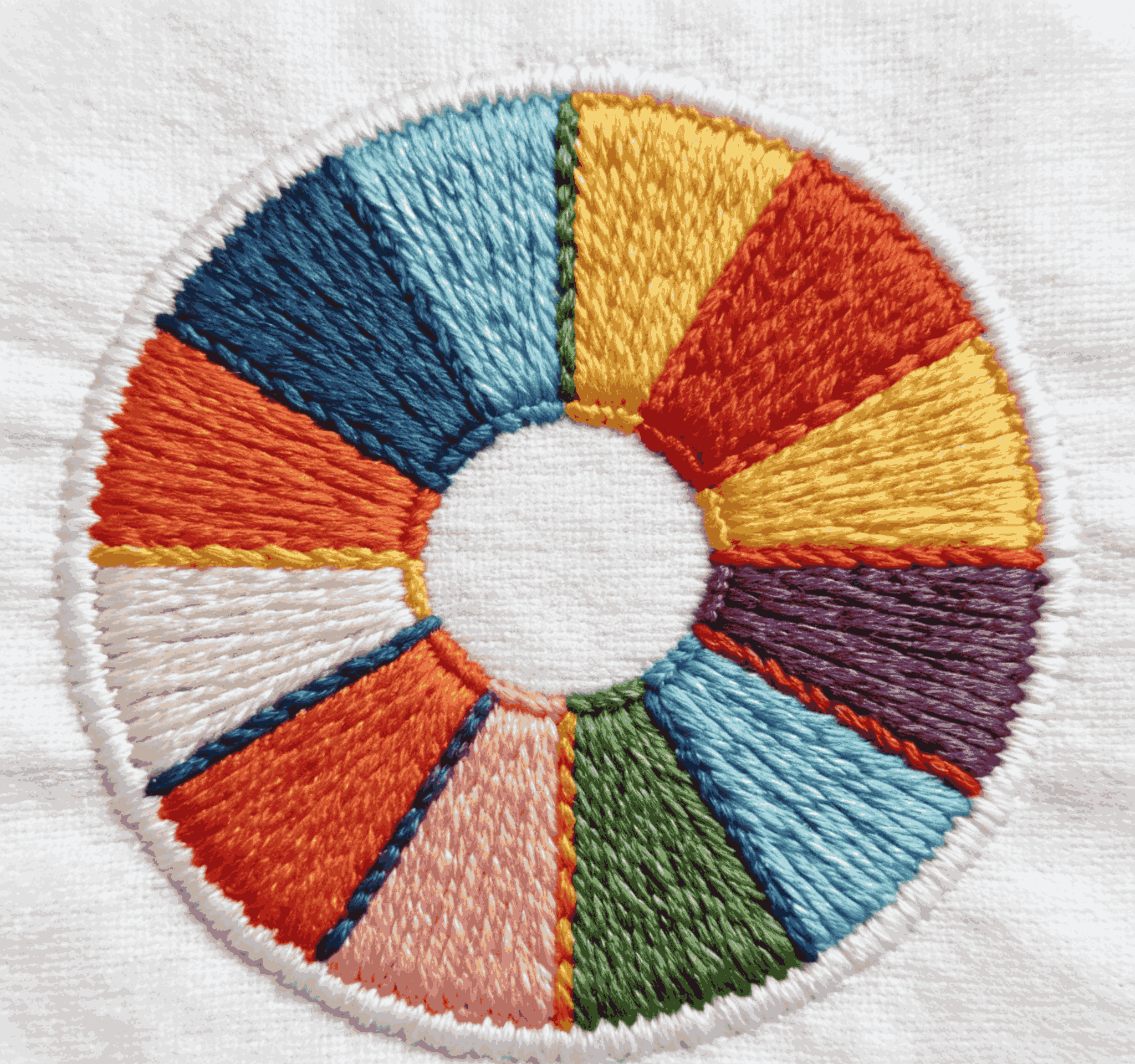
1. Basic Geometric Shapes: Basic geometric shapes—such as stripes, checkers, circles, squares, and polygons—are simple yet effective for sew-on patches. Striped and checkered patterns are classic choices for polo shirt collars or cuffs, adding a subtle pop of pattern without distracting from the garment’s overall design. For example, a small checkered patch in navy and white can be sewn onto the collar of a white polo shirt, enhancing its preppy style. Polygon and circle combinations are more modern, making them suitable for streetwear garments like hoodies or joggers. These designs use bold, contrasting colors (e.g., red and black, neon green and gray) and overlapping shapes to create a dynamic, eye-catching effect.
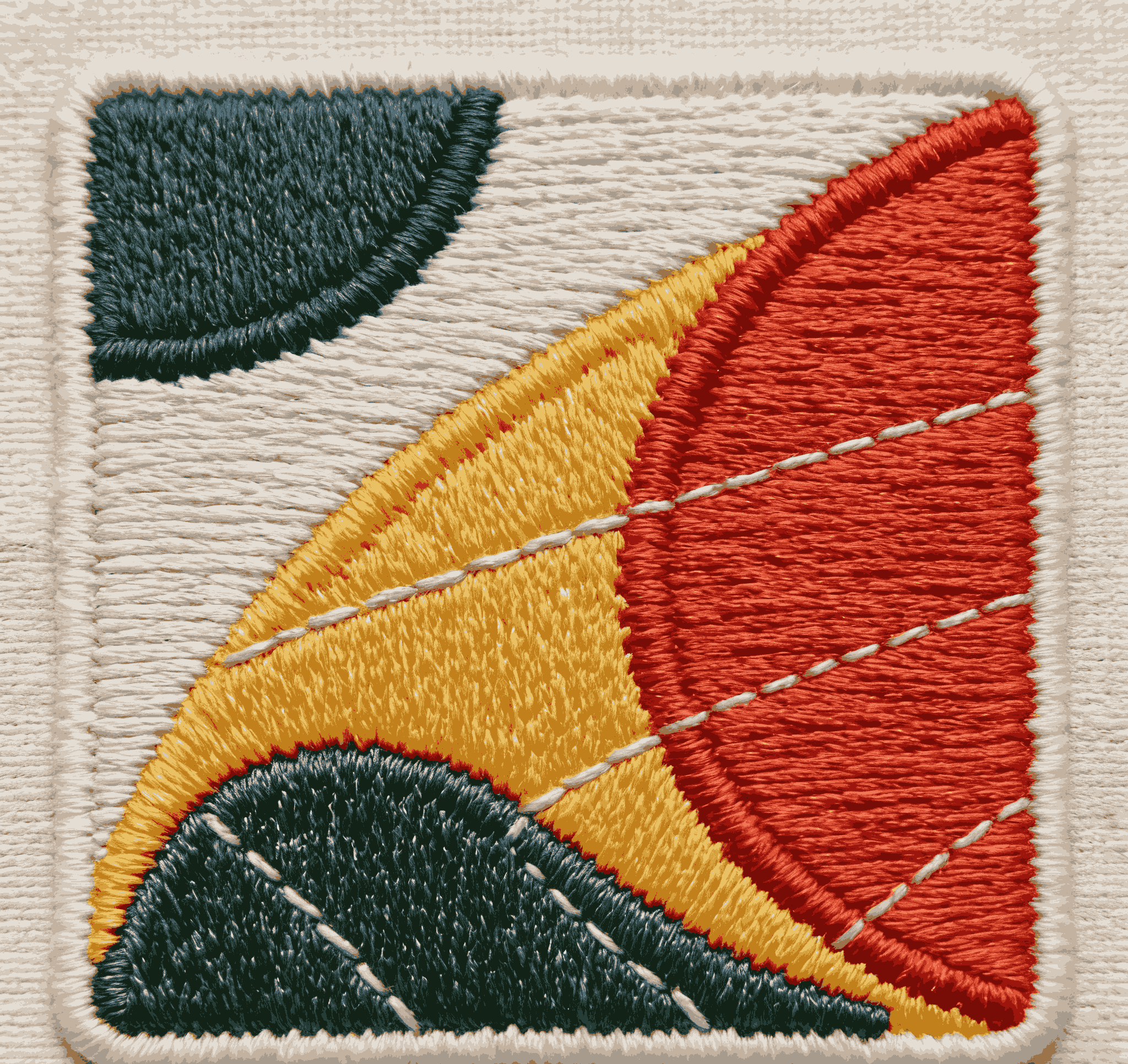
2. Abstract Art Patterns: Abstract art patches draw inspiration from modern art movements like cubism, abstract expressionism, or minimalism. These designs are often more experimental, using color blocks, brushstroke-like lines, or gradient effects. For avant-garde fashion pieces, such as high-fashion dresses or art installations, color-blocked abstract lines are ideal. These patches use bold, unconventional color combinations (e.g., purple and orange, teal and magenta) and irregular lines to create a striking visual impact. Gradient embroidery patterns are popular for women’s dresses, as they add a soft, ethereal touch. These patches use multiple shades of the same color (e.g., light pink to deep magenta) to create a smooth gradient effect, with the embroidery stitches blending seamlessly to mimic the look of watercolor paint.
E. Thematic Patterns
Thematic patterns are designed around a specific theme or occasion, making them perfect for seasonal apparel, event-specific clothing, or niche interests. These patterns tap into cultural or personal interests, allowing wearers to express their affiliations or celebrate special occasions.
1. Holiday & Festival Themes: Holiday-themed patches are highly seasonal, with designs tailored to specific festivals. For winter coats and sweaters, snowflake and reindeer patterns are popular choices for Christmas and winter holidays. These designs use white, silver, and blue threads to mimic the look of snow, with intricate stitching to create detailed snowflake patterns. Reindeer patches may include festive elements like Santa hats or jingle bells, adding a playful touch to winter apparel. For Halloween-themed hoodies and t-shirts, pumpkin and ghost patterns are iconic. These designs use orange, black, and purple threads, with exaggerated features (e.g., grinning pumpkins, floating ghosts) to create a spooky yet fun aesthetic.

2. Outdoor & Adventure Themes: Outdoor and adventure-themed patches cater to enthusiasts of hiking, camping, surfing, and other outdoor activities. Compass and tent patterns are ideal for camping jackets and backpacks, symbolizing exploration and adventure. These designs use earthy tones (e.g., brown, green, khaki) and detailed stitching to replicate the look of outdoor gear. Wave and surfboard patterns are popular for beachwear, such as swim trunks, rash guards, and cover-ups. These designs use blue and turquoise threads to mimic the ocean, with dynamic, curved stitches to create the illusion of moving waves.
3. Vintage & Retro Themes: Vintage and retro-themed patches draw inspiration from past decades, such as the 1950s, 1960s, 1970s, or 1980s. 80s-style cassette tape patterns are popular for retro denim jeans and jackets, evoking nostalgia for the era of mixtapes and classic rock. These designs use bold, neon colors (e.g., pink, yellow, green) and simple stitches to replicate the look of cassette tapes, with details like label text and tape spools. Classic car patterns—such as vintage muscle cars or 1950s convertibles—are ideal for vintage work shirts and leather jackets. These designs use muted, retro colors (e.g., cream, burgundy, navy) and detailed stitching to capture the sleek lines and iconic features of classic cars.
III. Key Design Tips for Sew-On Embroidered Patches
Creating effective sew-on embroidered patches for apparel requires more than just a great design—it also involves considering how the patch will integrate with the garment. Below are three key design tips to ensure the patch enhances the garment’s style and functionality.
First, match the pattern size to the garment part. Small patches (2-3 inches in diameter) are ideal for sleeves, collars, and breast pockets, as they do not overwhelm these smaller areas. Larger patches (6-8 inches or more) are better suited for the backs of jackets, hoodies, or jeans, where they can serve as a focal point. For example, a small monogram patch works well on a shirt cuff, while a large slogan or thematic patch is more impactful on the back of a denim jacket.
Second, coordinate thread colors with the garment fabric. The goal is to ensure the patch is visible without clashing with the garment. For light-colored fabrics (e.g., white cotton, beige linen), use dark or bright threads (e.g., black, red, royal blue) to create contrast. For dark-colored fabrics (e.g., black denim, navy wool), use light or metallic threads (e.g., white, silver, gold) to make the design stand out. For patterned fabrics, choose thread colors that complement the garment’s existing color palette to avoid a cluttered look.
Third, adjust stitch density for pattern details. High stitch density (more stitches per inch) is ideal for fine details, such as small text, thin lines, or intricate floral patterns, as it ensures the design remains sharp and readable. Medium stitch density is suitable for larger areas, such as geometric shapes or solid color blocks, as it prevents the fabric from becoming stiff or bulky. Avoid overly high stitch density on delicate fabrics (e.g., silk, chiffon), as it can damage the fabric or cause it to pucker.
IV. Conclusion
Sew-on embroidered patches offer endless possibilities for customizing and enhancing apparel, with pattern designs ranging from simple text to intricate thematic scenes. Each pattern category—text-based, logo, figurative, abstract, and thematic—cater to different styles, garment types, and personal preferences, allowing wearers to express their identities and brands to reinforce their messaging. By considering design elements like size, color, and stitch density, and aligning the pattern with the garment’s purpose and fabric, sew-on patches can transform ordinary clothing into unique, durable, and visually appealing pieces.
Looking ahead, the trend for custom sew-on embroidered patches is likely to grow, driven by increasing demand for personalized fashion and sustainable clothing practices. As consumers seek to reduce waste by updating existing garments rather than buying new ones, sew-on patches offer an eco-friendly way to refresh wardrobes. Additionally, advances in embroidery technology will allow for more complex and detailed designs, further expanding the creative possibilities for sew-on patches in apparel. Whether for personal use, brand promotion, or team identity, sew-on embroidered patches remain a timeless and versatile accessory that continues to evolve with the fashion industry.
PEPHAWK is proud to highlight our integrated one-stop service—seamlessly combining professional design, R&D, and manufacturing capabilities to deliver cohesive, end-to-end solutions for our valued clients.
Our core product range covers a diverse selection of high-quality accessories and silicone-based items, including:
- Garment Accessories: Silicone Labels, Micro Fiber Labels, TPU Labels, Leather Labels
- Electronic & Lifestyle Gadgets: Silicone Mobile Phone Skins, Silicone MP3 Skins, Silicone Chaplets, Silicone Bracelets
Beyond our core offerings, we also connect clients with complementary products through our trusted affiliated companies, ensuring all your needs are met under one partnership.
What sets us apart is our specialized expertise in key manufacturing processes: Silk Screen Printing, High-Frequency Welding, Sublimation Printing, Seamless Fabric Processing, and Laser Cutting. These capabilities allow us to serve a wide array of industries—from garments, shoes, caps, and gloves to electronic devices, bags, and sporting equipment—with products that blend durability, functionality, and aesthetic appeal.
At PEPHAWK, customer satisfaction is our top priority. We’re committed to providing responsive, thorough support, and guarantee a same-day response to all inquiries—no exceptions. You can rely on us for consistent quality, reliable delivery, and a partnership that’s as efficient as it is trustworthy.
Whether you’re looking for custom apparel labels, protective silicone skins, or tailored manufacturing solutions, PEPHAWK has the expertise and flexibility to bring your vision to life.
Nike Patches: Classification and Characteristics by Key Materials
Iron-On Clothing Patches: Where to Stick Them on Every Garment


SEND MESSAGE