

Embroidered Patches on Hats: Exploring Diverse Designs and Their Applications
2026-01-14
Table of Contents
An embroidered patch is a piece of fabric on which a design is stitched using threads of various colors, then cut into a specific shape and attached to a hat via methods such as ironing, sewing, or Velcro.
Unlike printed designs, embroidered patches add a three-dimensional texture and a sense of craftsmanship that elevates the overall quality of the hat. Whether used to showcase team spirit, pay homage to pop culture icons, or express a love for nature, these patches turn a simple hat into a personalized statement piece. Below is a detailed exploration of the most popular embroidered patch designs for hats and their respective characteristics.
Classification of Embroidered Patch Designs for Hats
Embroidered patch designs for hats are incredibly diverse, catering to a wide range of tastes, occasions, and identity expressions. They can be broadly categorized into six main types, each with unique design features, target audiences, and application scenarios.
1. Letter & Number-Based Patches
Letter and number-based patches are among the most common and versatile designs for hats, centered around typographic elements that convey specific information or style. The design features of these patches often include bold, easy-to-read fonts for maximum visibility, though they can also adopt elegant, cursive styles for a more sophisticated look. Common variations include monograms (initials of an individual’s name), team numbers (such as a basketball player’s jersey number), brand names, or motivational slogans. The color contrast between the threads and the patch base is crucial here, as it ensures the letters and numbers stand out clearly against the hat’s fabric.
The target audience for letter and number patches is diverse, ranging from sports teams and their fans to individuals seeking personalized headwear. Sports teams, in particular, frequently use these patches to foster a sense of unity—for example, college football teams often adorn their baseball caps with the team’s abbreviation and player numbers, allowing fans to show their support. Additionally, individuals may opt for monogram patches on dad hats or beanies as a subtle way to add a personal touch to their everyday accessories. Branded letter patches are also popular among fashion enthusiasts, who use them to showcase loyalty to a favorite label without being overly flashy.
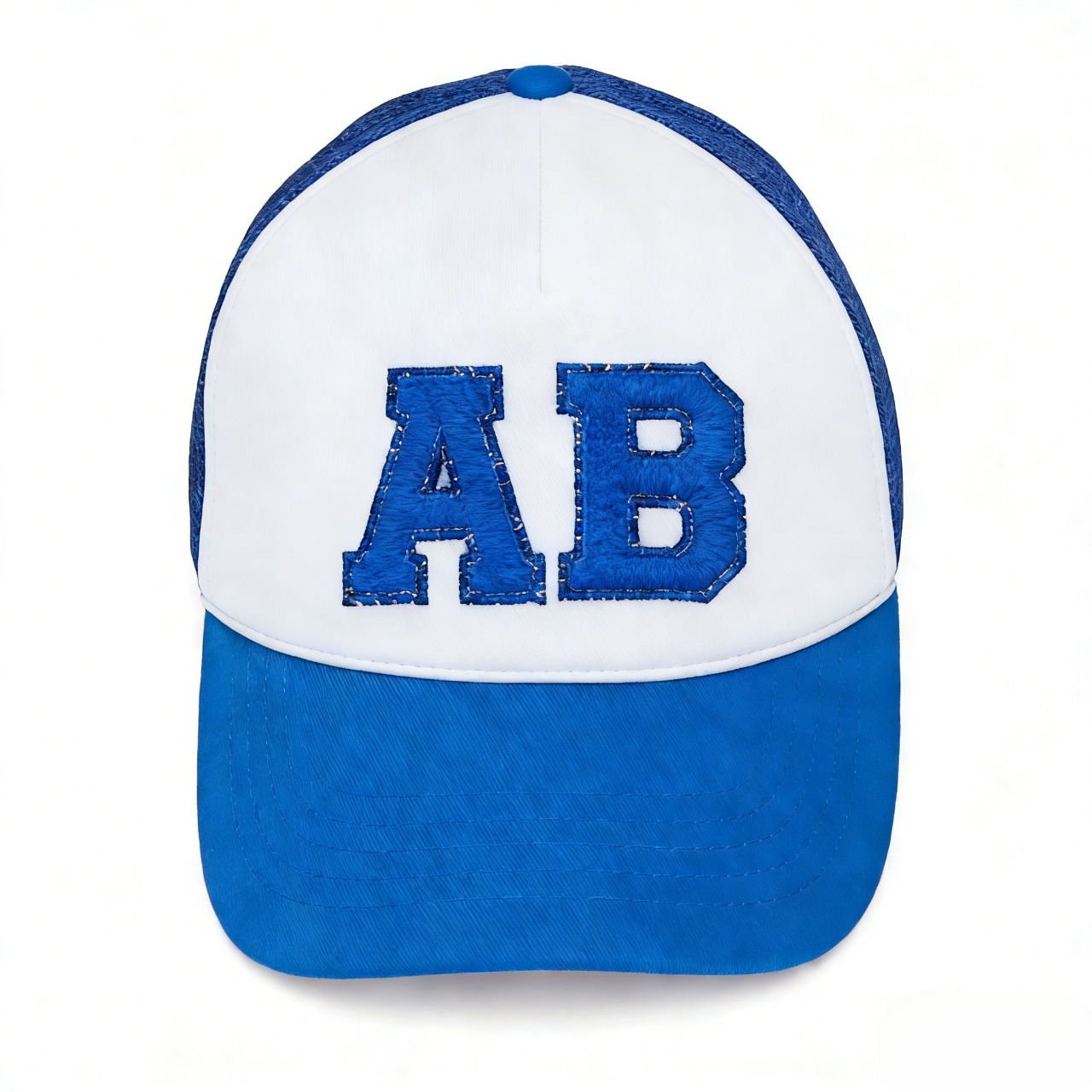
Application cases for these patches are abundant in both casual and sports settings. Baseball caps featuring the letters of a university (e.g., “NYU” or “UCLA”) are a staple on college campuses, while trucker hats with vintage brand slogans (such as “Route 66”) appeal to retro fashion fans. Number patches are also common on athletic hats, such as running caps or cycling hats, where they may represent a race number or a team member’s identifier. The simplicity and clarity of letter and number designs make them suitable for almost any hat style, from casual snapbacks to more formal fedoras.
2. Cartoon & Pop Culture Patches
Cartoon and pop culture-themed patches are a favorite among younger generations, drawing inspiration from animated characters, movie icons, comic book heroes, and other elements of popular media. The design features of these patches are characterized by vibrant colors, intricate details, and a playful aesthetic. Embroiderers often use fine threads to capture the subtle features of cartoon characters—such as the expressive eyes of a Disney princess or the iconic suit of a superhero—ensuring that the design remains recognizable even in a small patch size. Many of these patches also incorporate bold outlines to enhance the character’s shape and make the design pop against the hat.

The primary target audience for cartoon and pop culture patches is Gen Z and millennials, as well as pop culture enthusiasts of all ages. These patches allow wearers to express their fandom and connect with like-minded individuals. For example, a fan of the Marvel Cinematic Universe might adorn their bucket hat with an embroidered patch of Spider-Man, while a lover of classic cartoons could opt for a Looney Tunes character patch on their snapback. These patches also appeal to those who embrace streetwear fashion, as they add a fun, youthful element to edgy outfits.
Application cases for these patches are most common in casual and streetwear settings. Streetwear snapbacks paired with anime character patches are a popular choice among urban fashionistas, while bucket hats featuring cartoon animals (such as pandas or unicorns) are a hit with teenagers for everyday wear. Movie-themed patches, such as those inspired by Star Wars or Harry Potter, are also frequently seen on baseball caps and beanies, especially around the release of new films or during fan conventions. The versatility of these designs means they can be applied to almost any casual hat style, adding a touch of whimsy and personality.
3. Nature & Wildlife Patches
Nature and wildlife-themed embroidered patches draw inspiration from the natural world, featuring motifs such as animals, plants, landscapes, and celestial elements. The design features of these patches often emphasize realism and texture, with embroiderers using different stitch techniques to recreate the fur of an animal, the petals of a flower, or the ruggedness of a mountain. Earthy tones—such as greens, browns, and blues—are commonly used, though vibrant colors may be incorporated for more playful designs, such as tropical flowers or exotic birds.
The target audience for these patches includes outdoor adventurers, nature lovers, and eco-conscious individuals. Hikers, campers, and fishermen often opt for hats adorned with wildlife patches (such as eagles, wolves, or fish) as a way to express their connection to the outdoors. Eco-brands also frequently use nature-themed patches on their merchandise to promote environmental awareness, with designs such as trees, leaves, or endangered species. Additionally, these patches appeal to anyone who appreciates the beauty of nature and wants to incorporate it into their personal style.
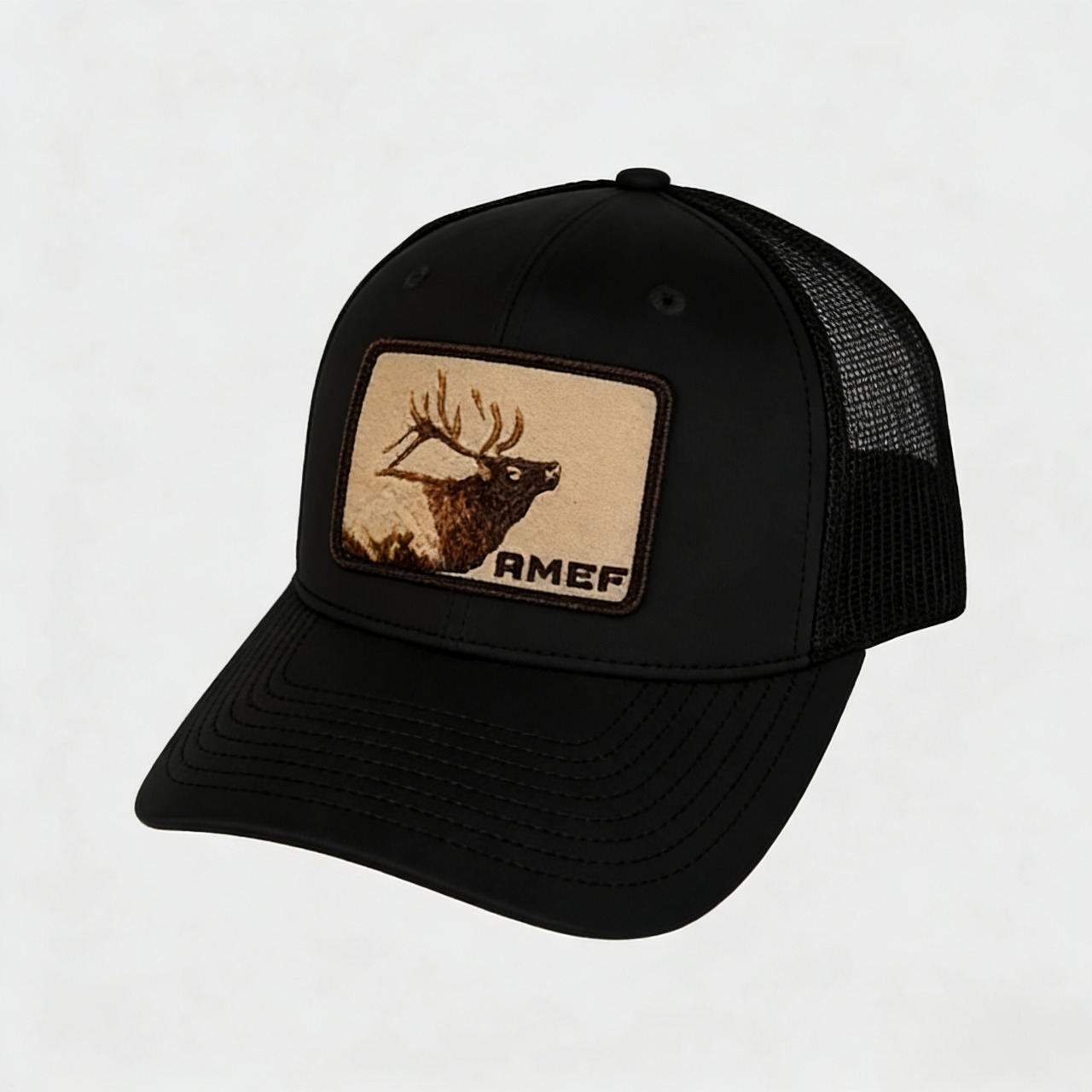
Application cases for nature and wildlife patches are primarily associated with outdoor and casual hats. Hiking hats featuring embroidered mountain or pine tree patches are both stylish and functional, as they appeal to the outdoor lifestyle while providing sun protection. Fishing caps adorned with fish or marine life patches are a popular choice among anglers, adding a thematic touch to their gear. Eco-friendly bucket hats with leaf or flower patches are also common, worn by individuals who want to showcase their commitment to sustainability. These patches are often made with durable, weather-resistant threads, making them suitable for outdoor use.
4. Vintage & Retro Logo Patches
Vintage and retro logo patches tap into nostalgia, featuring classic brand logos, retro slogans, and motifs from past decades (such as the 1950s, 60s, or 70s). The design features of these patches often include faded colors, distressed edges, and a slightly worn appearance, which enhances their vintage aesthetic. Classic typography—such as bold serif fonts or cursive scripts—is commonly used, along with iconic logos from brands that were popular in the past. Embroiderers may also use a lower thread density to give the patch a more aged, authentic look.
The target audience for these patches includes vintage fashion enthusiasts, collectors, and anyone who appreciates the nostalgia of past eras. Many people are drawn to retro style as a way to stand out from modern fashion trends, and vintage logo patches allow them to incorporate this aesthetic into their headwear. Heritage brands also use retro logo patches on their merchandise to celebrate their history and appeal to consumers who value tradition. Additionally, these patches are popular among collectors, who seek out rare or hard-to-find designs from past decades.
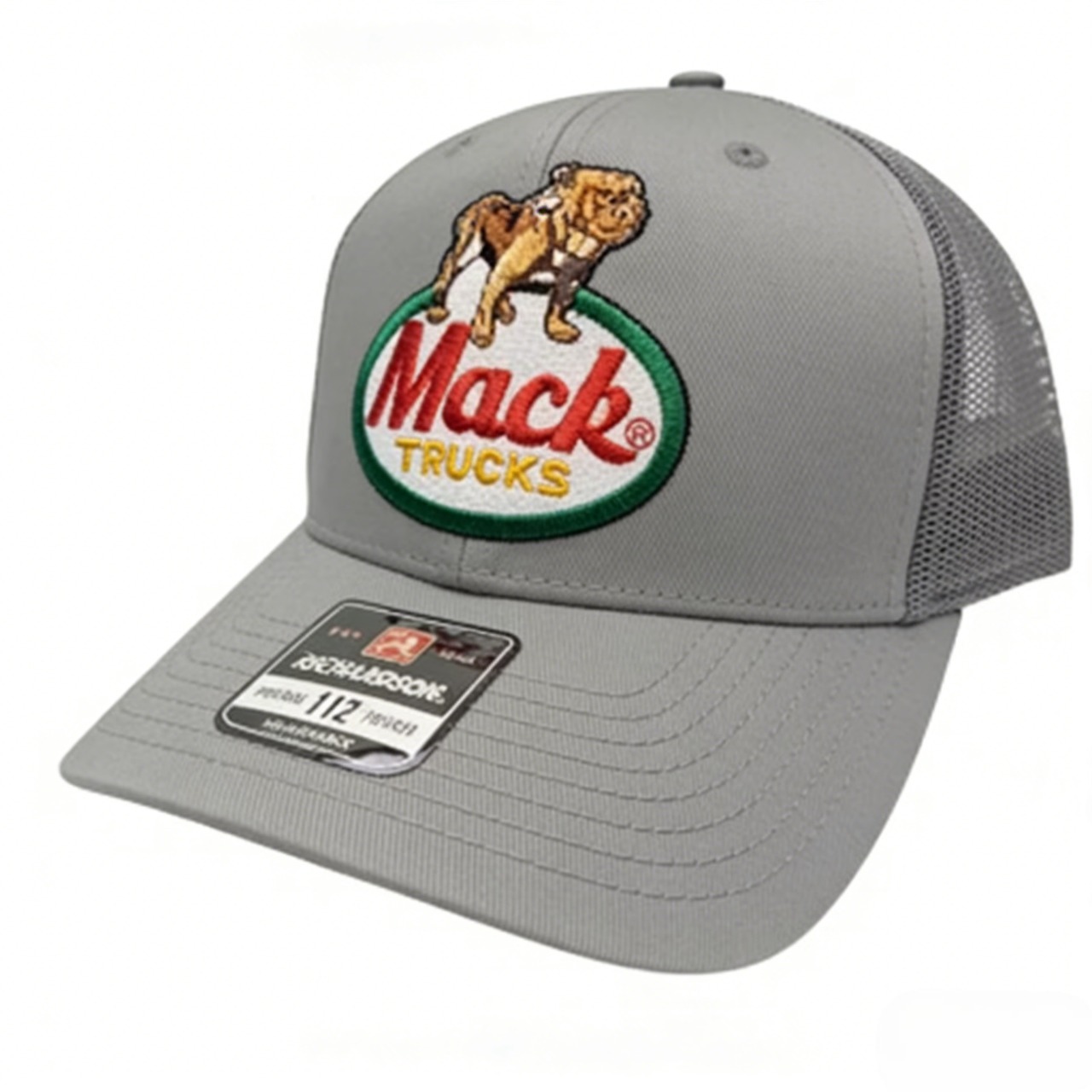
Application cases for vintage and retro logo patches are most commonly seen on trucker hats, vintage baseball caps, and beanies. Trucker hats adorned with retro gas station or soda brand logos (such as Coca-Cola or Shell) are a staple of vintage fashion, worn by individuals who want to channel a laid-back, 1970s vibe. Vintage baseball caps featuring old sports team logos (such as the 1960s New York Yankees logo) are also popular among sports fans and collectors. These patches are often paired with other retro elements, such as washed-out denim or flannel shirts, to create a cohesive vintage look.
5. Abstract & Artistic Patches
Abstract and artistic patches are a more avant-garde choice, featuring geometric shapes, abstract art, minimalist patterns, and other non-representational designs. The design features of these patches are characterized by creativity and originality, with embroiderers using a variety of stitch techniques to create unique textures and visual effects. Geometric patterns—such as triangles, circles, or chevrons—are common, often arranged in bold color combinations or subtle gradients. Minimalist designs, such as a single line or a small dot, are also popular, appealing to those who prefer a more understated aesthetic. Abstract art patches may incorporate fluid lines, splashes of color, or asymmetrical shapes, reflecting the wearer’s artistic sensibilities.
The target audience for these patches includes fashion designers, minimalist style followers, and art lovers. Fashion designers often use abstract patches to add a high-fashion element to their headwear collections, incorporating them into berets, fedoras, or avant-garde hats. Minimalist style followers appreciate the simplicity and sophistication of these patches, using them to add a subtle touch of artistry to their everyday outfits. Art lovers, meanwhile, may opt for patches inspired by famous abstract artists (such as Mondrian or Kandinsky) as a way to express their appreciation for art.
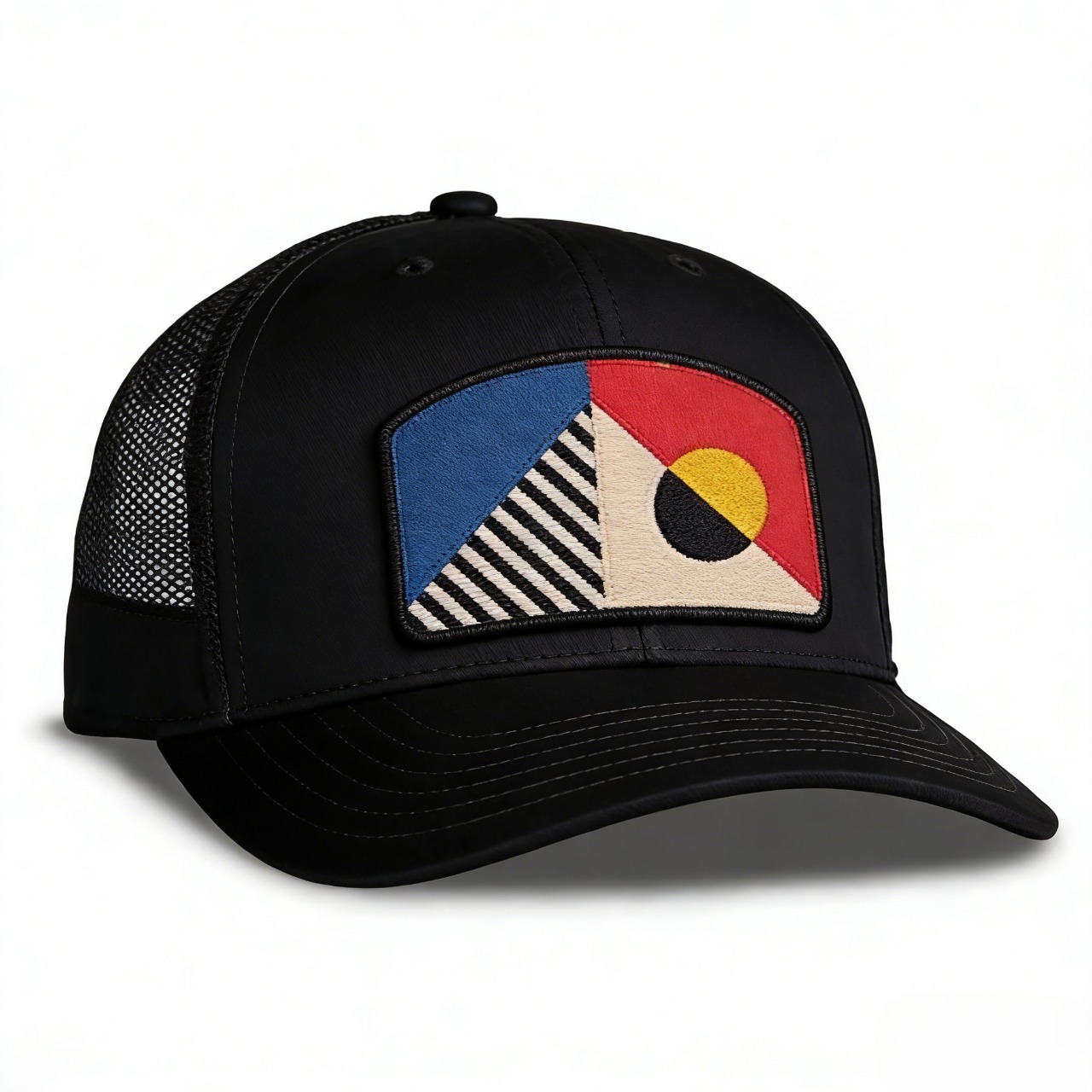
Application cases for abstract and artistic patches are most commonly seen in high-fashion and avant-garde settings. Berets adorned with geometric pattern patches are a popular choice among fashion-forward individuals, while modern fedoras featuring abstract art patches add a touch of elegance to formal outfits. Minimalist beanies with small abstract patches are also common, worn by those who want to add a subtle artistic element to their casual wear. These patches are often made with high-quality threads and intricate stitch work, reflecting their artistic nature.
6. Symbolic & Cultural Patches
Symbolic and cultural patches feature motifs that hold special meaning, such as national flags, cultural symbols, religious emblems, military insignias, or social movement symbols. The design features of these patches are often precise and respectful, as they represent important beliefs or identities. Embroiderers must pay close attention to detail when creating these patches, ensuring that the symbols are accurately reproduced. Colors are also significant, as they often hold cultural or symbolic meaning—for example, the red, white, and blue of the American flag or the green of the Islamic crescent.
The target audience for these patches includes patriotic individuals, members of cultural organizations, religious groups, military personnel, and activists. Patriotic individuals may adorn their hats with national flag patches to show their love for their country, especially during national holidays or events. Members of cultural organizations may use cultural symbol patches (such as the Celtic knot or the Chinese dragon) to express their heritage. Religious groups often use religious emblem patches (such as the cross or the Star of David) as a way to showcase their faith. Military personnel and veterans may wear military insignia patches to honor their service, while activists may use social movement symbols (such as the peace sign or the LGBTQ+ pride flag) to advocate for a cause.
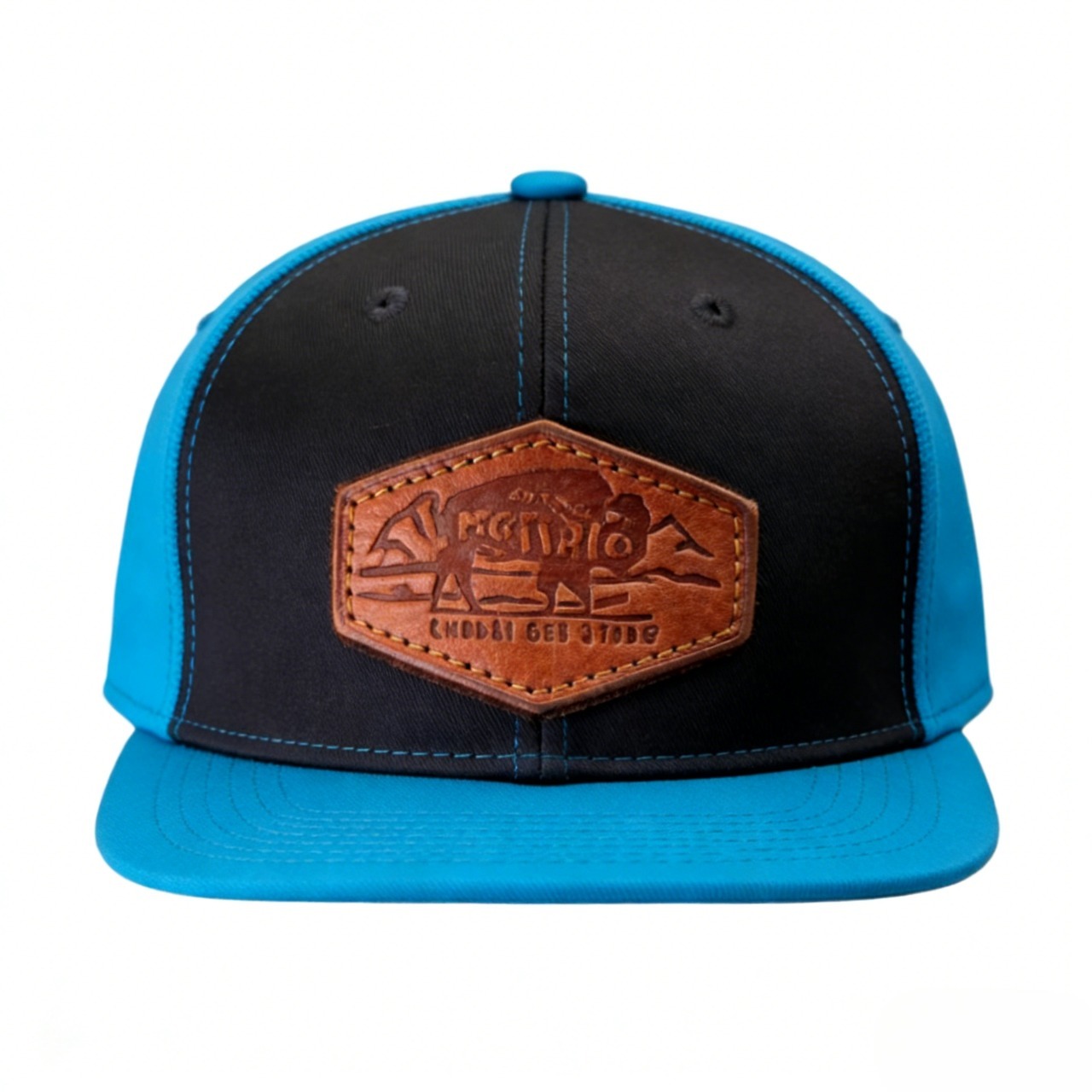
Application cases for symbolic and cultural patches are diverse, ranging from formal to casual settings. Tactical hats adorned with military insignia patches are commonly worn by military personnel and law enforcement officers, while baseball caps featuring national flag patches are popular among patriots. Cultural festival headwear, such as those worn during Chinese New Year or St. Patrick’s Day, often feature cultural symbol patches. Activists may wear hats with social movement patches during protests or rallies, using their headwear as a way to raise awareness for their cause. It is important to note that these patches must be used respectfully, as they represent deeply held beliefs and identities.
How to Match Patch Designs with Different Hat Styles
Choosing the right embroidered patch design is only half the battle—matching it with the appropriate hat style is equally important to create a cohesive and stylish look. Different hat styles have distinct aesthetics and purposes, and certain patch designs complement them better than others. Below is a guide to matching patch designs with common hat styles.
1. Baseball Caps
Baseball caps are one of the most versatile hat styles, suitable for a wide range of occasions and patch designs. However, they work best with bold, sporty designs that reflect their athletic origins. Letter and number-based patches—such as team abbreviations, player numbers, or motivational slogans—are an ideal match for baseball caps, as they enhance the sporty aesthetic. Pop culture patches featuring sports-themed characters (such as a baseball-playing cartoon character) are also a good choice. When choosing a patch for a baseball cap, it is best to opt for a medium-sized design that fits comfortably on the front panel, avoiding overly large patches that may overwhelm the hat.
2. Bucket Hats
Bucket hats are known for their casual, laid-back aesthetic, making them perfect for playful, fun patch designs. Cartoon and pop culture patches are an excellent match for bucket hats, adding a youthful and whimsical element. Nature and wildlife patches—such as tropical flowers, palm trees, or exotic birds—also complement bucket hats well, especially for summer or beachwear. The soft, rounded shape of bucket hats allows for larger patches, which can be placed on the side or front of the hat. When matching a patch with a bucket hat, it is best to choose bright, vibrant colors that contrast with the hat’s fabric to create a eye-catching look.
3. Trucker Hats
Trucker hats have a distinct retro, rugged aesthetic, making them ideal for vintage and retro logo patches. These patches enhance the hat’s nostalgic vibe, creating a look that is both stylish and timeless. Letter and number-based patches with bold, retro fonts are also a good match for trucker hats. Trucker hats typically have a mesh back and a foam front panel, which provides a sturdy base for embroidered patches. Medium-sized patches that fit on the foam front panel are the best choice, as they do not interfere with the hat’s structure.
4. Tactical Hats
Tactical hats are designed for functionality and durability, making them suitable for symbolic and cultural patches—such as military insignias, national flags, or law enforcement emblems. These patches reflect the hat’s purpose, creating a look that is both professional and respectful. Tactical hats are typically made from durable materials such as cotton or nylon, which can withstand the weight of embroidered patches. Small to medium-sized patches that are placed on the front or side of the hat are the best choice, as they do not impede the hat’s functionality.
5. Berets & Fedoras
Berets and fedoras are more formal and elegant hat styles, making them suitable for abstract and artistic patches. These patches add a touch of sophistication and artistry to the hat, enhancing its high-fashion appeal. Minimalist abstract patches—such as geometric shapes or small lines—are an ideal match for berets, while more elaborate abstract art patches work well with fedoras. When choosing a patch for a beret or fedora, it is best to opt for small, subtle designs that do not overwhelm the hat’s elegant shape. Neutral colors—such as black, white, or gray—are also a good choice, as they complement the hat’s classic aesthetic.
Key Factors for Choosing High-Quality Embroidered Patches for Hats
When selecting embroidered patches for hats, it is important to consider several key factors to ensure that the patches are of high quality, durable, and suitable for the intended use. Below are the most important factors to keep in mind.
1. Embroidery Technique
The quality of the embroidery technique is one of the most important factors to consider. High-quality patches will have dense, even stitching that creates a smooth, three-dimensional texture. The stitches should be precise, with no loose threads or uneven lines. The edge finishing is also crucial—patches with clean, tight edges will last longer and look more professional than those with frayed edges. Embroiderers may use different stitch techniques (such as satin stitches, fill stitches, or outline stitches) depending on the design, and the best patches will use the appropriate technique for each part of the design.
2. Material Selection
The materials used to make the patch—including the base fabric and the threads—are also important. The base fabric should be durable and compatible with the hat’s material. Common base fabrics include cotton, polyester, and twill, with twill being a popular choice for its durability and ability to hold embroidery well. The threads should be high-quality and colorfast, ensuring that the patch retains its vibrant colors even after repeated washing. Polyester threads are a good choice for most patches, as they are durable, resistant to fading, and available in a wide range of colors. The backing material is also important—options include iron-on, sew-on, and Velcro. Iron-on backing is convenient for easy application, while sew-on backing is more durable and suitable for heavy-duty use. Velcro backing is ideal for patches that need to be removed and reattached regularly.
3. Durability
Durability is a key consideration, especially if the hat will be worn frequently or in harsh conditions (such as outdoors). High-quality patches should be wash-resistant, colorfast, and wear-resistant. They should not fade, fray, or lose their shape after repeated washing or exposure to sunlight. The backing material should also be durable, ensuring that the patch remains securely attached to the hat. It is a good idea to test the patch’s durability by washing it a few times before attaching it to the hat, especially if the hat is expensive or has sentimental value.
4. Design Adaptability
The best embroidered patches will be adaptable to the hat’s shape and size. The patch should be designed to fit comfortably on the intended area of the hat (such as the front panel, side, or brim) without being too large or too small. Embroiderers should be able to adjust the design size and shape to fit different hat styles, ensuring that the patch looks proportional and aesthetically pleasing. Additionally, the patch should not be too thick or heavy, as this can make the hat uncomfortable to wear.
Conclusion
Embroidered patches on hats are a versatile and timeless way to personalize headwear, express identity, and enhance style. From letter and number-based designs to cartoon and pop culture motifs, nature and wildlife themes to vintage logos, abstract art, and symbolic cultural emblems, the diversity of patch designs ensures that there is something for everyone. By matching the right patch design with the appropriate hat style and considering key factors such as embroidery technique, material selection, durability, and design adaptability, individuals can create a look that is both stylish and meaningful.
Looking ahead, the trend of using embroidered patches for hat customization is likely to continue growing, driven by a rising demand for personalized and sustainable fashion. As consumers increasingly seek out unique, handcrafted items that reflect their individual style and values, embroidered patches offer a perfect solution. Whether used to showcase team spirit, pay homage to a favorite pop culture icon, express a love for nature, or honor cultural heritage, embroidered patches on hats will remain a popular choice for years to come.
PEPHAWK is proud to highlight our integrated one-stop service—seamlessly combining professional design, R&D, and manufacturing capabilities to deliver cohesive, end-to-end solutions for our valued clients.
Our core product range covers a diverse selection of high-quality accessories and silicone-based items, including:
- Garment Accessories: Silicone Labels, Micro Fiber Labels, TPU Labels, Leather Labels
- Electronic & Lifestyle Gadgets: Silicone Mobile Phone Skins, Silicone MP3 Skins, Silicone Chaplets, Silicone Bracelets
Beyond our core offerings, we also connect clients with complementary products through our trusted affiliated companies, ensuring all your needs are met under one partnership.
What sets us apart is our specialized expertise in key manufacturing processes: Silk Screen Printing, High-Frequency Welding, Sublimation Printing, Seamless Fabric Processing, and Laser Cutting. These capabilities allow us to serve a wide array of industries—from garments, shoes, caps, and gloves to electronic devices, bags, and sporting equipment—with products that blend durability, functionality, and aesthetic appeal.
At PEPHAWK, customer satisfaction is our top priority. We’re committed to providing responsive, thorough support, and guarantee a same-day response to all inquiries—no exceptions. You can rely on us for consistent quality, reliable delivery, and a partnership that’s as efficient as it is trustworthy.
Whether you’re looking for custom apparel labels, protective silicone skins, or tailored manufacturing solutions, PEPHAWK has the expertise and flexibility to bring your vision to life
The Multi-Dimensional Impacts of Sports Team Patches on Team Uniforms
How to Rock Different Pattern Patches on Leather Coats




SEND MESSAGE