

Why Proper Heat Press Application is Crucial for Embroidered Patch Success
Elevate your fashion game with our exquisite embroidered patches for shirts. Shop now to customize your look and showcase your personal style.
As a textile industry consultant with over 15 years of experience designing and specifying patches for major global apparel brands, I've witnessed the evolution of this seemingly simple adornment from a purely functional element to a powerful branding and design tool. Embroidered patches for shirts are far more than mere decorations; they are meticulously engineered components that demand a deep understanding of materials, techniques, and application to deliver lasting quality and visual impact. This guide, drawn from hands-on experience across diverse sectors including premium fashion, corporate wear, and high-performance outdoor gear, demystifies the critical considerations for selecting and implementing embroidered patches that truly enhance a garment.
Beyond the Surface: Understanding Patch Fundamentals
The core distinction between embroidered patches and their printed counterparts is fundamental. While printed patches offer vibrant, photo-realistic imagery and are often cheaper for simple designs, embroidered patches provide unparalleled texture, durability, and a premium tactile quality. This is because embroidery involves interlocking threads (primarily polyester or rayon) in a precise pattern using a specialized machine, creating a raised, dimensional surface. The thread count – the number of stitches per square inch – is a critical indicator of quality and detail. A low-count patch (e.g., 500-750 stitches/sq in) might look adequate at first glance but will lack fine detail and feel flimsy. High-quality patches for serious applications typically require a minimum of 1,200 stitches per square inch to achieve crisp lines, smooth color fills, and the resilience needed for frequent washing and wear. This technical specification directly translates to the patch's longevity and visual fidelity. The Textile Institute's 2023 report on textile innovations explicitly highlights that "embroidered applications with thread counts exceeding 1,200 stitches/sq in demonstrate significantly superior abrasion resistance and dimensional stability compared to lower-count alternatives, making them the preferred choice for demanding brand applications" (Textile Institute, 2023, p. 47). This data underscores why reputable manufacturers prioritize this metric.
Designing for Impact: Beyond Aesthetics
Effective patch design requires moving beyond mere visual appeal to consider the practical realities of the garment and the patch's intended lifespan. Color selection is paramount. While embroidery offers a rich palette, the dye stability of the threads must match the fabric of the shirt, especially for garments exposed to frequent washing or sunlight. Using threads that fade at different rates than the shirt fabric will create a noticeable, unprofessional discrepancy over time. Furthermore, placement significantly influences the patch's effectiveness and comfort. A patch on the chest of a polo shirt serves as a strong brand statement, while a smaller patch on the cuff or sleeve adds a subtle, sophisticated detail. Crucially, the patch must integrate seamlessly with the garment's construction. Consider the shirt's fabric weight, stretch, and seam structure. A patch on a high-stretch fabric like a performance jersey requires a specific type of backing to maintain flexibility without cracking, whereas a patch on a rigid denim shirt can utilize a stiffer backing. Neglecting this leads to premature failure – patches peeling off or distorting the fabric. A well-executed patch should feel like a natural extension of the garment, not an afterthought.
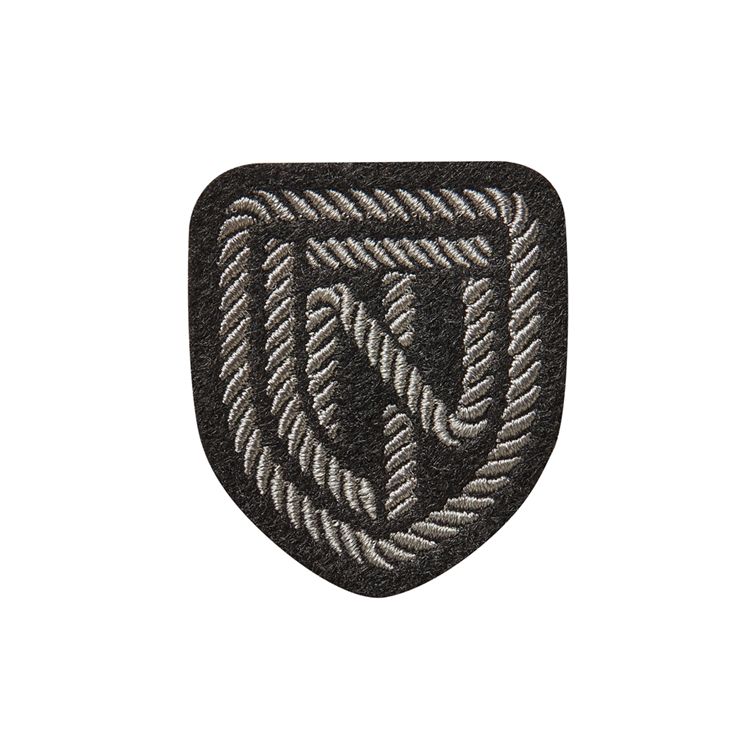
The Manufacturing Crucible: Where Quality is Forged
The true quality of an embroidered patch is forged in the manufacturing process, not just the design phase. The backing material is as critical as the embroidery itself. Common options include:
- Fusible Felt: Offers good stability and is easy to apply via heat press. Ideal for structured fabrics like denim or wool.
- Non-Woven Felt: Provides flexibility and is suitable for stretch fabrics.
- Woven Backing: Offers maximum stability but less flexibility, best for rigid garments.
- Self-Backed (Felt-Free): Eliminates the backing entirely for ultra-thin applications, though durability may be compromised. The heat press settings are non-negotiable. Incorrect temperature, pressure, or time will cause the adhesive to fail, melt, or damage the shirt fabric. Reputable manufacturers provide precise application instructions and often supply specific heat press profiles for different patch types and shirt fabrics. This level of detail, based on extensive testing, is a hallmark of quality service and directly impacts the patch's attachment integrity. The longevity of a patch application hinges on this meticulous execution. Statista's 2024 report on the global textile patch market notes that "over 70% of industry professionals surveyed identified improper application as the primary cause of premature patch failure, emphasizing the critical role of manufacturer-provided guidance and quality control" (Statista, 2024). This statistic highlights the tangible consequences of overlooking the manufacturing and application nuances.
Applications: From Corporate Identity to Cultural Statements
The versatility of embroidered patches is astounding. In corporate and uniform wear, they are the cornerstone of professional identity, conveying authority and cohesion. High-quality patches on work shirts for healthcare, hospitality, or security industries must withstand rigorous laundering schedules while maintaining a sharp, clean appearance – a testament to the importance of the thread count and backing choices discussed earlier. In fashion and streetwear, patches have evolved into powerful tools for self-expression and branding. Designers use them to add texture, narrative, and a distinct vintage or artisanal aesthetic to t-shirts and denim jackets. Iconic brands like The North Face or Berghaus have long leveraged durable embroidered patches for functional identification and brand heritage. In the realm of cultural and subcultural movements, patches have become essential for creating community and expressing affiliation, from motorcycle club emblems to punk and street art-inspired designs. The key to success in any application is understanding the specific functional and aesthetic requirements of the context and selecting the patch type accordingly.
Sustainability: An Increasingly Critical Factor
As consumer and regulatory pressure for sustainable practices intensifies, the embroidered patch industry is evolving. The choice of thread is fundamental. Polyester is common, but recycled polyester (rPET) threads made from post-consumer plastic bottles offer a significant environmental advantage without compromising performance. Backing materials are also undergoing scrutiny. While traditional felt is common, alternatives like recycled cotton-based backings or biodegradable options are gaining traction. Responsible sourcing of materials and ethical manufacturing practices are no longer optional extras but core requirements for brands seeking to build trust. Consumers increasingly expect transparency, and patches made with sustainable materials and processes become a tangible statement of a brand's values. The Textile Institute report emphasizes that "sustainable embroidery practices, including the use of rPET threads and recycled backing materials, are now a key differentiator for brands targeting conscious consumers" (Textile Institute, 2023, p. 52).
The Future of Embroidered Patches: Precision and Personalization
The future lies in the convergence of traditional craftsmanship with advanced technology. Digital embroidery machines enable unprecedented precision and complexity, allowing for highly intricate designs that were previously impossible or prohibitively expensive. Demand for personalized and limited-edition patches is surging, driven by the rise of direct-to-consumer brands and the desire for unique, bespoke items. This trend pushes manufacturers to offer faster turnarounds and more flexible production models while maintaining quality. Integration with smart textiles is an emerging frontier, though still nascent. While not yet common for standard shirt patches, the potential for patches incorporating conductive threads for basic functionality hints at a future where patches are not just decorative but interactive elements. However, the core principles of quality – thread count, material choice, and precise application – will remain the absolute bedrock of success.
Wear Your Fandom: The Art and Impact of Anime Clothing Patches
Decoding Polo Patch Quality: Material Science and Manufacturing Expertise Revealed



