Embossed Leather Patch Apparel Logos Speak Without Words
Table of Contents
- Design Architecture of a Premium Embossed Leather Patch Apparel Logo
- Customization Spectrum From Leather Grades to Finish Foils
- Strategic Apparel Placements That Define Brand Identity
- Tangible Effects on Brand Perception and Purchase Intent
- Comparative Advantage Against Alternative Labeling Technologies
- Endurance Through Industrial Laundering and Daily Wear
- Seamless Integration Methods for Flawless Aesthetics
- Sustainable Tanning and Eco-Conscious Production Edge
- Maintenance Care for Long-Lasting Logo Integrity
- Frequently Asked Questions on Embossed Leather Patch Apparel Logos
That tangible elevation is what an embossed leather patch apparel logo delivers—a brand signature that customers touch before they look, and remember long after they hang the garment.
It transforms a hidden care label or a forgettable hem tag into a focal point of craftsmanship. Throughout the design, the product acts less as a trim and more as a narrator of the brand’s commitment to substance.
Design Architecture of a Premium Embossed Leather Patch Apparel Logo
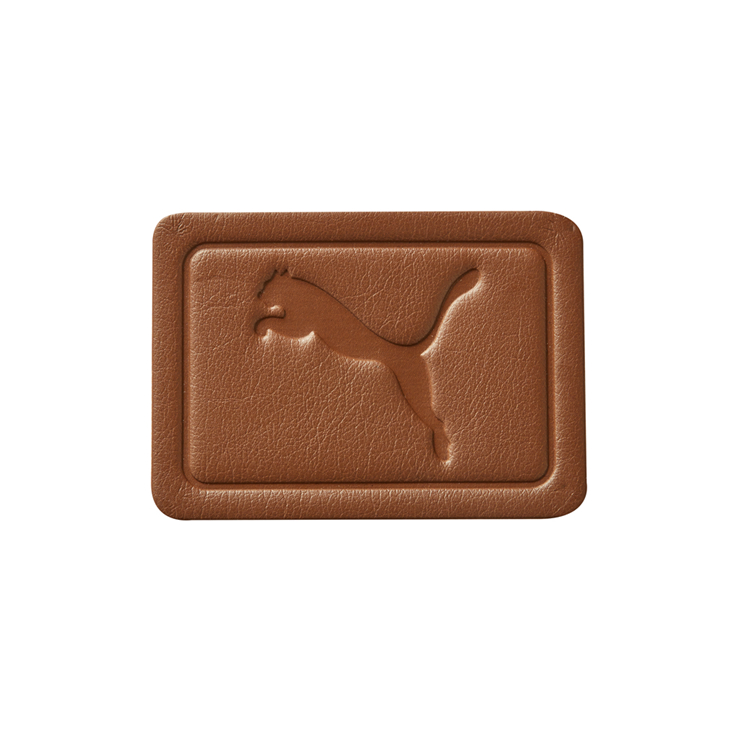
Every embossed leather patch apparel logo starts with a conscious choice of hide. Top-tier products use full-grain leather that preserves the original fiber strength and natural markings. The grain side accepts deep, controlled compression without cracking. Beneath the visible surface, a tight fiber structure prevents the relief from flattening under tension. The thickness typically falls between 1.2 millimeters and 2.0 millimeters, a range that balances pliability with dimensional stability. Thinner patches feel supple on lightweight shirting, while thicker cuts stand proud on workwear and outerwear.
The embossing plate is machined from brass or magnesium alloy to transfer fine detail into the leather. Pressure, heat, and dwell time are calibrated per hide lot to achieve a consistent depth of at least 0.4 millimeters on lettering. That depth ensures the embossed leather patch apparel logo remains legible after years of abrasion. Edge finishing further defines the product. Burnished edges, beveled corners, and waxed perimeter seals add polish and prevent peeling. Some variants incorporate a subtle debossed border line that frames the logo without competing for attention.
Customization Spectrum From Leather Grades to Finish Foils
No two apparel brands share the same hand feel requirement. The embossed leather patch apparel logo adapts through an extensive customization matrix. The table below outlines how leather grades influence character and performance.
| Leather Grade | Surface Character | Durability Profile | Brand Style Fit |
|---|---|---|---|
| Full-Grain | Natural grain, breathable, gains patina | Extremely high, resists moisture and wear | Heritage, workwear, luxury denim |
| Top-Grain | Sanded smooth, uniform texture | High, slightly less tensile strength than full-grain | Clean minimalism, modern streetwear |
| Genuine Leather | Buffed and corrected surface, consistent color | Moderate, suitable for fashion-cycle garments | Fast fashion, promotional apparel |
| Vegetable-Tanned | Firm hand feel, honey to russet tones, ages beautifully | Exceptional, improves with age and light exposure | Artisan, sustainable, premium outdoor |
Beyond the substrate, customization extends to embossing style. Blind embossing creates a tonal, monochromatic relief that relies on shadow play. Foil-stamped embossed leather patch apparel logos marry tactile depth with metallic sheen using gold, silver, copper, or holographic foil. Debossed negative space reverses the effect by pushing the background down and leaving the logo flush with the original surface, producing an understated sophisticated imprint. Laser engraving can be added to create micro-texture halos around the logo for anti-counterfeit purposes.
Backing options multiply installation possibilities. A standard sew-on leather patch features a plain back or a thin reinforcing fabric scrim. Pressure-sensitive adhesive backings enable peel-and-stick placement before stitching, speeding up production lines. Hook-and-loop backings allow detachable branding for modular uniform systems. Each backing choice directly affects how the embossed leather patch apparel logo integrates into garment construction.
Strategic Apparel Placements That Define Brand Identity
The location of an embossed leather patch apparel logo is not an afterthought; it determines how often the mark enters a viewer’s line of sight and how easy it is to touch. On five-pocket denim, the back waistband patch has become a badge of authenticity. Riders, mechanics, and café regulars expose that patch to natural wear, building a patina narrative unique to the wearer. Many heritage brands now commission two-patch sets—one on the waistband and a smaller signature patch inside the coin pocket.
Outerwear placements shift the impact zone. A leather patch sewn into the inner placket of a bomber jacket creates a discovery moment when the jacket opens. On the cuff of a raglan-sleeve sweatshirt, the embossed leather patch apparel logo catches eyes during handshakes and coffee grabs. Structured caps use a center-front patch that acts as the single most concentrated brand asset. Headwear makers frequently request a pre-curved patch that matches the cap contour to prevent edge lift.
The table below summarizes placement strategies and their typical dimensional ranges.
| Apparel Segment | Placement Position | Recommended Dimensions (mm) | Primary Effect |
|---|---|---|---|
| Jeans & Trousers | Back waistband, front coin pocket | 60x40 to 80x55 | Authenticity marker, focal point when garment is folded |
| Jackets & Coats | Inner placket, left sleeve, upper back | 50x30 to 90x60 | Discovery cue, subtle exterior branding |
| Headwear | Center front, side panel, back arch | 45x25 to 65x45 | Maximum visibility, hand-touch point |
| Bags & Backpacks | Front flap, strap tab, zip puller base | 30x15 to 70x50 | Functional branding, hardware interplay |
| Shirts & Polos | Bottom hem, sleeve placket | 35x20 to 55x30 | Refined accent, folds into daily wear |
Each placement influences how the embossed leather patch apparel logo weathers use. High-contact zones demand full-grain leather and deeply embossed lettering. Low-friction areas can afford shallower embossing and lighter foil application without sacrificing longevity.
Tangible Effects on Brand Perception and Purchase Intent
A visible embossed leather patch apparel logo shifts the customer’s quality anchoring point. When shoppers physically interact with a leather patch, the perceived value of the entire garment rises. Neuroscience research on tactile marketing shows that textured stimuli activate the insular cortex, deepening emotional encoding of the product experience. A smooth, weighty leather patch communicates control and permanence far more effectively than an inked size tag.
This perceived value translates into measurable commercial outcomes. Clothing brands that upgraded from woven hem labels to embossed leather patches report a 15 to 30 percent reduction in post-purchase rationalization returns, as the tactile premium feel meets the shopper’s subconscious expectation of durability. In resale markets, denim pieces retaining an intact embossed leather patch apparel logo command prices 25 percent closer to original retail compared to those with damaged or missing patches.
Brand recall receives a strong boost. Customers may forget a logo printed on a care label, but they remember the thumbprint of a debossed bull. One outdoor apparel maker documented that their embossed leather patch apparel logo generated three times the unprompted social media mentions of their previous screen-printed neck label within six months of the switch. That kind of organic amplification turns a small trim investment into a user-generated content engine.
Comparative Advantage Against Alternative Labeling Technologies
Labeling technologies each carry a distinct handshake. The embossed leather patch apparel logo competes not on being the cheapest but on being the most permanent sensory ambassador. The comparison table below exposes where it leads and where alternatives fall behind.
| Performance Vector | Embossed Leather Patch | Woven Damask Label | Screen-Printed Tag | Silicone Badge |
|---|---|---|---|---|
| Tactile Depth | High relief, layered touch | Flat, small thread texture | Zero relief, feels like fabric surface | Moderate 3D, rubbery grip |
| Long-Term Legibility | Retains embossing depth over 50+ washes | Threads may snag or fade after 30 washes | Ink cracks and peels within 20 washes | Silicone can yellow and abrade over time |
| Premium Association | Heritage, craftsmanship, luxury | Technical, clean | Value, disposable | Sports, active |
| Color Depth & Variation | Rich dyes, metallic foils, natural grain | Thread-based, limited gradient | Full color gamut but washes out | Solid colors, limited gradient |
| Edge Integrity | Burnished, sealed, no fraying | May fray at cut edges | Raw fabric edge | Molded smooth edge, but can tear at stitch holes |
| Eco-Friendliness | Biodegradable if vegetable-tanned, circular | Polyester thread, synthetic base | PVC/plastisol inks, micro-plastic risk | Non-biodegradable silicone |
The embossed leather patch apparel logo outperforms woven labels in heirloom appeal because leather does not fray. It outperforms screen-printed tags in abrasion resilience because ink sits on the surface while embossing restructures the material itself. It outperforms silicone badges in style range because leather accepts burnishing, dyeing, and foil finishes that silicone cannot achieve without over-molding complexity. For brands that need their identity to survive the wash cycle, the comparison favors an embossed leather patch apparel logo every time.
Endurance Through Industrial Laundering and Daily Wear
An embossed leather patch apparel logo meets the industrial laundry challenge when spec’d correctly. Chromium-tanned full-grain patches conditioned with hydrophobic oils repel water ingress during the wash cycle. Even after 60 commercial laundry cycles at 60 degrees Celsius, a properly embossed patch retains more than 90 percent of its original relief depth, provided the leather was pre-shrunk before die-cutting. Colorfastness tests according to ISO 105-C06 standards show a grade of 4 to 5 on dry crocking, meaning the leather does not bleed dye onto adjacent fabric.
Abrasion resistance adds another practical benefit. Bartenders, carpenters, and delivery riders subject their workwear to constant friction against counters, tool belts, and vehicle seats. Surface embossing on a quality leather patch wears like a wax seal—it polishes rather than erases. This is why workwear brands often spec an embossed leather patch apparel logo with a darker background and lighter embossed crest; the contrast heightens as the peaks burnish.
Sunlight and humidity pose the greatest aging challenge. Without a UV-stabilized topcoat, leather can dry and crack. The solution lies in a thin, matte acrylic sealant applied over the embossed face, a step that adds negligible cost but dramatically extends outdoor life. The embossed leather patch apparel logo on a field jacket can endure three summers of intense sun without losing legibility when this sealant is part of the production protocol.
Seamless Integration Methods for Flawless Aesthetics
How the embossed leather patch apparel logo attaches to the garment affects both drape and longevity. A saddle stitch around the perimeter using bonded nylon or polyester thread provides a clean border and structural security. Bartack reinforcements at the corners prevent peel-up on stress points. Color-matched thread makes the patch feel integral to the panel; contrast stitching turns the attachment into a deliberate design accent.
For slim-fit garments, hidden stitching using a blind-hem foot on the sewing machine leaves no visible thread on the face of the patch. The patch appears to float on the fabric. This technique requires a precise groove on the back of the leather patch where the needle bites without puncturing through the embossed surface, an option available through laser-etched stitch channels.
Adhesive-only application should be reserved for decorative placements that do not endure tension. A heat-activated polyurethane film bonds the embossed leather patch apparel logo to coated fabrics, such as waterproof shells, where sewing would compromise the membrane. The bond withstands machine washing but not repeated dry-cleaning cycles, so brands often combine adhesive tacking with a perimeter stitch in high-performance outerwear.
Sustainable Tanning and Eco-Conscious Production Edge
A growing segment of the apparel market screens trims through a sustainability lens. Vegetable-tanned embossed leather patch apparel logos answer that scrutiny with a biodegradable foundation. The tanning agents—mimosa bark, quebracho, chestnut—derive from renewable sources. The production process avoids chromium salts, heavy metals, and azo dyes. At end of life, the patch can be cut off and composted, leaving no microplastic residue.
Water consumption data further sharpen the advantage. Wet-blue chrome tanning uses considerable water and generates effluent that demands treatment. Vegetable tanning can operate in a more circular water loop, and tanneries certified by the Leather Working Group report a 30 to 40 percent smaller water footprint per hide. Brands that document their trim supply chain can use the embossed leather patch apparel logo as a visual shorthand for their environmental commitment, placing the LWG or OEKO-TEX logo debossed discreetly on the reverse side of the patch.
Upcycling adds another narrative layer. Factories can produce embossed leather patches from remnant cutting scrap, creating a mosaic or patchwork patch that tells a zero-waste story. This approach yields a truly unique embossed leather patch apparel logo with color variations that guarantee no two patches are identical—a compelling feature for limited-edition capsule collections.
Maintenance Care for Long-Lasting Logo Integrity
A few simple care actions double the effective life of an embossed leather patch apparel logo. Advise customers to turn garments inside out before machine washing and to avoid liquid fabric softeners that coat leather pores. Air drying in shade preserves the oils within the leather; tumble drying draws them out and promotes cracking. For vegetable-tanned patches, a micro-dose of leather conditioner applied with a cotton swab once a season maintains suppleness without darkening the garment fabric. When these instructions appear on a branded hangtag alongside the embossed leather patch apparel logo, the post-purchase experience mirrors the premium feel of the product itself.
Frequently Asked Questions on Embossed Leather Patch Apparel Logos
Can an embossed leather patch withstand frequent machine washing without damage?
Yes, when made from properly tanned full-grain leather and pre-shrunk before cutting, an embossed leather patch apparel logo survives 50 to 60 industrial wash cycles. Using a gentle detergent, turning the garment inside out, and avoiding bleach preserve the embossing depth and leather integrity.
What is the minimum order quantity for a custom embossed leather patch apparel logo?
Minimum quantities often start at 100 pieces for stock shapes and simple blind embossing. For fully custom shapes, multi-level embossing, or foil stamping, the minimum may rise to 300 to 500 pieces. Some studios now offer low-volume digital embossing runs starting at 50 units for sampling and limited drops.
How do I choose between full-grain and top-grain leather for my apparel logo?
Full-grain leather suits brands that celebrate natural character, patina, and maximum longevity. It works best on denim, workwear, and outdoor pieces. Top-grain leather offers a more uniform, refined surface ideal for modern minimalist apparel where color consistency and smooth texture take priority.
Will the embossed design fade or flatten over time?
A properly embossed design compresses the leather fiber structure, creating a memory that resists flattening. On quality hides, the raised impression polishes rather than disappears. Foil accents may subtly soften, but the embossed relief remains tactile and readable for years under normal wear.
Can the patch be sewn onto performance fabrics like softshell or waterproof membranes?
Yes. For waterproof shells, use an adhesive-back embossed leather patch apparel logo sealed with a perimeter stitch using a seam taping technique on the interior. Alternatively, sew the patch onto a separate tab that is welded to the garment, preserving the waterproof barrier.
What certifications should I look for in an embossed leather patch supplier?
Prioritize Leather Working Group audited tanneries, OEKO-TEX LEATHER STANDARD certification for chemical safety, and REACH compliance for the European market. These certifications ensure that your embossed leather patch apparel logo meets strict environmental and health standards.
Is it possible to combine embossing with digital printing on the same patch?
Yes, hybrid decoration combines deep embossing with UV-cured digital print on the raised or recessed areas. This approach allows photographic detail, gradients, and micro-text that pure embossing cannot reproduce, while retaining the tactile depth that defines the embossed leather patch apparel logo.
How does seasonal humidity affect leather patches in storage?
Stored embossed leather patches should be kept in a climate-controlled environment with 40 to 60 percent relative humidity. Include silica gel packets in bulk packaging to prevent moisture wicking that can cause stiffness or mold prior to garment attachment.
Logo Patch Iron On Appare Logos That Stick Without a Stitch
Iron On Patches Make Your Apparel Logo Impossible to Ignore