

Dye Sublimation Patches: The Ultimate Fusion of Art and Functionality
Unleash your creativity with our dye sublimation patches. Offering vivid designs and lasting quality, they are perfect for any customization project. Visit us!
In the world of custom apparel and accessories, dye sublimation patches have emerged as a game-changing innovation. These patches combine vibrant, photo-realistic designs with unmatched durability, making them a favorite among designers, businesses, and DIY enthusiasts alike. Whether you’re looking to create personalized gear for a sports team, brand merchandise for your business, or unique fashion statements, dye sublimation patches offer limitless possibilities. In this article, we’ll explore what makes these patches stand out, how they’re made, and why they’re becoming a go-to choice for customization.
What Are Dye Sublimation Patches?
Dye sublimation patches are a type of custom patch created using a specialized printing process that infuses ink directly into the fabric. Unlike traditional embroidered or PVC patches, dye sublimation allows for intricate, high-resolution designs that capture even the finest details. The result is a smooth, lightweight patch with colors that pop and won’t fade over time.
How Do They Work?
The dye sublimation process involves printing your design onto a special transfer paper using sublimation inks. Heat and pressure are then applied to transfer the ink into the fabric’s fibers. This infusion ensures the design becomes part of the material itself, rather than sitting on top like screen printing or embroidery. The final product is a durable, flexible patch that feels seamless and looks professional.
Why Choose Dye Sublimation Patches?
Dye sublimation patches offer several advantages over traditional patch-making methods, making them an ideal choice for modern customization needs.
1. Vibrant and Detailed Designs
One of the standout features of dye sublimation patches is their ability to reproduce complex, full-color designs with incredible precision. From gradients and shadows to intricate patterns and photorealistic images, these patches can bring any vision to life. This level of detail is often impossible to achieve with embroidery or screen printing.
2. Lightweight and Comfortable
Unlike embroidered patches, which can feel bulky due to layered threads, dye sublimation patches are thin and lightweight. This makes them perfect for garments where comfort is key, such as athletic wear, hats, or bags. They also lay flat against the fabric, reducing irritation and maintaining a sleek appearance.
3. Durability That Lasts
Because the ink is infused into the fabric, dye sublimation patches are highly resistant to fading, cracking, or peeling—even after repeated washing. This makes them a reliable option for items that undergo frequent use, such as uniforms or promotional merchandise.
4. Versatility Across Applications
These patches can be applied to virtually any fabric, including polyester, nylon, and blends. Their adaptability makes them suitable for a wide range of projects, from corporate branding to creative fashion designs.
The Process of Creating Dye Sublimation Patches
Creating dye sublimation patches involves a combination of artistry and technology. Here’s a step-by-step breakdown of the process:
1. Design Creation
Start by designing your patch using graphic design software like Adobe Illustrator or Photoshop. Ensure your artwork is high-resolution and includes all desired elements, such as text, logos, or imagery. Keep in mind that dye sublimation excels at reproducing detailed designs, so don’t hesitate to get creative!
2. Printing the Transfer
Once your design is finalized, print it onto sublimation transfer paper using sublimation inks. These inks are specially formulated to bond with polyester fabrics during the heat application process.
3. Heat Press Application
Place the printed transfer onto the patch material (usually polyester twill) and apply heat and pressure using a heat press machine. The heat causes the ink to turn into a gas, penetrating the fabric’s fibers and permanently embedding the design.
4. Cutting and Finishing
After the design is transferred, the patches are cut to shape using a cutting machine or die-cutting equipment. A heat-activated adhesive backing can be added for easy application to garments or accessories.
Applications of Dye Sublimation Patches
The versatility of dye sublimation patches makes them suitable for a wide variety of uses:
1. Sports Teams and Clubs
From jerseys to caps, dye sublimation patches allow teams to showcase their logos, mascots, or player names with stunning clarity. Their lightweight nature ensures athletes remain comfortable during games and practices.
2. Corporate Branding
Businesses can use these patches to create branded uniforms, tote bags, or promotional items. The ability to include detailed logos and text ensures a polished, professional look.
3. Fashion and Accessories
Designers love dye sublimation patches for their ability to add bold, eye-catching details to clothing, hats, and bags. They’re especially popular in streetwear and custom apparel markets.
4. Event Merchandise
For concerts, festivals, or conferences, dye sublimation patches make excellent keepsakes. Attendees can attach them to jackets, backpacks, or hats as a memento of the event.
Advantages Over Traditional Patch Methods
Compared to embroidery and PVC patches, dye sublimation patches offer distinct benefits:
1. No Color Limitations
Unlike embroidery, which relies on thread colors, dye sublimation supports unlimited color options. Gradients, intricate shading, and photo-realistic images are no problem.
2. Cost-Effective for Complex Designs
Embroidery can become expensive when dealing with multi-colored or highly detailed designs. Dye sublimation eliminates these costs while delivering superior results.
3. Smooth Finish
The absence of raised threads gives dye sublimation patches a sleek, modern appearance that complements contemporary styles.
Tips for Maximizing Your Dye Sublimation Patch Projects
To ensure your patches turn out perfectly, follow these tips:
1. Use High-Quality Materials
Invest in premium sublimation inks, transfer paper, and fabric. Quality materials will enhance the vibrancy and longevity of your patches.
2. Test Before Mass Production
Always do a test run to check for color accuracy, alignment, and overall quality. This step prevents costly mistakes when producing large quantities.
3. Optimize Your Design
Keep your design resolution high (at least 300 DPI) to ensure sharp details. Avoid overcrowding elements, as this can reduce clarity.
4. Choose the Right Fabric
Polyester is the best material for dye sublimation, as the process works by bonding with synthetic fibers. Avoid natural fabrics like cotton, which won’t yield the same results.
When confronted with the task of producing intricate design drafts of the highest quality, PEPHAWK is here to provide the perfect solution. With over 16 years of industry experience and our esteemed general manager boasting 31 years of expertise in the silicone industry, we are the ultimate choice for tackling your challenging logo design projects. Select PEPHAWK for our unmatched proficiency and rest assured in the impeccable outcomes we consistently deliver.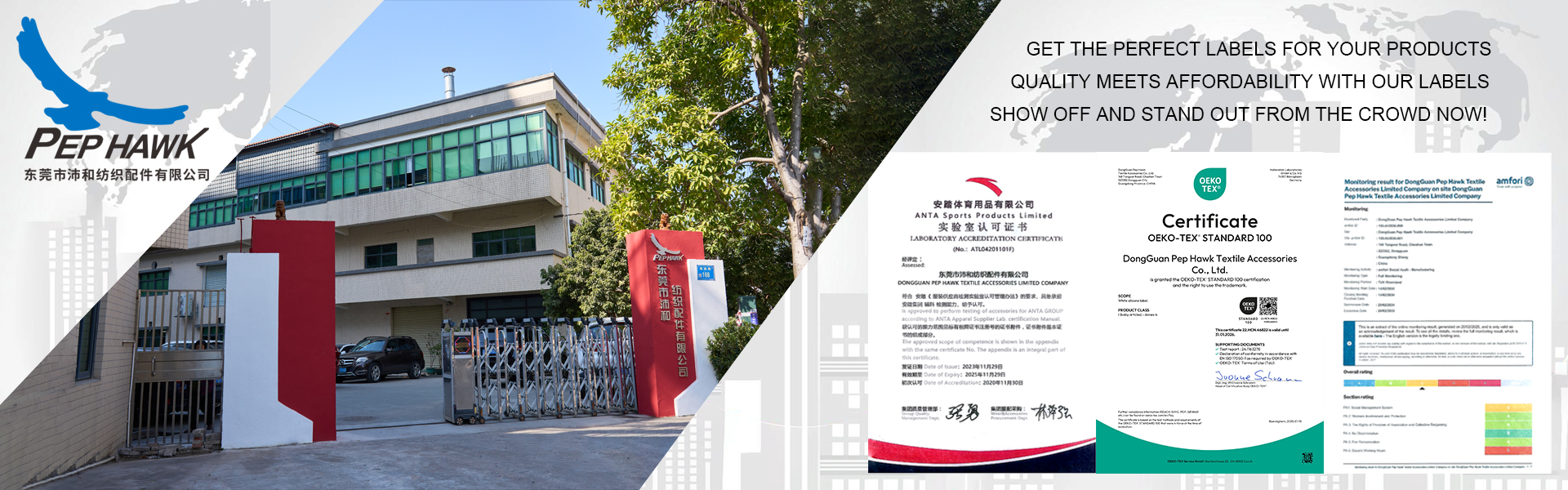
Woven vs. Embroidered Patches: A Comprehensive Guide to Choosing the Right Patch for Your Project
Revolutionizing Apparel Decoration: Why Heat Press Machines Are the Future



