Dye Sublimation Patches: When Do They Actually Fade?
Find out the expected lifespan of dye sublimation prints. Learn key factors that affect their longevity and tips for preserving their vibrant colors.
You invested in vibrant, detailed dye sublimation (dye sub) patches, expecting crisp logos and bold colors to last. Then, after months of use, the reds soften, the blues dull, and the intricate details blur. The core question isn’t if they fade—it’s when and why. Forget vague promises of "permanent" color; understanding the real lifespan of dye sub patches demands confronting the harsh realities of physics, fabric, and usage. Let’s dissect the critical factors that dictate how long your patches truly last, separating marketing hype from tangible durability.
The Myth of "Permanent" Color: Why Dye Sub Isn’t Immortal
Dye sublimation embeds ink into synthetic fibers (primarily polyester) using heat and pressure, creating a bond far superior to surface printing. This process does yield exceptional initial color vibrancy and flexibility, leading many vendors to imply near-indestructibility. The fatal flaw? This bond isn’t magically immune to environmental assault. Unlike embroidery thread physically stitched through fabric, dye sub ink resides within the fiber matrix. While protected from abrasion, it remains vulnerable to the relentless degradation caused by three primary enemies: ultraviolet (UV) radiation, repeated washing, and chemical exposure. Believing dye sub patches last "forever" sets you up for disappointment; their longevity is finite and highly conditional.
Enemy #1: Ultraviolet Radiation – The Silent Color Killer
Sunlight is the single biggest threat to dye sub patch longevity. UV rays possess enough energy to break the chemical bonds holding color molecules (dyes) together. This photodegradation causes irreversible fading:
- Outdoor Exposure: Patches on hats, bags, or uniforms worn daily in direct sun can show noticeable fading in 6-12 months. Intense sunlight in desert or tropical climates accelerates this dramatically—sometimes within 3-6 months. Military personnel or outdoor workers often report significant fading within a year.
- Indoor Exposure: Near windows or under strong artificial lighting (especially UV-emitting fluorescents), fading occurs slower but steadily. Patches on display might retain decent color for 2-5 years, but subtle fading is inevitable.
- The Polyester Factor: While polyester fibers themselves resist UV better than cotton, the dyes embedded within them remain vulnerable. Higher-quality, UV-stabilized dyes slow fading but never stop it. There is no dye sub patch immune to prolonged, direct sunlight.
Enemy #2: Washing & Chemical Exposure – The Cumulative Assault
Every wash cycle subjects patches to mechanical stress (agitation), heat, and harsh chemicals (detergents, bleach, fabric softeners):
- Washing Frequency & Method: Machine washing, especially in hot water with abrasive cycles, is devastating. Patches washed weekly in hot water with standard detergent may show significant fading or distortion in 10-20 washes. Hand washing in cold water with mild detergent drastically extends life—potentially to 50+ gentle washes for high-quality patches.
- Detergent Chemistry: Alkaline detergents and chlorine bleach aggressively attack dye molecules. Even "color-safe" bleach can degrade sublimation dyes over time. Fabric softeners leave residues that can dull the surface.
- Drying Heat: Tumble drying on high heat accelerates dye degradation and can cause polyester fibers (and the embedded dyes) to shrink or distort, leading to cracking or peeling. Air drying is essential for longevity.
Enemy #3: Fabric Choice & Patch Construction – The Foundation Matters
The patch’s base fabric isn’t just a backdrop; it’s the canvas determining dye retention:
- 100% Polyester is Non-Negotiable: Dye sub only bonds effectively with polyester. Patches made on cotton, nylon, or blends will fade catastrophically fast (often within 5-10 washes), as the dye cannot properly bond. Beware of cheap patches using polyester coatings over cotton bases—they fail quickly.
- Fabric Weight & Weave: Thicker, tightly woven polyester (e.g., 200gsm+) offers more fiber mass to hold dye, resisting fading longer than thin, loosely woven fabrics. Cheap, flimsy patches fade faster.
- Backing & Adhesive: Heat-seal or sew-on patches with poor-quality adhesive can peel or bubble with washing/heat, exposing edges to abrasion and accelerating overall failure, even if the dye itself hasn’t fully faded.
Realistic Lifespan Scenarios: Cutting Through the Hype
Forget one-size-fits-all answers. Actual longevity depends entirely on usage:
- Indoor Display (Low Light): 5-10+ years with minimal fading. Ideal for collectibles or framed memorabilia.
- Occasional Wear (e.g., Jacket Patch, Washed 2-3x/year Gently): 3-7 years before noticeable fading occurs.
- Regular Wear (e.g., Work Uniform, Washed Monthly Gently): 1.5-3 years for moderate fading; 2-4 years with meticulous cold hand-washing.
- Daily Outdoor Wear (e.g., Hat/Bag in Sun, Weekly Machine Washes): 6-18 months before significant fading is evident. Harsh sun + frequent washing = rapid decline.
- Military/Outdoor Professional Use (Daily Sun + Frequent Washes): Often under 1 year for noticeable fading, despite high-quality patches.
Maximizing Longevity: Actionable Defense Strategies
You can extend dye sub patch life significantly by fighting the three enemies:
- Banish Sunlight: Store gear indoors. Use UV-protective sprays specifically tested for sublimation (test first!). Rotate items exposed to windows.
- Wash Like It’s Precious: Always turn garments inside out. Use cold water, gentle cycle, mild detergent (no bleach/softeners). Hand wash is best. Air dry flat—never tumble dry.
- Demand 100% Polyester: Verify the patch backing fabric. Avoid blends. Choose thicker, quality polyester bases.
- Choose Quality Dyes & Construction: Reputable manufacturers use higher-grade, more UV-resistant disperse dyes and robust adhesives/backings. Paying slightly more often buys significantly longer life.
The Unavoidable Truth: Fading is Inevitable, But Timelines Vary
Dye sublimation patches offer stunning detail and durability compared to screen printing, but they are not eternal. Their lifespan is a countdown clock started by UV exposure, washing cycles, and environmental stress. Expecting them to look pristine after 5 years of daily outdoor use is unrealistic physics, not a product failure. The key is managing expectations based on your specific use case and implementing rigorous care protocols. If your patches fade within months, scrutinize the fabric (is it truly 100% polyester?), your washing habits, and sun exposure—not just the patch quality. By understanding the relentless forces degrading your dye sub patches, you gain the power to significantly delay the fade and maximize their vibrant service life. The clock is ticking; how you treat them determines how long the colors truly last.
When confronted with the task of producing intricate design drafts of the highest quality, PEPHAWK is here to provide the perfect solution. With over 16 years of industry experience and our esteemed general manager boasting 31 years of expertise in the silicone industry, we are the ultimate choice for tackling your challenging logo design projects. Select PEPHAWK for our unmatched proficiency and rest assured in the impeccable outcomes we consistently deliver.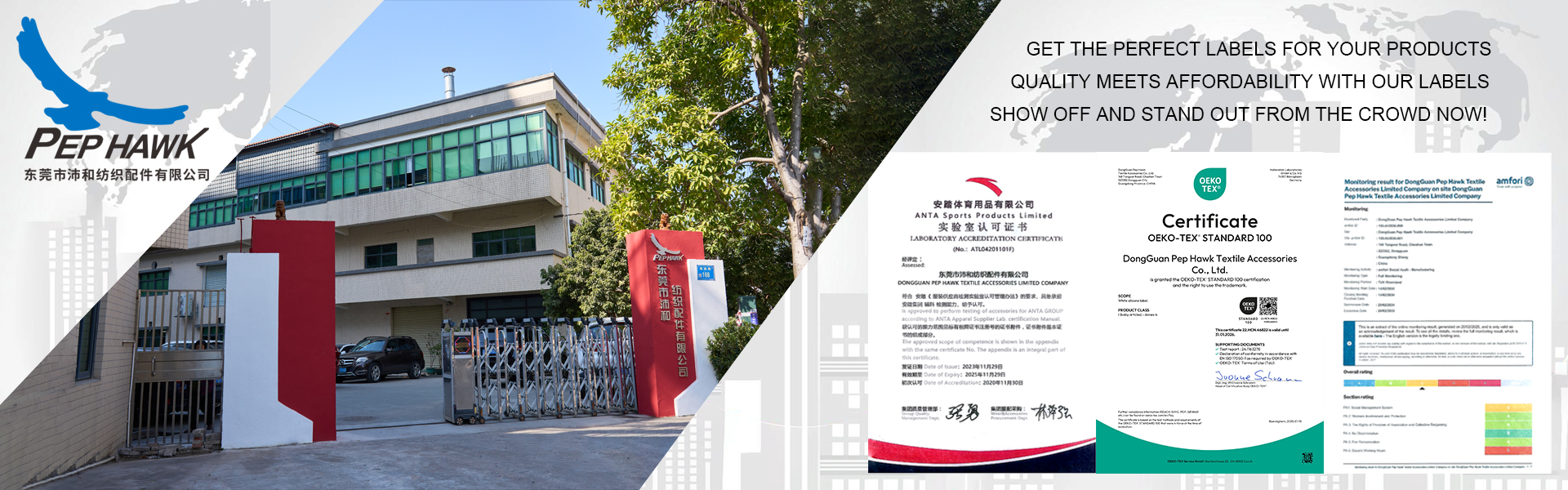
What Is a Print Stitch Patch and Why Does It Matter Today?
Can Flexstyle Patches Transform Your Apparel Decoration?