

Durable Patches Keep Apparel Logos Looking Sharp
2026-07-01
Durable patches transform ordinary apparel logos into long-lasting brand statements that withstand years of wear, washing, and real-world use.
Table of Contents
- Core Construction of Durable Patches for Apparel Logos
- Primary Application Fields for Durable Apparel Logo Patches
- Performance Benefits and Visible Results
- Comparative Advantages Over Alternative Logo Methods
- Testing Standards and Compliance Verification
- Material Options for Different Durability Priorities
- Best Practices for Maximizing Patch Durability
For clothing brands, athletic teams, workwear manufacturers, and fashion labels, the right patch solution turns a simple logo application into a durable identity marker that maintains crisp appearance and strong adhesion through countless cycles of use and cleaning.
Apparel logos serve as the primary visual signature of any brand. When printed or embroidered directly onto fabric, they often fade, crack, peel, or fray after limited exposure to laundering, friction, and environmental stress. Durable patches solve this problem by delivering a reinforced logo application built for extended service life, preserving brand integrity across every garment in a production run.
Core Construction of Durable Patches for Apparel Logos
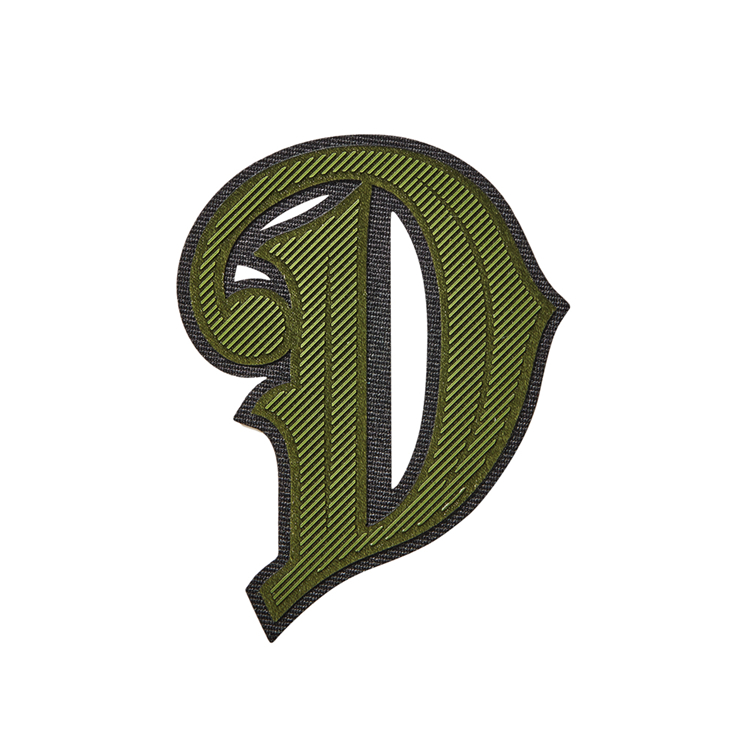
Durable patches for apparel logos combine specialized base materials, advanced bonding layers, and precision manufacturing to create logo emblems that outperform direct printing and standard embroidery. Each patch begins with a robust substrate selected for flexibility, tear resistance, and compatibility with textile surfaces. Common base materials include heavy-duty polyester twill, reinforced PVC, silicone rubber, and high-density woven fabric, each engineered for specific durability profiles.
The logo graphic itself receives multiple protective treatments during production. For woven and embroidered patches, dense stitching with high-tensile thread creates a raised, textured logo surface that resists abrasion. For printed and silicone patches, UV-cured inks and molded polymer layers seal the graphic beneath a protective skin that prevents fading from sunlight and breakdown from detergent exposure.
On the reverse side, durable patches feature industrial-grade adhesive backings formulated for permanent fusion with apparel fabrics. Heat-activated adhesives melt at controlled temperatures and penetrate textile fibers, creating a bond stronger than the fabric itself in many cases. For sew-on applications, reinforced border stitching prevents edge lifting and fraying even when the patch encounters repeated pulling and stretching during wear.
Manufacturers produce durable patches using tightly controlled production parameters that ensure consistent thickness, edge definition, and adhesion strength across every unit. Precision die-cutting delivers clean, uniform borders without loose threads or ragged edges, while quality inspection at each production stage eliminates defects before patches reach the assembly line.
Primary Application Fields for Durable Apparel Logo Patches
Durable patches find use across every segment of the apparel industry where logo longevity matters. Each sector imposes unique demands on logo performance, and durable patch solutions adapt to match specific environmental and functional requirements.
Workwear and Uniform Programs
Industrial workwear, construction uniforms, and service industry garments face constant exposure to dirt, grease, heavy abrasion, and frequent high-temperature washing. Durable patches maintain legible company logos on work shirts, coveralls, jackets, and safety vests through months of rigorous daily use. Industrial laundering processes that would dissolve printed logos or fray thin embroidery leave properly applied durable patches intact and visually sharp.
Athletic and Team Sportswear
Sports uniforms endure intense physical activity, sweat exposure, equipment friction, and weekly laundering. Durable patches on jerseys, tracksuits, training jackets, and team outerwear preserve team crests, sponsor logos, and league branding through full competitive seasons. Players who dive, slide, and make constant contact with surfaces rely on patches that resist peeling and tearing during high-impact play.
Outdoor and Technical Apparel
Hiking jackets, rain gear, ski wear, and tactical clothing operate in harsh outdoor conditions with exposure to sun, moisture, temperature swings, and backpack friction. Durable patches bonded to technical fabrics deliver brand identification that survives trail use, wilderness expeditions, and extreme weather. UV-resistant patch materials prevent logo degradation from prolonged sun exposure at high altitudes and in desert environments.
Fashion and Streetwear Collections
Contemporary fashion and streetwear brands use durable patches as both branding elements and design features. Premium leather jackets, denim garments, hoodies, and accessory pieces incorporate patches as permanent decorative logos that maintain their appearance through years of casual wear. Collectible and limited-edition pieces retain value when logo patches stay in pristine condition over time.
Children's and School Apparel
School uniforms, spirit wear, and children's clothing require exceptionally resilient logo applications because young wearers subject garments to rough play, frequent staining, and heavy washing. Durable patches on school blazers, polo shirts, and backpacks keep school emblems looking neat throughout the academic year despite constant use and regular laundering at high temperatures.
Performance Benefits and Visible Results
Brands that switch to durable patches for apparel logos see measurable improvements in garment presentation, customer satisfaction, and long-term brand consistency. The most immediate result is sustained visual quality across the entire product lifecycle.
Extended Logo Lifespan
While direct screen prints may show cracking after 10 to 20 wash cycles, and standard embroidery can begin fraying after 30 to 40 washes, properly applied durable patches maintain full visual integrity through 50, 80, or even 100+ wash cycles. This extended lifespan means branded apparel continues to represent the brand professionally for the full usable life of each garment, rather than looking worn and faded halfway through its service period.
Consistent Brand Presentation
Durable patches deliver uniform logo appearance across every size, color, and fabric variant in a product line. Unlike direct printing, which can shift in color and clarity depending on fabric dye and texture, patches are produced to exact color specifications and then applied consistently across all garments. This uniformity strengthens brand recognition and creates a polished, professional look across entire uniform programs and retail collections.
Reduced Garment Rejection and Returns
When logos fail prematurely, brands face returns, replacements, and customer dissatisfaction. Durable patches eliminate most logo-related product failures, cutting warranty claims and reducing the need for early uniform replacement. For corporate uniform programs, this translates to lower long-term program costs and fewer complaints from staff about worn-out branding.
Enhanced Perceived Product Value
Consumers associate durable, well-executed logo patches with higher garment quality. A garment featuring a clean, substantial logo patch reads as more premium than an identical garment with a thin printed logo. This perceived value supports higher price points, improves brand reputation, and encourages repeat purchases from customers who recognize and appreciate the attention to durability.
Design Flexibility and Detail Reproduction
Advanced durable patch production reproduces fine logo details, gradient transitions, and intricate artwork that would be impossible with traditional embroidery alone. Brands with complex crests, multicolor gradients, or tiny text elements achieve accurate logo representation without losing clarity. Photographic details, small lettering, and precise color matching all become achievable within a durable patch format.
Comparative Advantages Over Alternative Logo Methods
Durable patches hold distinct advantages over the three most common apparel logo application methods: direct screen printing, direct-to-garment printing, and standard embroidery. Understanding these differences helps brands select the right logo solution for each product category.
|
Feature
|
Durable Patches
|
Screen Printing
|
Direct-to-Garment Print
|
Standard Embroidery
|
|
Wash durability
|
50–100+ cycles
|
10–30 cycles
|
20–40 cycles
|
30–50 cycles
|
|
Abrasion resistance
|
Excellent
|
Poor
|
Fair
|
Good
|
|
Fine detail reproduction
|
High
|
Medium
|
High
|
Low
|
|
Gradient and photo capability
|
Yes
|
Limited
|
Yes
|
No
|
|
Application consistency
|
Uniform across fabrics
|
Varies by fabric
|
Varies by fabric
|
Varies by fabric
|
|
3D / raised effect
|
Available
|
No
|
No
|
Available
|
|
Setup cost per design
|
Moderate
|
Low
|
Low
|
High
|
|
Suitability for small runs
|
Good
|
Poor
|
Excellent
|
Fair
|
|
UV fade resistance
|
Excellent
|
Fair
|
Poor
|
Good
|
The most significant advantage appears in combined stress scenarios. A printed logo might survive gentle washing but fails quickly with abrasion. Embroidery resists abrasion but cannot reproduce fine details and may cause fabric puckering. Durable patches deliver high performance across all stress categories simultaneously, making them the most versatile solution for apparel that encounters real-world wear.
Another key advantage is fabric compatibility. Delicate fabrics, stretch materials, and waterproof membranes can be damaged by direct printing chemicals or embroidery needle penetration. Durable patches apply to the surface without compromising the base fabric structure, preserving the technical properties of performance textiles while adding the logo element.
Testing Standards and Compliance Verification
Reliable durable patches for apparel logos undergo rigorous laboratory testing to validate performance claims. Reputable manufacturers test against recognized industry standards to ensure patches meet minimum durability thresholds before entering production.
Laundering Durability Testing
Wash testing follows standardized procedures that simulate years of home or industrial laundering in a compressed timeframe. Testers run repeated wash cycles at specified temperatures, using standard detergent and drying procedures, then inspect patches for adhesion loss, edge lifting, color bleeding, and visual degradation.
|
Test Parameter
|
Common Test Standard
|
Typical Pass Requirement for Durable Patches
|
|
Domestic laundering
|
ISO 6330 / AATCC 61
|
No lifting or significant fading after 50 cycles at 40°C
|
|
Industrial laundering
|
ISO 15797
|
No delamination after 30 cycles at 60°C with bleach
|
|
Tumble drying resistance
|
ISO 6330 Procedure
|
No edge curl or adhesive breakdown after 50 drying cycles
|
|
Colorfastness to washing
|
ISO 105-C06
|
Grayscale rating of 4 or higher for staining and fading
|
Abrasion and Physical Durability Testing
Abrasion testing measures how well patches withstand surface friction during wear. The Martindale abrasion test rubs the patch surface with a standard abrasive material for thousands of cycles, while the Wyzenbeek method uses a reciprocating motion. Patches rated for heavy-duty use typically survive 20,000+ abrasion cycles without significant surface wear or graphic damage.
Tensile and peel strength testing quantifies the bond between patch and fabric. Testers measure the force required to peel a patch from the substrate, with results reported in newtons per centimeter. High-quality durable patches achieve peel strengths exceeding the tear strength of the base fabric, meaning the fabric will tear before the patch detaches.
Additional physical tests include flex resistance, which repeatedly bends the patch to simulate garment movement, and low-temperature flexibility testing for cold-climate applications. Good durable patches remain flexible and crack-free even at temperatures well below freezing.
Environmental and Chemical Resistance Testing
|
Test Type
|
Evaluation Criteria
|
Typical Performance Level
|
|
UV light exposure
|
Color fade and material degradation after 100+ hours
|
Color change ΔE < 3.0
|
|
Chlorine / bleach resistance
|
Color retention and material integrity
|
Minimal fading after standard exposure
|
|
Perspiration resistance
|
Color transfer and adhesion loss
|
No bleeding or lifting
|
|
Dry cleaning solvent resistance
|
Adhesion and appearance after cycles
|
No softening or delamination
|
Safety and Substance Compliance
Durable patches intended for global apparel distribution must meet international substance regulations. Leading manufacturers produce patches free of restricted substances including lead, phthalates, AZO dyes, and formaldehyde, in compliance with REACH, CPSIA, and OEKO-TEX standards. Children's apparel patches undergo additional testing to meet stricter safety thresholds for young wearers.
Material Options for Different Durability Priorities
Not all durable patches use the same construction. Brands select patch materials based on the primary stressors their apparel will face, balancing durability, feel, appearance, and cost.
Woven patches offer exceptional durability with a classic textile feel. The dense woven construction resists fraying and holds color well through repeated washing, making woven patches a longstanding favorite for uniform programs and heritage brands. They work particularly well for logos with clean lines and limited color palettes.
Embroidered patches deliver a premium, textured appearance with good durability. High-density embroidery with quality thread creates a raised logo that stands out visually. While not as abrasion-resistant as solid polymer patches, embroidered options remain highly durable for most casual and corporate apparel applications.
PVC and rubber patches provide maximum resistance to water, chemicals, and rough handling. These fully molded patches are completely waterproof, easy to wipe clean, and nearly impossible to tear. Workwear, outdoor gear, and tactical apparel benefit most from the extreme ruggedness of rubber-based durable patches.
Silicone patches offer a modern, soft-touch finish with excellent flexibility and stretch recovery. They bond well to performance fabrics and athletic wear, maintaining adhesion even when the garment stretches significantly during movement. Silicone patches also provide a subtle non-slip surface that can add functional benefit to collar and waistband locations.
Sublimated patches use dye-sublimation printing on a reinforced polyester base to deliver photographic-quality graphics inside a durable format. The dye penetrates the fabric fibers rather than sitting on the surface, eliminating cracking and peeling of the printed layer. Sublimated durable patches excel at reproducing complex logos with gradients and fine detail.
Best Practices for Maximizing Patch Durability
Even the highest-quality durable patches deliver full performance only when applied correctly. Following established application guidelines ensures the strongest possible bond and longest logo service life.
Heat application requires precise temperature, pressure, and dwell time settings calibrated to the specific patch adhesive and garment fabric. Most durable patches activate between 140°C and 165°C with medium to high pressure for 10 to 20 seconds. Application from both the front and reverse side improves adhesive penetration and creates a more uniform bond.
Sewn application provides additional mechanical security for patches on high-stress garments. A combination of heat adhesive plus perimeter stitching delivers the ultimate durability for workwear and athletic uniforms that face extreme conditions. The adhesive holds the patch flat while the stitching prevents any possibility of edge lifting over time.
Proper storage of unused patches preserves adhesive freshness before application. Patches should remain in sealed packaging at room temperature, away from direct sunlight and moisture, to prevent premature drying of the adhesive layer. Most patch adhesives maintain full potency for 12 to 18 months under proper storage conditions.
For end users, care instructions that recommend washing inside out, using mild detergent, and avoiding high-heat drying will extend patch life even further. While durable patches withstand harsh treatment, reasonable garment care always extends the appearance of any logo application.
Selecting durable patches for apparel logos represents an investment in long-term brand presentation. While initial per-unit cost may exceed basic printing, the extended service life, reduced replacement rates, and improved brand perception deliver a strong return over the product lifecycle.
Brands evaluating patch suppliers should request physical samples for in-house wash and wear testing rather than relying solely on specification sheets. Testing patches on the exact fabrics used in production reveals real-world performance that data sheets alone cannot fully communicate.
Production minimums, lead times, color matching accuracy, and custom shape capabilities all factor into the final supplier decision. The best durable patch partners offer engineering support during the design phase, helping brands optimize logo artwork for maximum durability and manufacturing efficiency.
Durable patches continue to advance with new material formulations, improved adhesives, and enhanced production techniques. Modern patches are lighter, more flexible, and more eco-friendly than earlier generations while delivering greater durability than ever before. For any apparel brand serious about logo longevity, durable patches remain the most reliable solution for creating logos that last as long as the garments they adorn.
Whether outfitting a workforce, equipping an athletic team, or building a retail collection, durable apparel logo patches deliver consistent, professional brand presentation that stands up to real use and keeps every garment looking its best for years.
Quality Patches for Jeans Highlight Your Unique Logo
Soccer Patches Elevate Every Jersey and Fan Collection




SEND MESSAGE