

Different Types of Patches: Classification, Features and Applications
2026-03-05
Table of Contents
Patches serve multiple core functions, including decoration, branding, identification, and protection, and can be found on clothing, bags, hats, uniforms, sportswear, and various equipment.
Understanding the different types of patches, their characteristics, and applicable scenarios is crucial for selecting the right patch for specific needs. This article will detail the common types of patches, classify them by craft, material, and attachment method, and provide a comprehensive comparison to help readers make informed choices.
1. Classification of Patches by Craft and Material
The most common classification of patches is based on their production craft and raw materials. Different crafts and materials determine the patch’s appearance, texture, durability, and applicable scenarios. Below are the most widely used types of patches in the market.
1.1 Embroidered Patches
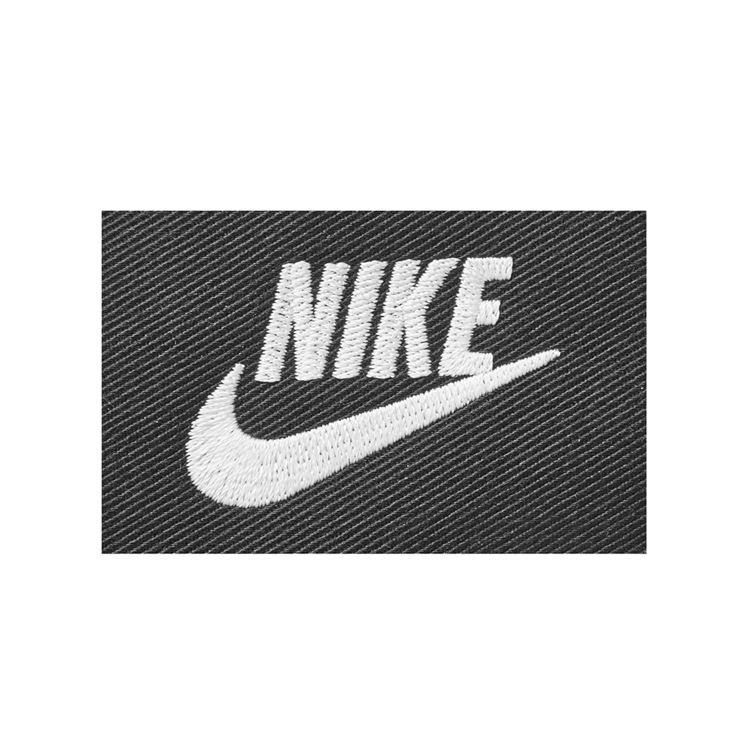
Embroidered patches are one of the most traditional and popular types. They are made by stitching threads onto a base fabric (such as cotton, polyester, or felt) using embroidery machines or hand stitching, creating a three-dimensional and textured effect.
| Feature | Details |
|---|---|
| Texture | Thick, three-dimensional, with obvious thread texture |
| Durability | Highly durable, resistant to washing and wear, not easy to fade |
| Advantages | Classic appearance, strong sense of hierarchy, suitable for various formal and casual occasions |
| Typical Uses | Brand logos, team badges, military uniforms, school uniforms, denim jackets |
Embroidered patches are ideal for brands that want to convey a classic and professional image. They work well with thick fabrics like denim, canvas, and wool, and can be customized with complex patterns and multiple colors.
1.2 Woven Patches
Woven patches are produced using a weaving process, where threads are interlaced to form patterns directly on the base fabric. Unlike embroidered patches, they have a flat and smooth surface, with clearer and more delicate details.
| Feature | Details |
|---|---|
| Texture | Flat, smooth, with fine and clear patterns |
| Detail Presentation | Better than embroidered patches, suitable for small logos and delicate patterns with fine lines |
| Advantages | Sleek appearance, not easy to deform, light weight |
| Typical Uses | High-end clothing, brand logos, medical uniforms, corporate souvenirs |

Woven patches are often chosen by high-end brands due to their delicate appearance. They are suitable for light and thin fabrics like silk, cotton, and polyester, as they do not add extra thickness to the garment.
1.3 PVC/Rubber Patches
PVC (polyvinyl chloride) or rubber patches are made by molding PVC or rubber materials into specific shapes and patterns. They have a soft, three-dimensional texture and are known for their waterproof and durable properties.
| Feature | Details |
|---|---|
| Texture | Soft, elastic, three-dimensional, with a smooth or matte surface |
| Waterproof Performance | Completely waterproof, washable, and resistant to moisture and oil |
| Advantages | Long-lasting, not easy to fade or wear, can be made into various irregular shapes |
| Typical Uses | Outdoor wear, casual clothing, sports equipment, bags, children’s clothing |

PVC/rubber patches are perfect for outdoor and casual products, as they can withstand harsh environments. They are also popular in children’s clothing because of their soft texture and safety.
1.4 Chenille Patches
Chenille patches, also known as "fluffy patches", are made of chenille yarn, which gives them a soft, fluffy, and vintage appearance. They are often used to create bold and eye-catching patterns.
| Feature | Details |
|---|---|
| Texture | Soft, fluffy, thick, with a vintage and playful feel |
| Style | Vintage, retro, suitable for creating a casual and lively atmosphere |
| Advantages | Unique appearance, strong visual impact, comfortable to touch |
| Typical Uses | Varsity jackets, hoodies, fashion apparel, school souvenirs, cartoon-themed products |

Chenille patches are widely used in youth fashion and campus culture. Their fluffy texture adds a sense of warmth and playfulness to clothing, making them popular among young people.
1.5 Printed Patches
Printed patches are made using digital printing or screen printing technology, where patterns and colors are directly printed onto the base fabric. They are known for their rich colors and ability to reproduce complex images.
| Feature | Details |
|---|---|
| Color Performance | Rich and bright colors, can reproduce complex patterns, gradients, and photos |
| Texture | Flat, thin, no three-dimensional effect, same thickness as the base fabric |
| Advantages | Low cost for large quantities, fast production speed, high pattern accuracy |
| Typical Uses | Promotional clothing, event souvenirs, mass-produced casual wear, custom photo patches |

Printed patches are suitable for brands that need to produce a large number of patches at a low cost, especially those with complex patterns or gradient colors. However, they are less durable than embroidered or PVC patches and may fade after multiple washes.
1.6 Reflective Patches
Reflective patches are made of reflective materials, which can reflect light in dark environments, improving visibility and safety. They are widely used in workwear and outdoor gear.
| Feature | Details |
|---|---|
| Visibility | High visibility in dark or low-light environments, can reflect light from headlights, flashlights, etc. |
| Durability | Waterproof, wear-resistant, and resistant to fading, suitable for harsh outdoor environments |
| Advantages | Improves safety, easy to recognize, suitable for night work or outdoor activities |
| Typical Uses | Work uniforms (construction, traffic, security), outdoor gear, cycling clothing, children’s safety clothing |

Reflective patches are essential for safety-related products. They can be combined with other types of patches (such as embroidered or printed patches) to achieve both safety and decorative effects.
1.7 Leather/Faux Leather Patches
Leather or faux leather patches are made of genuine leather or artificial leather, with a premium and minimalist texture. They are often used in high-end clothing and accessories to enhance the product’s quality.
| Feature | Details |
|---|---|
| Texture | Premium, smooth, with a natural leather grain (genuine leather) or simulated texture (faux leather) |
| Customization | Can be debossed, embossed, or hot-stamped with logos or patterns |
| Advantages | High-end appearance, durable, easy to clean, suitable for minimalist styles |
| Typical Uses | Denim jackets, leather bags, high-end casual wear, luxury accessories |

Leather/faux leather patches are favored by high-end brands for their premium texture. Faux leather patches are more affordable and environmentally friendly than genuine leather patches, making them a popular alternative.
2. Classification of Patches by Attachment Method
In addition to classification by craft and material, patches can also be divided into different types according to their attachment method. The choice of attachment method depends on the patch’s material, the garment’s fabric, and the user’s needs.
| Attachment Method | Operation Difficulty | Durability | Applicable Scenarios |
|---|---|---|---|
| Iron-on Patches | Easy (no sewing required, just iron with high temperature) | Medium (may fall off after multiple washes) | Casual clothing, temporary use, non-thick fabrics |
| Sew-on Patches | Medium (requires sewing by hand or machine) | High (most durable, not easy to fall off) | Uniforms, thick fabrics (denim, canvas), long-term use |
| Self-adhesive Patches | Very easy (peel off the back and stick) | Low (temporary, not washable) | Temporary decoration, promotional products, non-washable items |
| Velcro Patches | Easy (attach the two sides of Velcro to the patch and garment) | Medium to high (reusable, easy to replace) | Military uniforms, workwear, items that need frequent patch replacement |
Iron-on and self-adhesive patches are suitable for users who want to attach patches quickly and easily, while sew-on and Velcro patches are more suitable for long-term use or scenarios that require frequent patch replacement.
3. Key Features Comparison and Application Suggestions
To help users select the most suitable patch, the following table summarizes the key features of different types of patches and provides targeted application suggestions.
| Patch Type | Durability | Cost | Style | Washing Resistance | Application Suggestions |
|---|---|---|---|---|---|
| Embroidered | High | Medium | Classic, 3D | High | Brands, teams, uniforms, casual wear |
| Woven | High | Medium to High | Sleek, delicate | High | High-end clothing, small logos, formal wear |
| PVC/Rubber | Very High | Medium | Soft, 3D, casual | Very High | Outdoor wear, casual clothing, children’s products |
| Chenille | Medium | Medium | Vintage, fluffy | Medium | Varsity jackets, youth fashion, campus products |
| Printed | Medium to Low | Low | Colorful, complex | Medium | Mass production, promotional products, complex patterns |
| Reflective | High | Medium | Functional, practical | High | Safety workwear, outdoor gear, night activities |
| Leather/Faux Leather | High | Medium to High | Premium, minimalist | High | High-end clothing, bags, luxury accessories |
When selecting a patch, it is necessary to comprehensively consider factors such as the product’s positioning, use scenario, budget, and fabric. For example, if you need a patch for a high-end brand’s denim jacket, leather or embroidered patches are ideal; if you need a large number of patches for promotional activities, printed patches are more cost-effective; if safety is a priority, reflective patches are the best choice.
4. Conclusion
Patches are diverse in types and functions, and each type has its own unique characteristics and applicable scenarios. From traditional embroidered patches to modern PVC patches, from functional reflective patches to premium leather patches, they play an important role in decoration, branding, and safety.
With the development of customization technology, patches are becoming more and more personalized and diversified. More and more brands and individuals are using custom patches to show their personality and brand image. Understanding the different types of patches and their features can help you make the best choice and give full play to the role of patches in various fields.
Whether you are a brand looking for a way to enhance your image, an individual who wants to decorate your clothing, or a business that needs functional patches for workwear, there is a suitable type of patch to meet your needs.
Velcro Backpack Patches: The Fun, Easy Hack to Make Your Bag One-of-a-Kind
Iron On Patches for Jeans: Fix & Style in Minutes




SEND MESSAGE