

Tips for Choosing the Right Die Cut Decal
2025-01-11
Find the perfect die cut decals to express your creativity. Our selection offers endless possibilities for customization and decoration. Browse our range now!
Die cut decals are a versatile and eye-catching way to promote your brand, label products, or add a personal touch to various surfaces. Whether you're a business owner looking to enhance your marketing efforts or an individual seeking to customize your belongings, choosing the right die cut decal is crucial for achieving the desired effect. This article will provide you with essential tips and considerations to help you select the perfect die cut decal for your needs.
Understanding Die Cut Decals
Die cut decals are decals that are cut into a specific shape or design, rather than being rectangular or square. They are created using a die cutting machine, which precisely cuts the design out of a sheet of material, such as vinyl, paper, or fabric. The result is a custom-shaped decal that can be applied to a wide range of surfaces, including windows, walls, vehicles, and more.
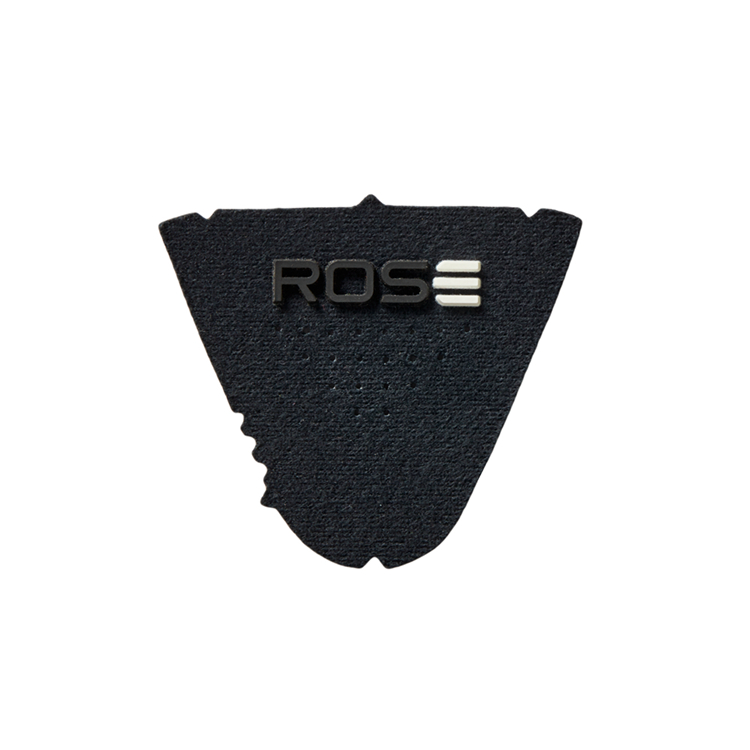
Tips for Choosing the Right Die Cut Decal
1. Define Your Purpose
Before you start searching for a die cut decal, clearly define the purpose of the decal. Are you using it for branding and marketing, to label products, or to decorate and personalize items? Understanding the purpose will help you determine the size, shape, and design elements that are most appropriate for your needs.
2. Consider the Surface
The surface on which you plan to apply the decal is a critical factor. Different materials require different types of decals. For example:
-
Smooth Surfaces: If you're applying the decal to a smooth surface like glass, metal, or plastic, a standard vinyl decal will work well. These surfaces provide a flat and even area for the decal to adhere to, ensuring a clean and professional look.
-
Textured Surfaces: For textured surfaces like brick, stucco, or rough wood, consider using a thicker vinyl or a fabric decal. These materials can better conform to the texture of the surface, providing a more secure and long-lasting bond.
-
Curved Surfaces: Decals for curved surfaces, such as vehicle bodies or cylindrical objects, should be made from a flexible material that can stretch and bend without losing its adhesive properties. A high-quality cast vinyl is often the best choice for these applications.
3. Choose the Right Material
The material of the decal affects its durability, appearance, and application. Common materials include:
-
Vinyl: Vinyl is the most popular material for die cut decals due to its durability, weather resistance, and versatility. It comes in various types, such as calendered vinyl (more economical) and cast vinyl (more durable and flexible). Cast vinyl is particularly suitable for outdoor use and can last up to 7-10 years.
-
Paper: Paper decals are more affordable and are suitable for indoor use or short-term applications. They are not as durable as vinyl and can be damaged by moisture and UV light.
-
Fabric: Fabric decals are a great choice for textile applications, such as clothing, bags, and upholstery. They provide a soft and flexible feel and can be washed and worn without peeling or fading.
4. Select the Appropriate Adhesive
The adhesive used in the decal should be appropriate for the intended use and surface. There are two main types of adhesives:
-
Permanent Adhesive: As the name suggests, permanent adhesive is designed to provide a long-lasting bond. It is suitable for applications where the decal will not be removed frequently. However, removing a permanent decal can be challenging and may leave residue on the surface.
-
Removable Adhesive: Removable adhesive allows for easy application and removal of the decal without leaving residue. It is ideal for temporary applications, such as promotional events or seasonal decorations. However, removable adhesive may not be as durable as permanent adhesive and may lose its stickiness over time.
5. Design and Customization
The design of your die cut decal should effectively communicate your message and align with your brand identity. Consider the following when designing your decal:
-
Simplicity: A simple design is often more effective and easier to read from a distance. Avoid cluttering the decal with too much text or complex graphics.
-
Color: Choose colors that are eye-catching and appropriate for your brand. Bright colors like red, yellow, and orange are great for grabbing attention, while cooler colors like blue and green can convey a sense of professionalism and trust.
-
Font: Select a font that is easy to read and complements the overall design. Sans-serif fonts are generally more modern and clean, while serif fonts can add a touch of elegance and tradition.
-
Custom Shapes: One of the advantages of die cut decals is the ability to create custom shapes. Use this feature to make your decal stand out and better represent your brand or message.
6. Size and Placement
The size and placement of the decal are important for its effectiveness. Consider the following:
-
Size: The size of the decal should be appropriate for the surface and the intended message. A larger decal can be seen from a greater distance and is more likely to grab attention, but it should not overwhelm the surface or other design elements.
-
Placement: Choose a placement that is visible and appropriate for the intended audience. For vehicle decals, the rear window or side doors are common placements. For wall decals, consider the height and location to ensure maximum visibility and impact.
7. Durability and Weather Resistance
If your decal will be exposed to outdoor elements, it's essential to choose a material and adhesive that are weather-resistant. UV-resistant inks and materials can prevent fading and degradation caused by sunlight. Additionally, a protective laminate can be applied to the decal to enhance its durability and resistance to scratches and chemicals.

8. Brand and Quality
When purchasing die cut decals, choose a reputable brand or supplier. High-quality decals are more likely to adhere well, resist fading, and last longer. Look for reviews and recommendations from other customers to ensure you are getting a product that meets your expectations.
9. Test Before Full Production
If you are ordering a large quantity of die cut decals, consider requesting a sample or a small batch first. This allows you to test the decal on the intended surface and ensure that the design, material, and adhesive meet your requirements. It can also help you identify any potential issues before committing to a large order.
10. Care and Maintenance
To ensure the longevity of your die cut decals, follow proper care and maintenance guidelines:
-
Cleaning: Clean the surface of the decal gently with a soft cloth and mild soap. Avoid using abrasive materials or harsh chemicals that can damage the decal.
-
Protection: Apply a clear protective spray or laminate to outdoor decals to enhance their resistance to UV light and weather.
-
Removal: If you need to remove the decal, use a hairdryer to heat the adhesive and gently peel the decal off. For any remaining residue, use a residue remover or rubbing alcohol to clean the surface.
Case Studies: Successful Use of Die Cut Decals
1. Coca-Cola
Coca-Cola frequently uses die cut decals for promotional campaigns and events. Their decals feature the iconic Coca-Cola logo and are applied to a variety of surfaces, including coolers, promotional vehicles, and retail displays. The decals are designed to be eye-catching and durable, ensuring that the brand's message is effectively communicated to consumers.
2. Red Bull
Red Bull is known for its high-energy branding and marketing efforts. Die cut decals play a significant role in their promotional strategy, with decals applied to energy drinks, promotional merchandise, and event spaces. The decals are designed to be vibrant and attention-grabbing, aligning with the brand's energetic and adventurous personality.
Conclusion
Choosing the right die cut decal involves considering several factors, including the purpose, surface, material, adhesive, design, size, placement, durability, and brand quality. By following the tips outlined in this article, you can select a die cut decal that effectively communicates your message, enhances your brand identity, and stands the test of time. Whether you're promoting a business, labeling products, or personalizing items, a well-chosen die cut decal can make a significant impact and leave a lasting impression on your audience. Invest time and effort in selecting the right decal, and you will reap the benefits in terms of visibility, recognition, and engagement.
The Unseen Shoulder Labels of Brand Identity and Product Information
Budget-Friendly Logo Design Tools You Should Try




SEND MESSAGE