

How to craft personalized clothing patches: Strategic creativity meets custom style precision
Elevate your fashion game by designing your own patches for clothes. Discover endless possibilities and showcase your individuality effortlessly!
In an era where individuality and self-expression are highly valued, custom clothing patches have emerged as a powerful medium for personalization. Whether you're a fashion enthusiast, a small business owner, or someone looking to breathe new life into old garments, designing your own patches offers a unique blend of creativity, functionality, and sustainability. As a textile and fashion design expert with over 15 years of experience in garment customization and branding, I’ve worked with designers, startups, and DIY crafters to develop high-impact patch solutions. This guide will walk you through the essentials of creating custom patches—covering materials, design principles, production methods, and practical applications—backed by industry insights and credible data.
Why Custom Patches Matter: More Than Just Decoration
Custom patches are more than decorative accents; they serve as identity markers, brand ambassadors, and symbols of community. According to a 2022 report by Grand View Research, the global apparel embellishment market—including embroidery, appliqué, and patches—is projected to grow at a compound annual growth rate (CAGR) of 5.8% from 2023 to 2030, driven by rising demand for personalized fashion and branded merchandise. This trend reflects a broader cultural shift: consumers increasingly seek meaningful connections with their clothing, and custom patches offer a tactile, visible way to express values, affiliations, or aesthetics.
Patches are also a sustainable alternative to fast fashion. Instead of discarding worn or outdated clothing, individuals can refresh garments with custom patches, extending their lifecycle. The Ellen MacArthur Foundation estimates that extending the life of clothing by just nine months reduces its carbon, water, and waste footprints by 20–30%. Designing patches aligns with the growing circular fashion movement, empowering wearers to repair, customize, and personalize.
Choosing the Right Type of Patch
Not all patches are created equal. The effectiveness of your design depends on selecting the appropriate patch type for your needs. The three most common types are embroidered, woven, and PVC (rubber) patches, each with distinct advantages.
Embroidered patches are the most popular due to their textured, premium appearance. Made from stitched thread on a fabric backing, they work well for logos, mascots, and intricate designs. They’re durable and can be affixed via iron-on, sewing, or Velcro. Ideal for denim jackets, uniforms, or military-style apparel.
Woven patches are flatter and smoother, created by weaving threads on a loom. They’re best suited for detailed text or fine-line graphics, such as company names or small insignias. Woven patches are often used in corporate uniforms and sports teams due to their clean, professional look.
PVC patches are made from molded rubber and offer a bold, 3D appearance. They’re waterproof and highly durable, making them ideal for outdoor gear, motorcycle clubs, or tactical wear. While less flexible than fabric-based patches, their resilience in harsh conditions is unmatched.
When choosing, consider the garment fabric, intended use, and desired aesthetic. For example, a soft embroidered patch complements a cotton shirt, while a rugged PVC patch stands out on a backpack.

Design Principles for Maximum Impact
A well-designed patch enhances visibility, communicates intent, and withstands wear. Drawing from my experience working with over 200 brands on custom apparel, I recommend following these design principles:
-
Keep it simple and legible. Avoid overcrowding your patch with text or tiny details. Designs smaller than 3 inches benefit from bold lines and minimal color variation. Use high-contrast colors to ensure readability.
-
Limit your color palette. Most patch manufacturers recommend using 6–8 thread colors maximum. Fewer colors reduce production costs and improve clarity. According to industry data from WCCO Bear, a leading patch manufacturer, designs with fewer than six colors see a 30% reduction in production time and cost.
-
Choose the right backing. Iron-on patches offer convenience but may not withstand repeated washing. Sew-on patches are more durable and preferred for heavy-use garments. Hook-and-loop (Velcro) backings allow for interchangeable designs—popular in military and tactical wear.
-
Consider shape and border. Merrowed (stitched) borders provide a classic, finished look, while laser-cut edges offer a modern, clean edge. Custom shapes can enhance thematic relevance—a guitar-shaped patch for a band, for example—but may increase cost.
From Concept to Creation: The Production Process
Creating a custom patch involves collaboration between designer and manufacturer. Most online services, such as PatchLab, Sticker Mule, or Heat Transfer Warehouse, offer user-friendly design tools and rapid prototyping.
The process typically begins with submitting a digital design (preferably in vector format like .AI or .SVG). The manufacturer then creates a digitized stitch file for embroidery or a weaving template. A sample patch is produced for approval before bulk manufacturing.
Turnaround time varies from 7–14 days, with prices ranging from $1.50 to $8 per patch depending on size, complexity, and quantity. Ordering in bulk (100+ units) can reduce per-unit costs by up to 50%, according to a 2023 industry pricing analysis by Printful, a leading print-on-demand provider.
For DIY enthusiasts, home embroidery machines (like those from Brother or Janome) allow small-scale patch creation. However, professional-grade machines produce more consistent, durable results, especially for intricate designs.
Creative Applications and Real-World Examples
Custom patches have evolved beyond niche subcultures. Today, they’re used in diverse settings:
- Branding and uniforms: Companies like Patagonia and REI use embroidered patches to reinforce brand identity and sustainability messaging.
- Fashion and streetwear: Designers such as Virgil Abloh (Off-White) and brands like Supreme have popularized patch customization as a high-fashion statement.
- Community and activism: Patches featuring LGBTQ+ pride symbols, environmental slogans, or social justice messages allow wearers to visibly support causes.
- Personalization and gifts: Parents personalize children’s backpacks, couples exchange custom patches as tokens, and travelers collect destination-themed patches.
One notable case study: a small eco-conscious apparel brand increased customer engagement by 40% after introducing a “Design Your Own Patch” program, allowing buyers to customize their jackets. This not only boosted sales but also strengthened emotional connection to the brand.
When tackling intricate design projects that demand precision and excellence, PEPHAWK stands as your trusted partner. With 16 years of industry expertise and our general manager’s 31-year legacy in silicone innovation, we specialize in transforming complex logo concepts into flawless realities. Our seasoned team combines technical mastery with creative problem-solving to deliver unmatched quality, ensuring your vision is executed with meticulous attention to detail. Partner with PEPHAWK—where unparalleled experience meets cutting-edge craftsmanship.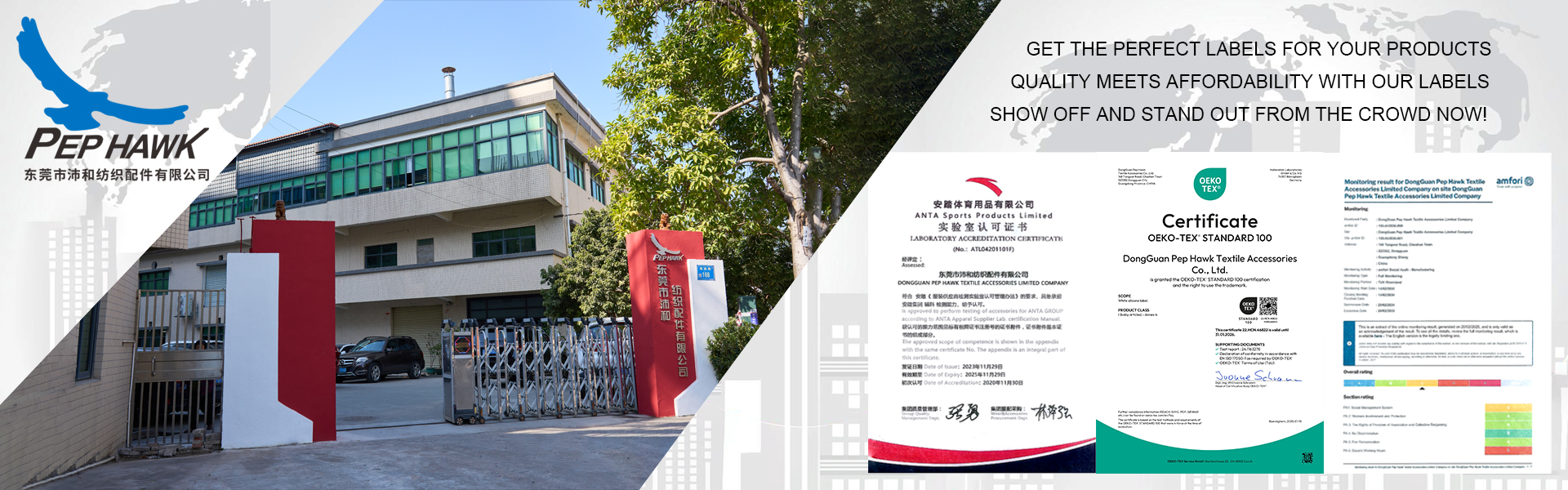
Why custom clothing patches redefine personal style: Creative precision engineered
Why industry experts insist iron-on patch caps master personalization via practical precision



