Decorative Clothing Patches: Craft, Customization & Styling Excellence
- 1.An Overview of Decorative Clothing Patches
- 2.Common Types of Decorative Clothing Patches
- 3.Materials and Craftsmanship of Decorative Patches
- 4.Fixing Methods for Decorative Clothing Patches
- 5.Versatile Applications of Decorative Clothing Patches
- 6.Customization of Decorative Clothing Patches
- 7.How to Choose and Care for Decorative Clothing Patches
- 8.Industry Trends and Future of Decorative Clothing Patches
- ✓Conclusion
Decorative clothing patches have evolved far beyond simple accessories; they have become a versatile tool for personal expression, fashion enhancement, and functional decoration.
In today’s fashion landscape, these patches are favored by individuals, designers, and businesses alike, offering an affordable and flexible way to refresh apparel, convey personality, or strengthen brand identity.
As the demand for personalized and unique fashion grows, decorative patches have gained widespread popularity across different age groups and industries. From casual streetwear to high-end apparel, from DIY enthusiasts to corporate merchandising, these small but impactful decorations continue to shape modern fashion trends. This article explores the world of decorative clothing patches, covering their types, craftsmanship, applications, customization, and future trends, with detailed comparisons to help readers understand and utilize them effectively.
1. An Overview of Decorative Clothing Patches
A decorative clothing patch is a piece of fabric, synthetic material, or leather that is designed to be attached to clothing, bags, hats, or other accessories for decorative or functional purposes. Unlike traditional patches used for uniforms or insignias, modern decorative patches focus on aesthetics, versatility, and personalization.
Their core value lies in their ability to transform ordinary items into unique pieces without the need for expensive tailoring or redesign. Whether used to cover small stains, upgrade old clothing, or add a personal touch to new items, decorative patches offer a cost-effective and creative solution for fashion lovers.
The global market for decorative clothing patches has seen steady growth in recent years, driven by the rise of DIY fashion, sustainable clothing trends (upcycling old apparel), and the increasing demand for personalized merchandise from small businesses and influencers.
2. Common Types of Decorative Clothing Patches
Decorative clothing patches come in a variety of types, each distinguished by its craftsmanship, material, and appearance. The choice of patch type often depends on the intended use, fabric of the item, and personal style preferences. Below are the three most popular types, along with a detailed comparison.
| Patch Type | Craftsmanship | Key Advantages | Applicable Scenarios |
|---|---|---|---|
| Embroidered Patches | Computerized or hand embroidery with threads on a base fabric | Classic, soft texture, detailed patterns, breathable | Casual wear, retro-style clothing, jackets, caps, DIY projects |
| PVC/Silicone Patches | Molding and vulcanization of PVC or silicone materials | Waterproof, durable, 3D effect, easy to clean | Outdoor wear, kids’ clothing, sportswear, bags, shoes |
| Leather/Faux Leather Patches | Laser cutting or hand cutting of genuine or faux leather | Premium appearance, matte texture, durable, stylish | Denim jackets, jeans, luxury accessories, workwear |
Embroidered patches are the most traditional and widely used type. They are made by stitching threads onto a backing fabric, creating intricate patterns and a soft, flexible finish. Available in both woven and embroidered styles, they are ideal for adding a retro or classic touch to casual clothing.
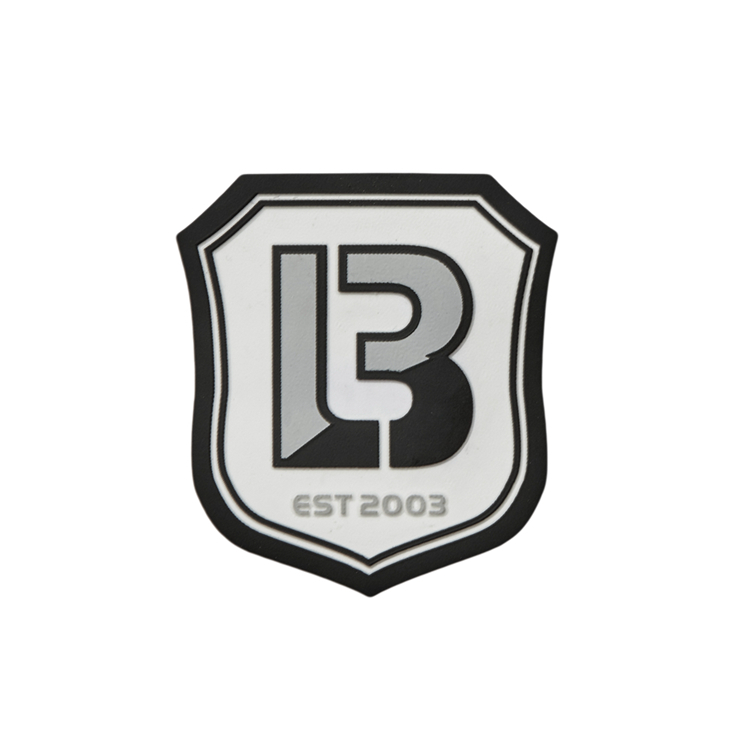
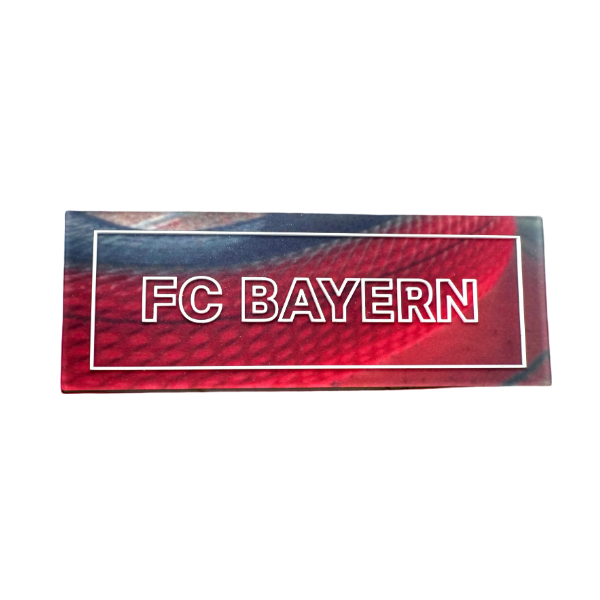
PVC/Silicone patches, on the other hand, are known for their durability and 3D effect. Made from synthetic materials, they are waterproof and resistant to wear and tear, making them perfect for outdoor and activewear. Their bold, raised design also makes them stand out on any item.
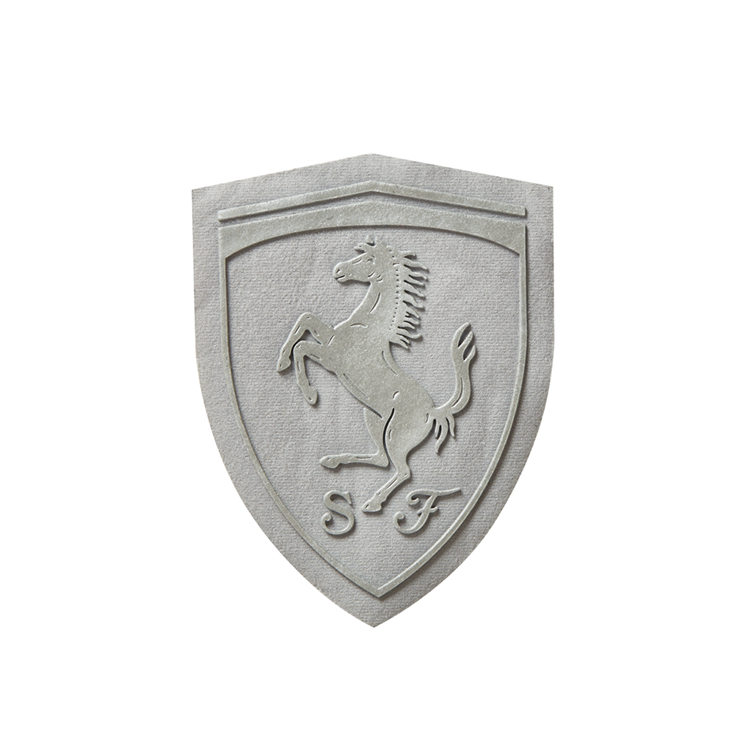
Leather and faux leather patches offer a premium, sophisticated look. They are often used on high-end clothing and accessories, adding a touch of elegance and durability. Faux leather patches are a more affordable and sustainable alternative to genuine leather, while still maintaining a similar appearance and texture.
3. Materials and Craftsmanship of Decorative Patches
The quality and appearance of decorative clothing patches are largely determined by the materials used and the craftsmanship employed. Choosing the right materials and工艺 is essential for creating patches that are durable, attractive, and suitable for their intended use.
| Material Category | Common Materials | Properties | Applicable Patch Types |
|---|---|---|---|
| Textile Materials | Cotton, polyester, rayon threads; cotton, linen backing | Breathable, soft, flexible, easy to embroider | Embroidered patches |
| Synthetic Materials | PVC, silicone, rubber | Waterproof, durable, flexible, 3D moldable | PVC/Silicone patches |
| Leather Materials | Genuine leather, PU faux leather, vegan leather | Durable, premium texture, stylish, slightly rigid | Leather/Faux Leather patches |
For embroidered patches, the most common materials are cotton and polyester threads. Cotton threads offer a soft, natural look and are ideal for light-colored patches, while polyester threads are more durable, colorfast, and suitable for dark-colored patches. The backing fabric of embroidered patches is usually cotton or linen, which provides a stable base for the embroidery.
PVC and silicone are the primary materials for 3D patches. PVC is a durable, flexible material that can be molded into various shapes and colors, while silicone is softer and more resistant to high temperatures. Both materials are waterproof and easy to clean, making them perfect for patches that will be exposed to the elements.
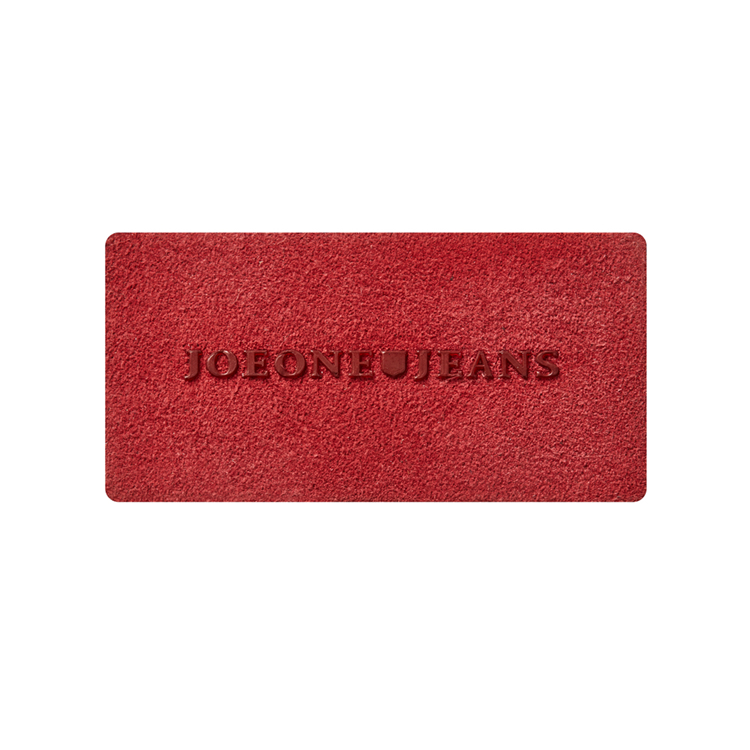
Leather patches use either genuine leather (from cows, sheep, or other animals) or faux leather (such as PU or vegan leather). Genuine leather offers a unique, natural texture and is very durable, but it is more expensive and requires more care. Faux leather, on the other hand, is more affordable, sustainable, and easier to maintain, while still providing a similar premium look.
The craftsmanship used to create decorative patches also varies by type. Embroidered patches use computerized embroidery machines for precision and speed, allowing for intricate patterns and consistent quality. Hand embroidery is also used for high-end, custom patches, offering a unique, artisanal touch.
PVC/Silicone patches are made using a molding process. The design is first created as a mold, then PVC or silicone is poured into the mold and heated to set. This process creates a 3D, seamless patch with a smooth finish. Laser cutting is often used to trim the edges of the patch for a neat, precise look.
Leather patches are typically cut using laser cutting or hand cutting. Laser cutting offers precision and consistency, making it ideal for complex shapes, while hand cutting provides a more artisanal finish. Hot stamping or embossing can also be used to add logos or patterns to leather patches, enhancing their visual appeal.
4. Fixing Methods for Decorative Clothing Patches
Decorative clothing patches can be attached to items using a variety of methods, each with its own advantages and disadvantages. The choice of fixing method depends on the patch type, fabric of the item, and whether the patch needs to be removable or permanent.
| Fixing Method | Level | Fastness | Removability | Applicable Fabrics |
|---|---|---|---|---|
| Heat-Seal (Iron-On) | Easy | Medium | Semi-removable (may damage fabric) | Cotton, linen, polyester, blends |
| Self-Adhesive | Very Easy | Low | Removable | Most fabrics (avoid rough textures) |
| Sew-On | Medium-Hard | High | Permanent (can be removed with effort) | Denim, canvas, leather, cotton |
| Velcro | Easy | Medium | Reusable/Removable | Most fabrics, bags, caps |
Heat-seal (iron-on) patches are the most popular choice for DIY enthusiasts. They have a special adhesive backing that melts when heated, bonding the patch to the fabric. This method is easy to use, requiring only an iron and a flat surface. However, it is not suitable for delicate fabrics (such as silk or wool) or fabrics that cannot withstand high temperatures.
Self-adhesive patches are the easiest to apply, requiring no heat or sewing. They have a sticky backing that can be peeled off and attached directly to the fabric. While convenient, self-adhesive patches are not very durable and may fall off after washing or repeated wear. They are ideal for temporary styling or for items that are not washed frequently.
Sew-on patches are the most durable and permanent fixing method. They are attached to the fabric by stitching along the edges of the patch. This method is suitable for all types of fabrics, including heavy-duty fabrics like denim and canvas. While it requires some sewing skills, it ensures that the patch stays in place even after repeated washing and wear.
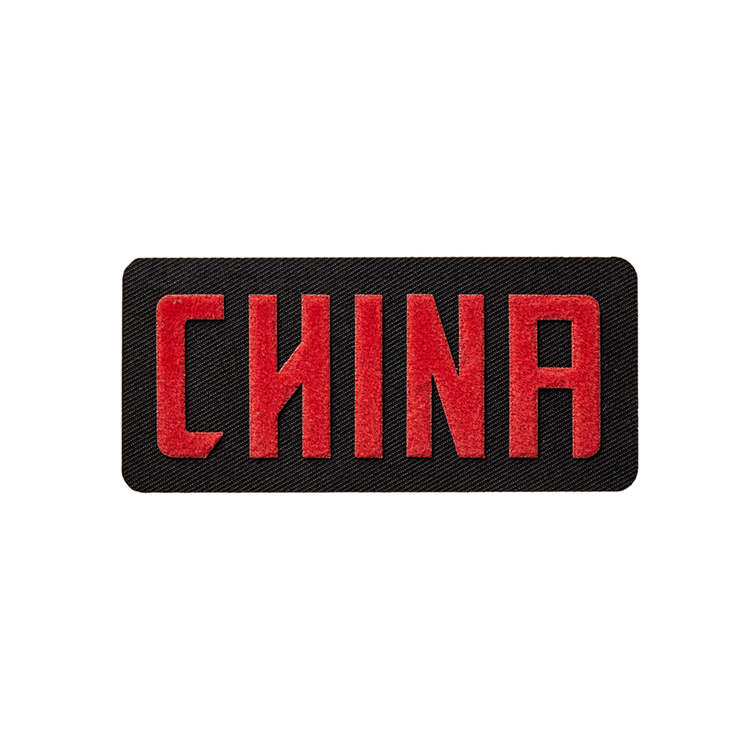
Velcro patches are a versatile option that allows for easy removal and reattachment. They consist of two parts: one part is sewn or glued to the patch, and the other part is sewn or glued to the item. This method is ideal for patches that need to be changed frequently, such as on bags, caps, or uniforms.
5. Versatile Applications of Decorative Clothing Patches
Decorative clothing patches are highly versatile and can be used in a variety of ways, from personal fashion to commercial and promotional use. Their flexibility and affordability make them a popular choice for individuals, designers, and businesses alike.
| Application Category | Specific Uses | Recommended Patch Types |
|---|---|---|
| Personal Fashion | Upgrade jackets, T-shirts, jeans, hoodies; cover stains; express personal style | Embroidered, PVC, Leather |
| Accessory Decoration | Decorate backpacks, caps, belts, tote bags, shoes, wallets | PVC, Silicone, Small Embroidered |
| Commercial Use | Brand merchandising, team uniforms, corporate apparel, event souvenirs | Embroidered, PVC, Leather |
| DIY Projects | Handmade gifts, upcycled clothing, craft projects for kids | Iron-On, Self-Adhesive, Embroidered |
In personal fashion, decorative patches are a great way to upgrade old or plain clothing. They can be used to add a pop of color, a unique pattern, or a personal message to jackets, T-shirts, jeans, and hoodies. They are also useful for covering small stains or holes, extending the life of favorite clothing items.
For accessories, decorative patches can transform ordinary items into unique pieces. They can be attached to backpacks, caps, belts, tote bags, and even shoes, adding a touch of style and personality. PVC and silicone patches are particularly popular for accessories, as they are durable and waterproof.
In commercial settings, decorative patches are used for brand merchandising, team uniforms, and corporate apparel. They can be customized with logos, slogans, or team names, helping to promote a brand or team identity. Embroidered patches are often used for corporate apparel, as they offer a professional, polished look, while PVC patches are ideal for promotional items and team uniforms.
Decorative patches are also a popular choice for DIY projects. They can be used to create handmade gifts, such as custom jackets or bags, or for craft projects with kids. Iron-on and self-adhesive patches are easy to use for DIY projects, making them accessible to people of all skill levels.
6. Customization of Decorative Clothing Patches
One of the key advantages of decorative clothing patches is their ability to be customized. Custom patches allow individuals and businesses to create unique designs that reflect their personal style or brand identity. The customization process is simple and flexible, with a wide range of options available.
Customization options for decorative patches include shape, size, pattern, color, and craftsmanship. Customers can choose from a variety of standard shapes (such as circles, squares, and rectangles) or create custom irregular shapes. The size of the patch can also be customized, from small mini-patches (1-2 inches) to large patches (6 inches or more).
The pattern and design of the patch can be fully customized, with customers able to submit their own artwork, logos, or photos. Many manufacturers offer design services, helping customers to create the perfect patch design. The color of the patch can also be customized, with Pantone color matching available to ensure that the patch matches the customer’s brand or personal preferences.
The craftsmanship of the patch can also be customized, with customers able to choose between embroidered, PVC, silicone, or leather patches. Mix-and-match craftsmanship is also available, such as combining embroidery with PVC for a unique look.
The customization process typically involves four steps: design submission, sample confirmation, mass production, and delivery. Customers submit their design and requirements to the manufacturer, who then creates a sample patch for the customer to review and confirm. Once the sample is approved, the manufacturer proceeds with mass production, ensuring that the final patches meet the customer’s specifications. Delivery times vary depending on the size of the order and the complexity of the design, but most orders are delivered within 2-4 weeks.
7. How to Choose and Care for Decorative Clothing Patches
Choosing the right decorative patch and caring for it properly is essential for ensuring that it looks great and lasts a long time. Below are some tips for choosing and caring for decorative clothing patches.
When choosing a decorative patch, it is important to consider the fabric of the item you will be attaching it to. For soft fabrics (such as cotton, linen, and polyester), embroidered patches are a great choice, as they are soft and flexible. For heavy-duty fabrics (such as denim, canvas, and leather), PVC, silicone, or leather patches are more suitable, as they are durable and can withstand more wear and tear.
It is also important to consider the intended use of the patch. If you need a patch for outdoor use or for items that will be washed frequently, PVC or silicone patches are a better choice, as they are waterproof and durable. If you are looking for a premium, stylish patch for high-end clothing or accessories, leather patches are ideal.
When applying the patch, it is important to follow the manufacturer’s instructions. For iron-on patches, use the correct temperature (150-180℃) and pressure, and avoid applying heat to delicate fabrics. For sew-on patches, stitch along the edges of the patch to ensure that it is securely attached.
To care for decorative patches, it is important to wash the item inside out in cold water. Avoid using bleach or harsh detergents, as they can damage the patch. For PVC and silicone patches, avoid direct sunlight for extended periods of time, as this can cause the color to fade. For leather patches, avoid getting them wet and use a leather conditioner to keep them soft and supple.
8. Industry Trends and Future of Decorative Clothing Patches
The decorative clothing patch industry is constantly evolving, with new trends and innovations emerging each year. Below are some of the key trends shaping the industry today, along with predictions for the future.
One of the biggest trends in the industry is the rise of sustainable materials. As consumers become more environmentally conscious, there is a growing demand for patches made from sustainable materials, such as organic cotton, recycled polyester, and vegan leather. Manufacturers are also adopting more eco-friendly production processes, such as using water-based inks and reducing waste.
Another key trend is the growing popularity of minimalist 3D craft. Simple, clean designs with a 3D effect are becoming increasingly popular, as they offer a modern, stylish look. Hand-painted and artisanal patches are also growing in popularity, as consumers seek unique, one-of-a-kind pieces.
The demand for custom patches is also expected to continue growing, particularly among small businesses, influencers, and DIY enthusiasts. Advances in technology are making customization more accessible and affordable, with online design tools and fast production times allowing customers to create custom patches quickly and easily.
In the future, the decorative clothing patch industry is expected to continue expanding, with new materials and technologies driving innovation. We can expect to see more sustainable materials, more advanced customization options, and new patch types that combine different crafts and materials. The rise of e-commerce is also expected to boost the industry, making decorative patches more accessible to consumers around the world.
Conclusion
Decorative clothing patches are a versatile, affordable, and creative way to enhance apparel and accessories, express personal style, and promote brands. With a wide range of types, materials, and customization options available, there is a decorative patch for every need and preference.
Whether you are a DIY enthusiast looking to upgrade your clothing, a business owner looking to promote your brand, or a fashion lover looking to add a personal touch to your wardrobe, decorative clothing patches offer endless possibilities. By choosing the right patch type, material, and fixing method, and caring for your patch properly, you can enjoy its beauty and functionality for years to come.
As the industry continues to evolve, we can expect to see more sustainable materials, innovative designs, and accessible customization options, making decorative clothing patches an even more popular choice for fashion lovers and businesses alike.
PEPHAWK is proud to highlight our integrated one-stop service—seamlessly combining professional design, R&D, and manufacturing capabilities to deliver cohesive, end-to-end solutions for our valued clients.
Our core product range covers a diverse selection of high-quality accessories and silicone-based items, including:
- Garment Accessories: Silicone Labels, Micro Fiber Labels, TPU Labels, Leather Labels
- Electronic & Lifestyle Gadgets: Silicone Mobile Phone Skins, Silicone MP3 Skins, Silicone Chaplets, Silicone Bracelets
Whether you’re looking for custom apparel labels, protective silicone skins, or tailored manufacturing solutions, PEPHAWK has the expertise and flexibility to bring your vision to life.
Apparel Security Labels: Your Brand’s Secret Weapon Against Fakes
How to Iron On Patches: Why a Professional Heat Press Is a Must Instead of a Household Iron