
A Complete Guide to Designing an Effective Debossed Logo for Your Business
2024-12-02
Incorporating a debossed logo can enhance your business branding and help you stand out to your target audience.
A well-designed logo is an integral part of any business, and a debossed logo has become an increasingly popular style choice. In this article, we will provide a complete guide to designing an effective debossed logo for your business.
Understanding Debossed Logos
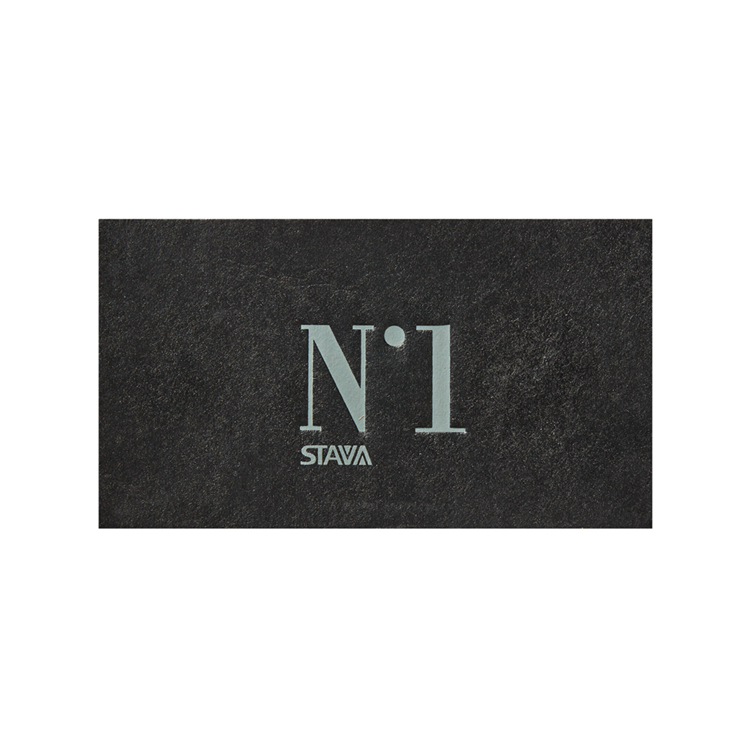
A debossed logo is defined as an imprint created when an object, such as a logo, is stamped into a surface, such as paper or plastic. The result is a design that sits below the surface level, creating a subtle, yet elegant effect. One key advantage of a debossed logo is that it can add depth and texture to a design, making it more visually appealing. Additionally, a debossed logo can be more durable than a traditional printed logo, as it is less likely to fade or scratch off over time.

It is essential to understand the differences between debossed and embossed logos, as they are often confused. An embossed logo is raised above the surface, creating a 3D effect, whereas a debossed logo is pressed into the surface, creating an indented effect.
Factors to Consider Before Designing a Debossed Logo
As mentioned in chapter two, in designing a logo, a business must have a clear understanding of their target audience. The logo must speak to the customers and the message they want to convey. Research must be carried out to determine what works best in the industry and the area of the market the business is in.
Apart from the target audience, the nature of the business is also important. The logo must be a reflection of what the business does, and what sets it apart from competitors. Thus, logos of fabricated metals companies must exude strength and durability, while logos for clothing companies must project style, design, and fashion.
The messaging through colors and fonts is also a critical consideration. A logo's color scheme has a significant impact on its appearance and how it is perceived by potential customers. Each color can be used to tell a different story, from the red color that is associated with excitement, passion, and love, to yellow that is associated with optimism, creativity, and happiness.
In addition to color, font selection is just as important. Most brands choose to use fonts that reflect their image, as it influences how their brand perception is accepted and viewed. A unique font style combined with an appropriate color scheme can resonate with potential customers and reinforce the message the business wants to send.
Steps to Designing a Debossed Logo
The first step in designing a debossed logo is to consider the sketching phase. This is where artists and designers come up with multiple designs for the logo. An essential element of the sketching phase is to steer clear of overcomplicated designs.
The next step is to refine the design, as it is necessary to convert the sketches into a polished and effective logo. Feedback should be sought from colleagues or other stakeholders in the business. The designer can integrate any needed changes into the later iterations of the logo before finalizing the design.

The final steps are essential to achieve the desired effect of the debossed design. The designer needs to be mindful of how colors harmonize with the logo design when a business applies colors to create marketing material. Finally, the designer must refine the logo to make it aesthetically pleasing and functional across all mediums and sizes.
Applying the Debossed Logo to Business Materials
A debossed logo can be applied to a variety of business materials, including business cards, letterhead, packaging, and promotional items. It is important to consider the placement of a logo based on the material being used. Applying a debossed logo to a glossy material may not provide the desired effect, as the indentations may not be easily visible. Consistency of application is also essential to ensure that a business’s branding is recognizable.
Conclusion
In conclusion, designing a debossed logo requires careful consideration of the target audience, messaging, and color/font selection. Taking the necessary steps to design an effective debossed logo can ultimately positively impact a business’s brand. Remember to be creative, seek feedback, and apply the logo consistently across all business materials. By following these guidelines, businesses have a great chance of creating a lasting, effective debossed logo that will enhance their brand presence.
From Inventory Management to Branding: Custom Color Labels for Every Business Need
The Versatility of Color Custom Labels in Marketing


SEND MESSAGE