

Subtle Debossed Labels Make Strong Brand Statements
2026-06-30
Debossed labels deliver understated luxury through precision-engineered recessed impressions that sink into premium material surfaces.
Table of Contents
- Core Design Elements of Debossed Labels
- Technical Specifications
- Material Performance Comparison
- Standard Size Configurations by Application
- Production Process and Quality Standards
- Durability and Long-Term Performance
- Customization and Enhanced Finishing Options
- Industry Applications and Placement Strategy
- Production Lead Times and Order Quantities
These branding elements create a tactile experience customers can both see and feel, elevating perceived product value without overwhelming design aesthetics. Fashion houses, skincare brands, artisan goods producers, and premium packaging teams rely on debossed labeling to communicate craftsmanship and attention to detail. The technique works across leather, PU synthetic leather, premium paper stocks, and select flexible substrates, each material yielding distinct visual and textural results.
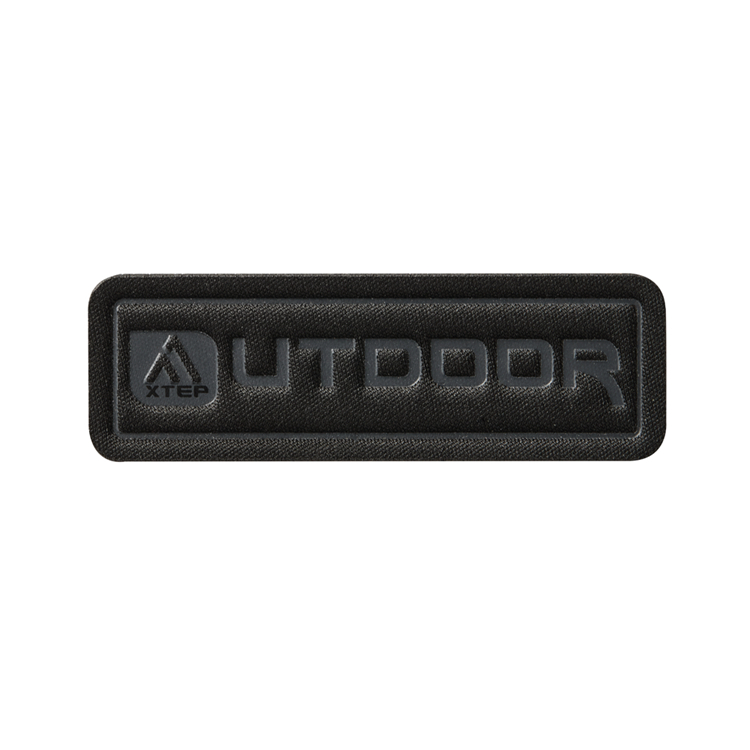
Every debossed label begins with a custom metal die machined to exact design specifications. The die applies controlled pressure—and in many cases moderate heat—to push the design downward into the material, creating a permanent indentation rather than a raised surface. The resulting impression sits flush or slightly below the surrounding surface, catching light at different angles and revealing itself more fully under direct touch. This quiet sophistication distinguishes debossed labels from bolder branding methods and aligns perfectly with minimalist, contemporary, and heritage-inspired brand identities.
Core Design Elements of Debossed Labels
Impression Depth and Line Precision
The defining characteristic of any debossed label rests in the depth and sharpness of its recessed design. Standard deboss depth ranges from 0.3mm to 0.8mm depending on material thickness, with deeper impressions delivering more dramatic tactile feedback and shallower depths preserving material flexibility. Precision matters at every line width: fine details below 0.5mm require tighter die tolerances and slower press speeds to maintain clean edges without tearing or distorting the substrate.
Shallow deboss profiles work best on thin, flexible materials such as 0.8mm PU leather used for neck labels and cuff tabs. Medium depths between 0.4mm and 0.6mm represent the most versatile specification, suitable for denim waist patches, backpack badges, and premium hang tags. Deeper impressions approaching 0.8mm suit thicker genuine leather goods, structured packaging, and heavy-duty industrial nameplates where rigidity supports maximum dimensionality without structural compromise.
Material Substrate Varieties
Debossed labels perform across multiple substrate categories, each bringing unique aesthetic qualities and functional properties to the finished piece. Leather and leather alternatives remain the most popular choices for apparel and accessory applications, while premium paper stocks dominate packaging and stationery uses.
Genuine leather options include full-grain cowhide, top-grain leather, and vegetable-tanned hides that develop rich patina over time. These materials respond beautifully to heat-assisted debossing, yielding deep, crisp impressions that soften and mature with regular use. Split leather and reconstituted leather fiber composites offer more uniform surfaces and consistent pricing, ideal for high-volume production runs where color matching and dimensional stability take priority.
PU synthetic leather and microfiber vegan alternatives deliver exceptional consistency batch after batch, with broad color palettes and reliable debossing performance. These materials resist moisture, fading, and abrasion better than many natural leathers, making them preferred choices for outdoor gear, athletic apparel, and children’s products. Premium paper substrates—cotton-rich stock, textured kraft, and rigid FSC-certified boards—serve hang tags, box lids, and business card applications where tactile refinement reinforces premium positioning.
Typography and Graphic Integration
Typography selection directly influences debossed label legibility and overall impact. Sans-serif fonts with moderate stroke weights reproduce most reliably in debossed form, as thin serifs and delicate swashes can blur or break under pressure. Bold, geometric letterforms create strong shadow lines inside the recessed areas, enhancing readability even from a distance. Script and decorative fonts work best at larger sizes with stroke widths of at least 1mm to maintain structural integrity through the pressing process.
Graphic elements follow similar principles. Solid shapes and bold outlines deboss cleanly and deliver strong visual presence. Intricate line art and halftone patterns require careful scaling; fine details below 0.3mm may fill in or lose definition during pressing. Many brands pair a primary debossed mark with secondary laser-etched details for information-dense layouts, using each technique where it performs strongest. Negative space plays an important role too—the surrounding untouched material frames the debossed design and amplifies its subtle presence.
Border and Edge Finishing
Border treatments define the visual perimeter of debossed labels and reinforce their structural edges. Simple debossed borders pressed into the same surface create a framed effect without additional materials, keeping the design monolithic and refined. Recessed stitch channels—grooves debossed along the label perimeter—guide sewing needles during application, ensuring straight seams and reducing production time for garment manufacturers.
Physical edge finishing complements the debossed design itself. Laser-cut edges deliver clean, sealed perimeters that resist fraying on leather and PU substrates. Die-cut shapes with rounded corners soften the label’s profile and prevent corner lift on flexible items. Painted or burnished edges add a secondary color accent along the label thickness, creating a premium layered look popular on luxury denim patches and leather goods. For paper-based debossed labels, edge painting in matching or contrasting tones elevates hang tags and presentation folders to boutique quality levels.
Backing and Application Systems
Debossed labels integrate with products through several attachment methods, each suited to different substrates and production workflows. Sew-on backing represents the most traditional and durable approach, with labels stitched directly along edges or through pre-punched holes. This method works universally across apparel, bags, footwear, and upholstery applications.
Heat-seal backing features a thermally activated adhesive layer that bonds to fabric under heat press application. This method speeds up production on assembly lines and creates a clean, stitch-free appearance on the product face. Pressure-sensitive adhesive backing works for rigid applications such as packaging, electronics, and point-of-purchase displays where immediate bonding without specialized equipment is required.
Iron-on backing serves consumer-facing DIY markets and small-batch brands, allowing end-users or small manufacturers to apply debossed labels with standard household irons or heat presses. Magnetic backing appears on limited-edition and promotional debossed labels intended for temporary display or collectible use.
Technical Specifications
The following table outlines standard production specifications for debossed labels across common material categories.
|
Parameter
|
PU Leather Debossed Labels
|
Genuine Leather Debossed Labels
|
Paper Debossed Labels
|
|
Standard thickness
|
0.6 mm – 1.5 mm
|
1.0 mm – 2.0 mm
|
0.3 mm – 0.8 mm
|
|
Typical deboss depth
|
0.3 mm – 0.6 mm
|
0.4 mm – 0.8 mm
|
0.15 mm – 0.4 mm
|
|
Minimum line width
|
0.5 mm
|
0.6 mm
|
0.3 mm
|
|
Standard size range
|
15 mm – 120 mm
|
20 mm – 150 mm
|
25 mm – 200 mm
|
|
Standard shapes
|
Rectangle, square, circle, custom die-cut
|
Rectangle, square, circle, custom die-cut
|
Rectangle, square, circle, custom die-cut
|
|
Temperature resistance
|
-20°C to 120°C
|
-20°C to 100°C
|
-10°C to 80°C
|
|
Wash resistance rating
|
50+ domestic cycles
|
30+ domestic cycles
|
Not washable
|
|
Standard backing options
|
Sew-on, heat-seal, adhesive, iron-on
|
Sew-on, heat-seal, adhesive
|
Adhesive, plain
|
Material Performance Comparison
Different substrate materials deliver distinct performance profiles across durability, environmental resistance, and aesthetic aging.
|
Performance Attribute
|
Vegetable-Tanned Leather
|
PU Synthetic Leather
|
Microfiber Vegan Leather
|
Premium Cotton Paper
|
|
Abrasion resistance
|
High
|
Very high
|
Very high
|
Low
|
|
Water resistance
|
Moderate
|
High
|
High
|
Low
|
|
UV fade resistance
|
Moderate
|
High
|
Very high
|
Moderate
|
|
Flex cracking resistance
|
Moderate
|
High
|
Very high
|
N/A
|
|
Patina development
|
Strong, ages richly
|
Minimal, stable color
|
None, color-locked
|
Subtle yellowing over time
|
|
Cold flexibility
|
Good
|
Very good
|
Excellent
|
Brittle below freezing
|
|
Dry-clean compatibility
|
Yes
|
Yes
|
Yes
|
No
|
|
Eco-certification availability
|
Depends on tannery
|
OEKO-TEX options
|
OEKO-TEX, REACH
|
FSC, recycled options
|
Standard Size Configurations by Application
Debossed labels appear across dozens of product categories, each with established size conventions optimized for placement and visual proportion.
|
Product Application
|
Typical Shape
|
Standard Size Range
|
Recommended Deboss Depth
|
Common Placement
|
|
Denim waist patch
|
Rectangle with rounded corners
|
60–80 mm × 90–110 mm
|
0.5 mm – 0.7 mm
|
Back waistband center
|
|
Beanie cuff label
|
Square or small rectangle
|
25 mm – 35 mm width
|
0.3 mm – 0.4 mm
|
Folded cuff front
|
|
Shirt neck label
|
Rectangle
|
30 mm × 50 mm
|
0.3 mm – 0.4 mm
|
Inner back neck
|
|
Sleeve hem tab
|
Narrow rectangle
|
15 mm × 25 mm
|
0.3 mm
|
Sleeve cuff or hem
|
|
Backpack badge
|
Shield, circle, or rectangle
|
40 mm – 70 mm
|
0.4 mm – 0.6 mm
|
Front panel center
|
|
Shoe tongue label
|
Rectangle or contoured
|
20 mm × 40 mm
|
0.3 mm – 0.5 mm
|
Tongue top surface
|
|
Luxury hang tag
|
Custom die-cut
|
40 mm – 80 mm
|
0.2 mm – 0.3 mm
|
String-attached garment tag
|
|
Notebook cover mark
|
Circle or minimal shape
|
20 mm – 40 mm
|
0.2 mm – 0.3 mm
|
Lower front cover
|
Production Process and Quality Standards
The manufacturing sequence for debossed labels follows a controlled workflow designed for consistency and precision. Artwork files undergo pre-production review for line weights, negative space ratios, and minimum detail thresholds before translation into tooling specifications. Custom metal dies—typically brass for shorter runs or hardened steel for high-volume production—receive CNC engraving to match the exact design geometry.
Material preparation includes sheet cutting, color verification against approved swatches, and moisture conditioning where required for natural leather substrates. The pressing operation uses hydraulic or pneumatic presses with adjustable pressure, temperature, and dwell time parameters calibrated to each material type. Heat-assisted debossing at temperatures between 80°C and 140°C softens the material surface temporarily, allowing deeper, cleaner impression formation with reduced spring-back.
Post-pressing processes include die cutting or laser cutting to final shape, edge finishing treatments, and backing application. Quality inspection verifies impression depth consistency, edge cleanliness, color accuracy, and adhesion integrity across every production batch. Tolerance standards typically allow ±0.1mm variation in impression depth and ±0.5mm variation in finished dimensions, with AQL 2.5 acceptance criteria for visual defects.
Durability and Long-Term Performance
Debossed labels outlast many alternative branding methods because the design resides within the material structure rather than on its surface. Printed inks can scratch, fade, or peel with abrasion and washing, but a debossed impression remains permanently embedded in the substrate. On leather and PU materials, the debossed mark stays legible through years of regular use, often becoming more visually distinct as surrounding surfaces wear and develop patina.
Wash durability varies by backing type and material composition. PU leather debossed labels with heat-seal backing withstand 50 or more standard domestic wash cycles at 40°C without lifting or significant degradation. Genuine leather versions maintain structural integrity through 30 or more wash cycles, though natural leather may darken or soften slightly with repeated water exposure. Dry-cleaning processes are generally compatible with both leather and PU debossed labels when standard solvent cycles are used.
Outdoor performance depends on substrate selection. UV-stabilized PU and microfiber debossed labels resist fading and cracking through extended sun exposure, making them suitable for outerwear, sports equipment, and marine gear. Natural leather requires conditioning to prevent drying and cracking in prolonged direct sunlight. Paper-based debossed labels remain indoor-use products, susceptible to moisture damage and tearing under rough handling.
Customization and Enhanced Finishing Options
Standard debossed labels support numerous enhancement techniques for brands seeking additional visual impact or functional features. Foil stamping applied within the debossed recess adds metallic contrast, with gold, silver, rose gold, black, and holographic foil options available. The recessed cavity protects the foil from abrasion, extending the decorative life compared to flat-surface foil application.
Color filling involves infusing the debossed grooves with pigmented ink or resin, creating strong contrast between the recessed design and the surrounding material surface. This technique improves legibility for small text and fine details while adding a deliberate color accent. Matte or glossy topcoats applied selectively within the debossed area create further visual differentiation through sheen contrast.
Laser etching complements debossing on multi-detail designs, using laser ablation to add secondary information such as size indicators, care symbols, or website addresses that would be too fine for mechanical debossing. Perforations, eyelets, and custom hole patterns expand attachment options and decorative possibilities. Sequential numbering, QR code integration, and braille markings extend the functional scope of debossed labels into security, accessibility, and traceability applications.
Industry Applications and Placement Strategy
Apparel and fashion represent the largest market for debossed labels, with denim, outerwear, knitwear, and activewear brands leading adoption. Denim waist patches remain the most iconic application, where thick leather or PU debossed labels signal heritage quality and brand authenticity. Inner neck labels replace traditional woven tags for reduced skin irritation and cleaner interior aesthetics. Sleeve tabs, hem badges, and pocket reinforcement patches carry secondary branding in discreet locations.
Leather goods and accessories rely heavily on debossed labeling for bags, wallets, belts, and footwear. The technique integrates branding without disrupting surface smoothness or adding hardware weight. Luxury packaging uses debossed labels on box lids, gift boxes, and premium product sleeves, where tactile first impressions drive perceived value. Cosmetic boxes, perfume packaging, and artisanal food containers frequently feature debossed brand marks paired with soft-touch coatings and matte laminates.
Stationery and publishing apply debossed labeling to notebook covers, journal spines, book jackets, and business cards. The subtle three-dimensional quality conveys professionalism and attention to detail in corporate and creative contexts. Industrial and technical products use debossed metal labels for equipment nameplates, control panel markings, and serial number plates where permanent identification must withstand harsh operating environments.
Production Lead Times and Order Quantities
Standard production timelines for custom debossed labels range from 5 to 15 business days depending on order volume, material type, and finishing complexity. Tooling for new designs typically requires 2 to 4 days, with brass dies ready for sampling within 48 hours in expedited cases. Pre-production samples allow verification of impression depth, color matching, and size accuracy before full manufacturing begins.
Minimum order quantities vary by material and process complexity. PU leather debossed labels often start at 100 pieces per design for standard shapes and finishes. Genuine leather and premium paper options may carry 300 to 500 piece minimums due to material setup costs. High-volume production runs of 10,000 pieces and above benefit from reduced unit pricing and optimized press scheduling. Reorder quantities for existing tooling can be smaller in many cases, since die preparation costs are already covered.
Debossed labels continue to grow in popularity as brands prioritize sensory experience and understated quality over loud, graphic-heavy branding. The technique rewards careful design, material selection, and craftsmanship, producing labels that feel intentional and enduring rather than applied and disposable. Whether used as the primary brand identifier on a denim waistband or as a subtle signature mark inside a luxury package, debossed labeling delivers a quiet confidence that resonates with quality-conscious consumers across every market category.
Popular Stickers for Every Creative Project
Custom Embroidered Patches Elevate Every Garment With Precision Stitching


SEND MESSAGE