

Cute Backpack Patches: The Ultimate Design Strategy Guide for 2026
2026-04-09
Backpack patches have evolved from simple decorative accessories to a powerful way for people to express their personality. Among all styles, cute patches stand out as a fan favorite
Their popularity lies in their ability to add warmth, playfulness, and uniqueness to ordinary backpacks. But creating cute patches that resonate with consumers and stand out in the market requires a thoughtful design strategy. In this guide, we’ll break down the key design strategies for cute backpack patches, with practical tables and concise insights to help you create products that sell and delight.
1. Understand Your Target Audience: The Foundation of Cute Design
Before diving into design details, it’s critical to know who you’re designing for. Cute patches are not one-size-fits-all; their appeal varies based on age, lifestyle, and personal preferences. Identifying your target audience ensures your design aligns with their needs and tastes.
|
Target Audience
|
Key Preferences
|
Design Focus
|
|---|---|---|
|
Teenagers (13-19)
|
Anime characters, trendy slogans, bright colors
|
Playful, bold, and relatable to pop culture
|
|
Young Adults (20-28)
|
Minimalist cute, small animals, nostalgic elements
|
Subtle, versatile, and suitable for daily use
|
|
Kids (6-12)
|
Cartoon animals, bright pastels, 3D textures
|
Simple, safe, and fun to touch
|
For example, a patch designed for a 15-year-old anime fan will look very different from one for a 25-year-old who prefers minimalist style. By focusing on your audience, you avoid generic designs that fail to connect.
2. Style & Aesthetic Positioning: Define “Cute” for Your Brand
“Cute” is a broad term—what feels cute to one person may not appeal to another. To create a consistent and recognizable design, you need to define your brand’s cute aesthetic. There are several popular cute styles to choose from, each with its own characteristics.
|
Cute Style
|
Key Features
|
Examples
|
|---|---|---|
|
Kawaii (Japanese Cute)
|
Large eyes, round shapes, soft pastels, exaggerated features
|
Hello Kitty-style characters, chibi animals
|
|
Cartoon Cute
|
Simple lines, bold outlines, playful expressions
|
Cartoon dogs, cats, or fruits with big smiles
|
|
Minimalist Cute
|
Clean lines, neutral colors, small details
|
Miniature plants, simple animal silhouettes
|
|
Playful Retro
|
Vintage color palettes, retro patterns, nostalgic elements
|
80s-style cartoon characters, retro snack motifs
|
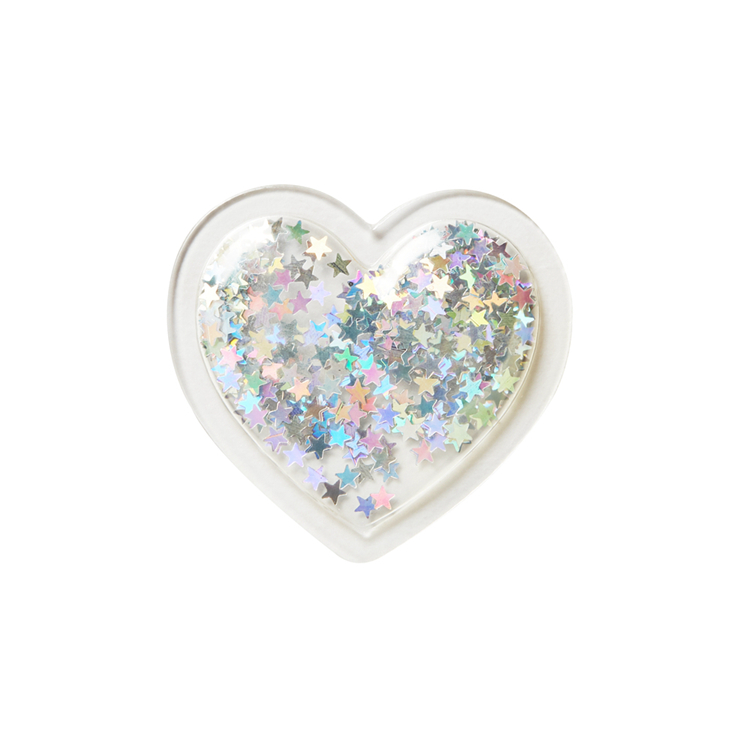
Choose one or two styles that align with your target audience and brand identity. Consistency in style helps build brand recognition and makes your patches more memorable.
3. Pattern & Theme Design: Create Patches That Tell a Story
The pattern and theme of your patch are the first things people notice. A strong pattern should be eye-catching, cute, and easy to recognize—even from a distance. Here are key strategies for pattern and theme design:
First, focus on classic cute elements that have universal appeal. These elements are proven to resonate with consumers and are easy to adapt to different styles.
|
Classic Cute Elements
|
Why They Work
|
Design Tips
|
|---|---|---|
|
Small Animals
|
Evoke warmth and affection; universally loved
|
Simplify features (big eyes, round faces) for cuteness
|
|
Plants & Flowers
|
Fresh and calming; add a soft touch
|
Use rounded shapes and pastel colors
|
|
Desserts & Snacks
|
Fun and relatable; trigger happy emotions
|
Add small details (sprinkles, frosting) for realism
|
|
Fun Slogans
|
Add personality and humor; encourage self-expression
|
Use playful fonts and short, catchy phrases
|
Second, launch themed series to keep your product line fresh and engaging. Themed patches appeal to specific interests and encourage consumers to collect multiple patches.
Popular themes include campus style (notebooks, coffee cups), outdoor style (camping gear, hiking animals), anime & IP collaborations (popular cartoon characters), and daily cute style (morning routines, cozy moments). For example, a “cozy winter” theme could include patches of hot cocoa, snowflakes, and cute scarves.
Finally, support personalization. Many consumers want patches that feel unique to them. Offer DIY options, such as mini-patterns that can be combined to create a custom design, or allow customers to add their names to patches.
4. Material & Craft: Balance Cuteness with Practicality
Cute patches need to be more than just pretty—they also need to be durable and easy to use. The right materials and crafts ensure your patches last long and attach easily to different backpack fabrics.
|
Material
|
Pros
|
Cons
|
Best For
|
|---|---|---|---|
|
Embroidery
|
Durable, textured, high-quality look
|
More expensive, limited color options
|
Premium patches, detailed designs
|
|
Fabric
|
Soft, lightweight, easy to print
|
Less durable, may fade
|
Budget-friendly, large designs
|
|
Silicone
|
Waterproof, flexible, 3D effect
|
Less breathable, may peel over time
|
Kids’ patches, outdoor use
|
|
PVC
|
Durable, waterproof, vibrant colors
|
Stiff, not eco-friendly
|
Everyday use, bold designs
|
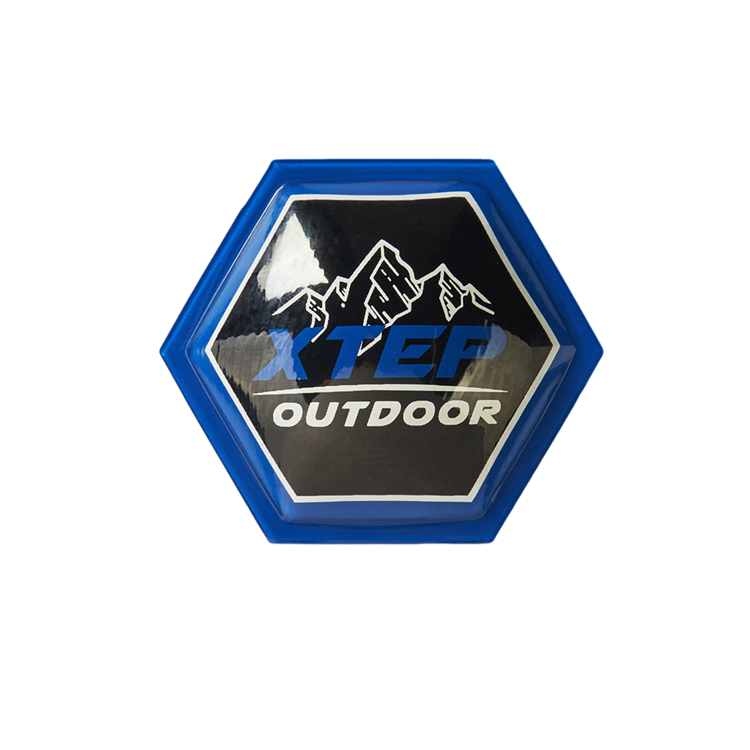
When it comes to attachment crafts, offer multiple options to suit different backpack fabrics. Iron-on patches are easy to use and work well on cotton and canvas. Sew-on patches are more secure and suitable for thick or delicate fabrics. Velcro patches are reusable and perfect for customers who like to switch out patches frequently.
Enhance the tactile experience with 3D embossing, flocking, or embroidery texture. These details make the patch more interesting to touch and add depth to the design—key for cute aesthetics.
5. Size & Shape: Fit for Every Backpack
The size and shape of your patch should be practical and proportional to the backpack. A patch that’s too big can overwhelm a small backpack, while a patch that’s too small may go unnoticed. Here’s how to choose the right size and shape:
|
Backpack Area
|
Recommended Patch Size
|
Best Shape
|
|---|---|---|
|
Front Panel (Large)
|
8-12 cm
|
Square, rectangular, or large special-shaped
|
|
Side Pocket
|
4-6 cm
|
Round, small special-shaped
|
|
Strap
|
3-5 cm
|
Long, narrow, or mini-shaped
|
|
Collage Area
|
2-4 cm
|
Mini, various shapes for mixing
|
Offer diverse shapes to add variety. Round and square patches are classic and versatile, while cartoon special-shaped patches (e.g., a cat’s face, a ice cream cone) add playfulness. Create combination sets with different sizes and shapes, so customers can mix and match to create their own unique layout.
6. Color Matching: Make Your Patches Pop (Without Clashing)
Color is a key element of cute design—it sets the mood and attracts attention. The right color palette can make your patch stand out while complementing the backpack.
Stick to fresh, soft color systems for a cute effect. Macaron colors (light pink, mint green, baby blue) and pastel colors are perfect—they’re gentle on the eyes and evoke a sense of warmth and playfulness. Avoid dark, muted colors, as they can make the patch look less cute.
|
Cute Color Palette
|
Emotion Evoked
|
Best For
|
|---|---|---|
|
Pastel Pink + Mint Green
|
Soft, feminine, calming
|
Minimalist cute, floral designs
|
|
Baby Blue + Yellow
|
Cheerful, fresh, energetic
|
Cartoon animals, summer themes
|
|
White + Light Gray
|
Clean, minimalist, versatile
|
Mini patches, subtle designs
|
Use moderate color contrast to make the patch stand out. For example, a light pink patch with a white outline will be more visible than a solid pink patch. Also, coordinate with common backpack colors—black, white, gray, blue, and pink are popular, so choose colors that complement these shades.
7. Functional & Decorative Integration: More Than Just a Pretty Patch
While cuteness is the main appeal, practicality is what keeps customers coming back. Your patches should be both decorative and functional.
Focus on decoration first: the patch should highlight the user’s personality and allow them to customize their backpack. A well-designed patch can turn a plain backpack into a unique accessory that reflects the user’s style.
Ensure practicality by prioritizing firm adhesion, wear resistance, washability, and colorfastness. Customers don’t want a patch that peels off after one wash or fades in the sun. Test your materials and crafts to ensure durability.
Expand extensibility by making patches compatible with other accessories. A patch that works on backpacks can also be used on jackets, hats, tote bags, or pencil cases—this increases the value of your product and appeals to more customers.
8. Sustainable & Environmentally Friendly Design: Appeal to Eco-Conscious Consumers
More and more consumers are choosing eco-friendly products, and cute backpack patches are no exception. Incorporating sustainable design into your strategy not only helps the environment but also attracts a growing segment of eco-conscious customers.
Use eco-friendly raw materials, such as organic cotton, recycled fabric, or biodegradable silicone. Choose non-toxic, water-based dyes to avoid harmful chemicals. Optimize your production process to reduce material waste—for example, using leftover fabric to create mini patches.
Communicate your sustainability efforts to customers. Add a small note on the packaging about your eco-friendly materials or production process—this builds trust and makes your brand more appealing.
Conclusion: The Key to Successful Cute Backpack Patch Design
Designing cute backpack patches is about balancing cuteness, practicality, and audience appeal. By understanding your target audience, defining a clear aesthetic, creating engaging patterns and themes, choosing the right materials and crafts, and focusing on sustainability, you can create patches that stand out in the market and resonate with consumers.
Remember: cute is not just about appearance—it’s about evoking emotion. A great cute patch makes people smile, feels personal, and adds joy to their daily lives. By following these strategies, you’ll be able to create patches that are not only cute but also functional, durable, and desirable.
Whether you’re a small business owner, a designer, or someone who loves customizing backpacks, these strategies will help you take your cute patch design to the next level. Now go create something adorable!
PEPHAWK is proud to highlight our integrated one-stop service—seamlessly combining professional design, R&D, and manufacturing capabilities to deliver cohesive, end-to-end solutions for our valued clients.
Our core product range covers a diverse selection of high-quality accessories and silicone-based items, including:
- Garment Accessories: Silicone Labels, Micro Fiber Labels, TPU Labels, Leather Labels
- Electronic & Lifestyle Gadgets: Silicone Mobile Phone Skins, Silicone MP3 Skins, Silicone Chaplets, Silicone Bracelets
Beyond our core offerings, we also connect clients with complementary products through our trusted affiliated companies, ensuring all your needs are met under one partnership.
What sets us apart is our specialized expertise in key manufacturing processes: Silk Screen Printing, High-Frequency Welding, Sublimation Printing, Seamless Fabric Processing, and Laser Cutting. These capabilities allow us to serve a wide array of industries—from garments, shoes, caps, and gloves to electronic devices, bags, and sporting equipment—with products that blend durability, functionality, and aesthetic appeal.
At PEPHAWK, customer satisfaction is our top priority. We’re committed to providing responsive, thorough support, and guarantee a same-day response to all inquiries—no exceptions. You can rely on us for consistent quality, reliable delivery, and a partnership that’s as efficient as it is trustworthy.
Whether you’re looking for custom apparel labels, protective silicone skins, or tailored manufacturing solutions, PEPHAWK has the expertise and flexibility to bring your vision to life.
Custom Vinyl Stickers: Unveiling Their Unmatched Advantages for Businesses and Individuals
Customize Patches in 2026: A Step-by-Step Guide to Align with Brand Standards




SEND MESSAGE