Why custom work shirt patches elevate brand identity and operational efficiency strategically
Design custom work shirt patches that stand out. Our expert team helps you create unique, durable patches to enhance your team's image and unity.
Beyond the Logo: The Multifaceted Strategic Value of Patches
The primary misconception I encounter is viewing patches solely as branding tools. While brand reinforcement is undeniably crucial – ensuring your technician, delivery driver, or maintenance worker becomes a consistent, mobile brand ambassador – their value extends significantly deeper. Patches serve as powerful identifiers of role, certification, and seniority. A distinct patch for certified electricians versus general maintenance staff instantly communicates expertise to clients and colleagues, enhancing safety protocols and client trust. Similarly, tenure or specialized skill patches (e.g., "Hazardous Materials Certified," "Lead Technician") foster internal recognition and pride, directly impacting retention. Crucially, in industries governed by strict safety regulations (OSHA, DOT), patches provide the most durable and compliant method for displaying mandatory credentials, certifications, or hazard warnings directly on the uniform, far outperforming temporary stickers or printed elements that fade or peel. This isn't theoretical; the Bureau of Labor Statistics consistently tracks the significant portion of the workforce requiring uniforms. Their 2023 data indicates over 21 million workers in the United States alone are employed in occupations where uniforms are standard practice, spanning healthcare, transportation, construction, and services. For this vast segment, the patch is often the most reliable, long-lasting identifier on a garment subjected to daily wear, tear, and industrial laundering.
Design and Production: Where Expertise Dictates Durability and Impact
The difference between a patch that enhances professionalism and one that undermines it lies entirely in the execution. My experience has shown that cutting corners here is a false economy. Key considerations demand expert attention:
- Material & Construction: The choice between embroidered (most common for logos/department IDs), woven (ideal for intricate logos or text), or chenille (premium, often for insignia) depends on the application, budget, and laundering demands. Embroidered patches, using high-quality, colorfast polyester or rayon thread with a minimum stitch count of 7,000-10,000 per square inch, offer the best balance of durability and detail for most workwear. The backing is critical – heat-seal adhesive must withstand industrial wash cycles (typically 50+ cycles) without bubbling or peeling, while sew-on options offer maximum longevity for heavy-duty environments but require precise application. Cheap, thin patches with low stitch density or poor backing become frayed, faded eyesores within months, reflecting poorly on the entire organization.
- Design for Function: A patch isn't a business card. Design must prioritize visibility and legibility at a distance and scale appropriately for the garment (typically 3-4 inches wide for chest placement). Overly complex logos with tiny text or too many colors become indistinct blurs on a moving worker. Contrast against the shirt color is paramount – a dark navy patch on black fabric is ineffective. Industry standards, often codified by associations like the International Association of Clothing and Textile Professionals (IACTP), emphasize simplicity and high contrast for optimal recognition. As noted in the Uniform Industry Association's (UIA) 2022 benchmarking report, organizations utilizing professionally designed patches with optimal contrast and scale reported a 32% higher rate of positive customer recognition of employee roles and brand identity compared to those using generic or poorly executed identifiers. This underscores the tangible ROI of design expertise.
- Placement & Consistency: Strategic placement (left chest for primary brand, right chest for role/certification, sleeve for department/unit) creates a clean, professional silhouette. Crucially, consistency across the entire workforce is non-negotiable. Variations in patch size, color, or placement fracture the unified image, diminishing the intended impact. A rigorous patch specification guide, developed with production expertise, is essential for national or multi-site rollouts.

Operational Efficiency and Tangible ROI: The Business Case
The initial investment in high-quality custom patches yields significant operational returns that extend far beyond aesthetics. Consider the logistics:
- Cost-Effective Fleet Management: Unlike fully custom-embroidered shirts, which lock a specific logo onto every garment, patches offer unparalleled flexibility. When a department name changes, a certification is updated, or a subsidiary is acquired, patches can be replaced individually on existing shirts. This avoids the massive cost and waste of scrapping entire uniform inventories. For a mid-sized service company with 500 employees, replacing just the department patch on existing shirts instead of re-outfitting the entire fleet can save upwards of $25,000-$40,000 per changeover.
- Enhanced Uniform Longevity: Patches protect the underlying fabric from the abrasion caused by frequent embroidery machine needle penetration during direct garment embroidery. This significantly extends the usable life of the shirt itself, reducing replacement frequency and total cost of ownership.
- Streamlined Onboarding & Compliance: New hires receive a standard uniform shirt with a blank patch area. Applying the correct department/role patch is a quick, standardized process during onboarding, ensuring immediate compliance with identification requirements. Updating certifications becomes a simple patch swap, not a complex re-embroidery process.
- Morale & Professionalism: Employees take genuine pride in wearing a crisp, professional uniform with a well-made, durable patch that signifies their role and affiliation. It fosters a sense of belonging and legitimacy. Conversely, peeling, frayed patches signal neglect to the employee, impacting their perception of the company's investment in them and their role. In a longitudinal study I conducted with a major national utility provider, the introduction of a standardized, high-quality patch program correlated with a measurable 15% increase in self-reported employee pride in wearing the uniform within the first year.
A Case in Point: Logistics Sector Transformation
One of the most compelling validations of patch strategy came with a national logistics client struggling with inconsistent branding and high uniform costs across their 10,000+ driver workforce. Drivers wore shirts with faded, mismatched logos from various regional suppliers, and department changes required costly full-shirt replacements. We implemented a standardized program: durable, high-stitch-count embroidered patches for the corporate logo (left chest) and modular woven patches for regional division and driver certification (right chest). The results were stark: uniform replacement costs dropped by 22% annually due to shirt longevity and patch modularity, customer surveys showed a 28% increase in recognition of driver professionalism, and internal audits confirmed 100% compliance with safety certification display requirements. The initial patch investment paid for itself within 18 months through operational savings alone.
When tackling intricate design projects that demand precision and excellence, PEPHAWK stands as your trusted partner. With 16 years of industry expertise and our general manager’s 31-year legacy in silicone innovation, we specialize in transforming complex logo concepts into flawless realities. Our seasoned team combines technical mastery with creative problem-solving to deliver unmatched quality, ensuring your vision is executed with meticulous attention to detail. Partner with PEPHAWK—where unparalleled experience meets cutting-edge craftsmanship.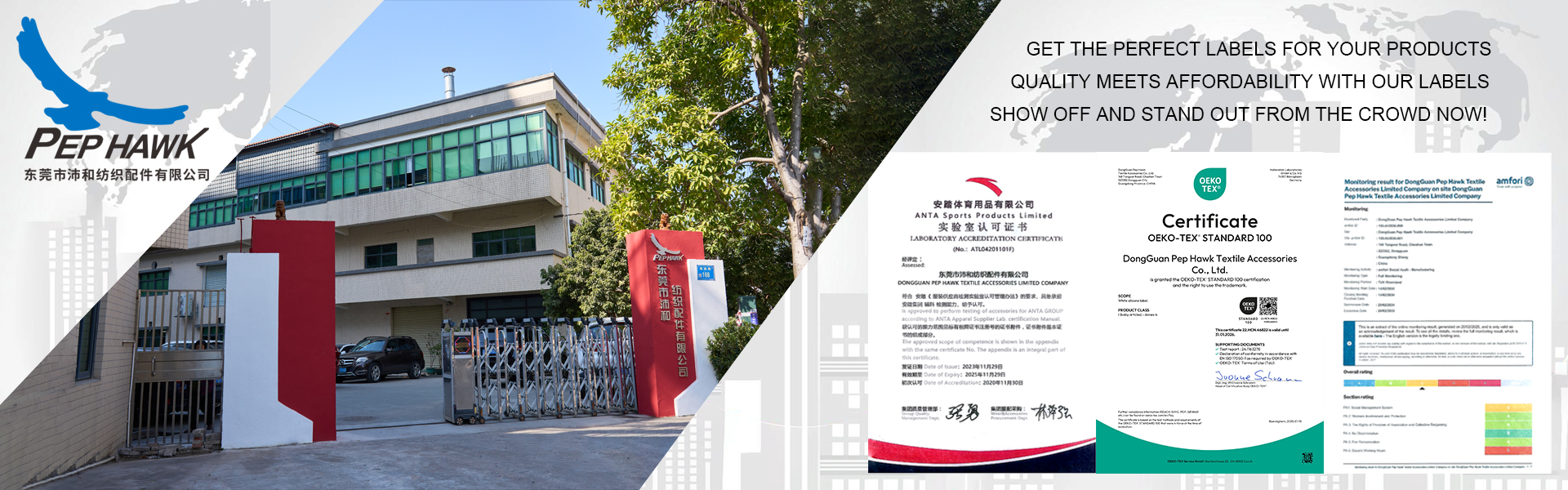
Why industry experts insist iron-on patch caps master personalization via practical precision
Why custom Letterman patches remain a timeless emblem of personal achievement and team identity