How to Apply Custom Waterproof Labels Effectively
2024-12-25
Shop custom waterproof labels that combine quality and versatility. Perfect for products exposed to moisture, our labels maintain their integrity and appearance.
Waterproof labels have become essential for many industries that rely on durable identification labels that can withstand exposure to the elements. These labels not only offer a long-lasting solution but can also improve a product's appearance and branding. However, applying waterproof labels requires some knowledge and skills to ensure that they are correctly secured and will not peel off over time. In this article, we explore some of the essential factors to consider when applying custom waterproof labels.
Choosing the Right Waterproof Label Material
The first step in applying effective waterproof labels is choosing the right material. There are a variety of materials available on the market, including vinyl, polyester, and polypropylene. Each of these materials has unique properties and is suitable for different use cases. For instance, vinyl is known for its flexibility and resistance to heat and tear, making it ideal for outdoor applications. Polyester, on the other hand, is generally the preferred choice for labels that require high-resolution printing. Polypropylene offers cost-effective options for short term applications that don't require high durability.
To select the right waterproof label material, factors such as the application environment, product type, and the quality of print required must be considered.
Effective Label Design
Designing a custom waterproof label is essential to creating a unique brand image that stands out in a cluttered marketplace. With hundreds of designs to choose from, selecting the right design for your product can significantly boost customer engagement. Creating a visually appealing design that effectively represents your product is vital in increasing sales and customer loyalty.
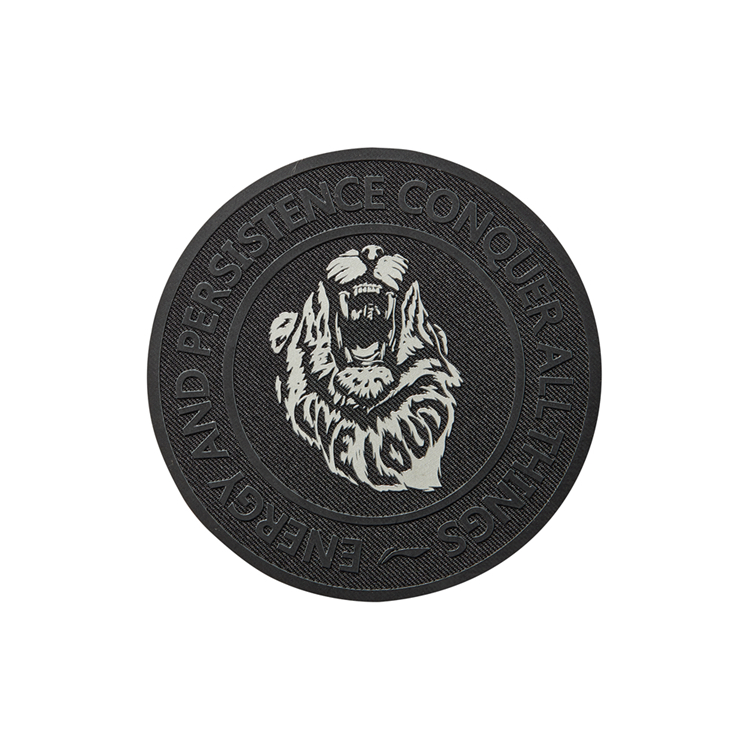
Successful label designs often require striking a balance between aesthetics, simplicity, and information hierarchy. To create a custom waterproof label, it is essential to consider the label's size, shape, and material. A waterproof label may require simple graphics and fonts that are legible and readable to compensate for the limited space. Using bright colors can make the label more visible and memorable.
Another consideration to make when designing an effective waterproof label is identifying your target audience to customize the label's design accordingly. A label that resonates with your target audience will make your brand relatable and trustworthy.
Product labels are often designed using vector graphics software such as Adobe Illustrator or CorelDraw. Such software allows you to adjust artboard, colors, and design elements to create a high-quality design. An essential factor when designing your custom waterproof label is considering the proper resolution required for printing.
Effective label design plays a significant role in ensuring the longevity of your waterproof label and the product's identity as a whole. Choosing a high-quality design and printing a clear image ensures your label retains its durability and legibility.
Proper Application Techniques
A perfectly applied waterproof label enhances its visibility and longevity. A poorly applied waterproof label, on the other hand, may peel off, wrinkle, or fold, detracting from the overall product aesthetic. To avoid such issues, consider the following application techniques.
The first step is to prepare the product surface for the waterproof label. The surface must be dry, free from oil, debris, and dust. An alcohol solution or an industrial dust remover can be used to clean the surface and increase adhesiveness. Once the surface is clean, proceed to peel off the label liner, which protects the adhesive side of the label.
The application method varies depending on the surface of the product. Straight surfaces such as bottles or containers require a direct application along the label's margin. Curved surfaces pose a unique challenge since they require a tapered edge to avoid wrinkles or air bubbles. When applying the label, start from one side of the label and work on it slowly to align the label correctly and avoid creases.
Be cautious when handling the adhesive part of the label to avoid damaging its adhesiveness. Sometimes, using the wrong adhesive tape or wrong application surfaces could affect the strength and durability of the label.
Following these proper application techniques ensures that the waterproof label's quality and adhesiveness are maintained to increase the product's aesthetic and marketing value.
Maintenance and Longevity
Maintenance and longevity of waterproof labels preserve the printing quality and adhesiveness of the label. If the label gets dirty, mild detergent and a damp paper towel can be used to clean and preserve the print without damaging the adhesive properties.
Avoid exposing the labeled product to direct sunlight or harsh environmental conditions like high temperatures and humidity. These elements may weaken the adhesiveness and possibly make the label fall off.

Conclusion
Applying custom waterproof labels requires careful consideration, from material selection, label design, application technique, handling, and maintenance. Applied correctly, these labels offer excellent durability and can protect a product's identity despite adverse weather conditions. Manufacturers and designers should carefully consider the correct material, design, and application techniques to ensure the product retains a quality aesthetic appearance and labeling information.
If you are looking for high-quality custom labels and skins for your products, look no further than PEPHAWK.
What Is the Cost of Producing Custom Foil Labels
Popular Logo Patch Styles for Shirts


SEND MESSAGE