

Custom Shirt Patches: A Personalized Touch to Your Garments for Purchasing
2025-01-11
Personalize your apparel with our custom shirt patches. High-quality materials and unique designs ensure your clothing stands out in any crowd.
In the world of fashion and personal expression, custom shirt patches offer a unique and creative way to add a personal touch to your clothing. Whether you're looking to create a one-of-a-kind fashion statement, represent your favorite team or club, or simply add a touch of whimsy to your wardrobe, custom shirt patches can help you achieve that. This article will explore the history of shirt patches, the process of creating custom patches, the different types of patches available, and how they can be effectively used to enhance your style and express your identity.
The History of Shirt Patches
Shirt patches have a long and rich history that dates back to ancient civilizations. Originally used for practical purposes such as repairing damaged clothing, patches soon evolved into a form of decoration and identification. In the military, patches were used to denote rank, unit, and achievements, becoming an important symbol of identity and pride. Over time, the use of patches spread to civilian life, with clubs, organizations, and sports teams adopting them as a way to show affiliation and unity.
In the modern era, shirt patches have become a popular fashion accessory, used by individuals to express their personality, interests, and affiliations. From vintage-style patches to modern, custom-designed pieces, there is a wide variety of patches available to suit every style and preference.
The Process of Creating Custom Shirt Patches
Creating custom shirt patches involves several steps, from designing the artwork to selecting the materials and production method. Here is a detailed breakdown of the process:
1. Designing the Artwork
The first step in creating custom shirt patches is designing the artwork. This can be done using graphic design software such as Adobe Illustrator or Photoshop, which allows for high-resolution and vector-based designs. The design should be clear and concise, with a focus on readability and visual impact. It's important to consider the size and placement of the patch on the shirt, as well as the intended message or theme.
2. Choosing the Material
The choice of material for custom shirt patches depends on the desired look and feel, as well as the intended use. Common materials include:
-
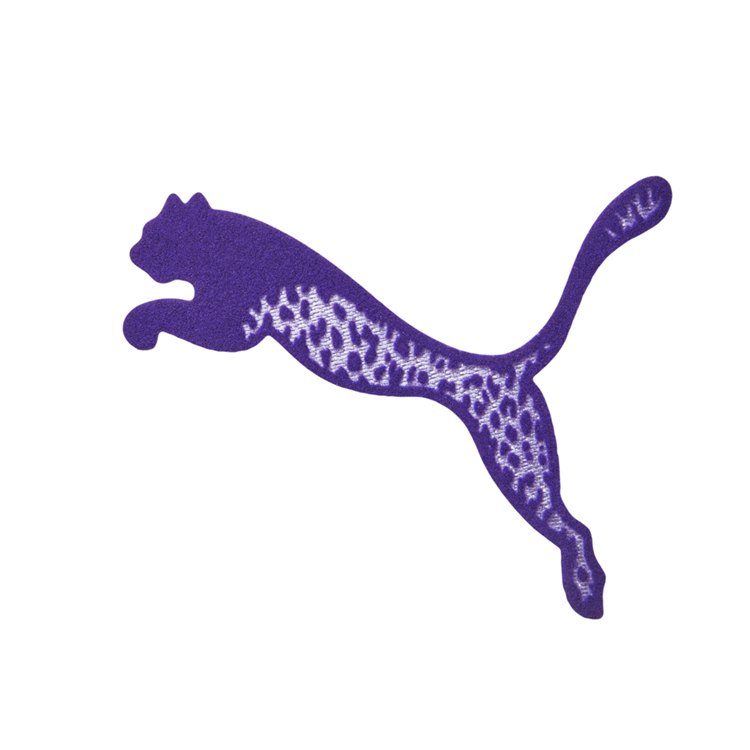
Embroidery: Embroidered patches are made by stitching threads onto a fabric backing. They offer a high level of detail and can be produced in a wide range of colors. Embroidered patches are durable and have a classic, timeless look, making them suitable for a variety of applications.
-
Heat Transfer Vinyl (HTV): HTV patches are created by cutting the design from colored vinyl and then applying it to the shirt using a heat press. This method allows for vibrant colors and intricate designs, and is ideal for creating patches with multiple colors and layers.
-
Felt: Felt patches have a soft, tactile feel and are often used for more casual or whimsical designs. They can be embroidered or appliquéd onto the shirt, adding a handmade touch to the garment.
3. Selecting the Production Method
The production method for custom shirt patches depends on the material and design. For embroidered patches, a computer-controlled embroidery machine is used to stitch the design onto the fabric. The machine can follow complex patterns and produce high-quality, detailed embroidery.
For HTV patches, a vinyl cutter is used to cut the design from the colored vinyl. The cut pieces are then arranged on the shirt and applied using a heat press, which applies heat and pressure to bond the vinyl to the fabric.
4. Quality Control and Finishing
After the patches are produced, they undergo quality control checks to ensure they meet the desired standards. This includes checking for any defects in the embroidery or vinyl application, as well as ensuring the colors are accurate and consistent.
Once the patches pass quality control, they are finished with a backing material to provide stability and prevent fraying. The backing can also be used to attach the patch to the shirt, either by sewing or using adhesive.
Types of Custom Shirt Patches
1. Embroidered Patches
Embroidered patches are a popular choice for their durability and classic look. They can be produced in a wide range of sizes and shapes, and can include intricate details and multiple colors. Embroidered patches are often used for military and law enforcement uniforms, as well as for clubs, organizations, and sports teams.
2. Heat Transfer Vinyl (HTV) Patches
HTV patches offer a modern and vibrant alternative to traditional embroidery. They can be produced in any color and can include intricate designs and multiple layers. HTV patches are ideal for creating custom designs with a high level of detail and color accuracy. They are often used for fashion and lifestyle applications, as well as for promotional and advertising purposes.
3. Felt Patches
Felt patches have a soft, tactile feel and are often used for more casual or whimsical designs. They can be embroidered or appliquéd onto the shirt, adding a handmade touch to the garment. Felt patches are popular for children's clothing and for creating personalized gifts.
4. Leather Patches
Leather patches offer a rugged and sophisticated look, making them ideal for jackets and outerwear. They can be embossed or engraved with a design, adding a touch of luxury and style. Leather patches are often used for motorcycle clubs, biker jackets, and high-end fashion applications.
Applications of Custom Shirt Patches
1. Fashion and Personal Style
Custom shirt patches can be used to add a personal touch to your wardrobe. They can be attached to shirts, jackets, hats, and bags, allowing you to express your personality and interests. Whether you're a fan of a particular band, sports team, or hobby, a custom patch can help you show your affiliation and start conversations.
2. Clubs and Organizations
For clubs and organizations, custom shirt patches can be used to create a sense of unity and identity. They can be used on uniforms, jackets, and other garments, helping members recognize each other and feel a sense of belonging. Patches can also be used to denote rank, achievements, or special events, adding a layer of meaning and tradition to the organization.
3. Sports Teams
Sports teams often use custom shirt patches to represent their team identity and spirit. Patches can be used on jerseys, jackets, and bags, helping players and fans show their support and pride. They can also be used to commemorate special events, such as championship wins or milestone achievements, adding a touch of history and tradition to the team.

4. Promotional and Advertising
Custom shirt patches can be an effective tool for promotional and advertising purposes. They can be used to promote a brand, product, or event, and can be distributed to customers, attendees, or participants. Patches can be attached to clothing, bags, or other items, providing a mobile and eye-catching form of advertising.
Tips for Using Custom Shirt Patches
1. Choose the Right Patch for Your Garment
When selecting a custom shirt patch, consider the type of garment it will be attached to. For example, embroidered patches are ideal for uniforms and jackets, while HTV patches can be used for t-shirts and casual wear. Felt patches are perfect for children's clothing, and leather patches add a touch of sophistication to outerwear.
2. Consider the Size and Placement
The size and placement of the patch are important factors to consider. A large patch can make a bold statement, while a smaller patch can add a subtle touch of style. Placement can also affect the overall look and balance of the garment. Common placement options include the chest, sleeve, or back of the shirt.
3. Match the Patch to Your Style
Custom shirt patches should complement your personal style and the overall look of your wardrobe. If you have a more casual style, felt or HTV patches might be a good choice. For a more formal or traditional look, embroidered or leather patches can add a touch of elegance.
4. Use Patches to Tell a Story
Custom shirt patches can be used to tell a story or convey a message. Whether it's a patch that represents a personal achievement, a favorite quote, or a special memory, a well-chosen patch can add depth and meaning to your garment.
5. Take Care of Your Patches
To ensure the longevity of your custom shirt patches, take care of them properly. Follow the care instructions provided by the manufacturer, and avoid exposing the patches to excessive heat or moisture. For embroidered patches, avoid ironing directly on the patch, and for HTV patches, avoid using harsh chemicals or abrasive materials when cleaning.
Conclusion
Custom shirt patches offer a unique and creative way to add a personal touch to your garments, express your identity, and represent your affiliations. By understanding the history of shirt patches, the process of creating custom patches, and the different types and applications available, you can effectively use custom shirt patches to enhance your style and make a statement. Whether you're a fashion enthusiast, a member of a club or organization, or a sports team player, custom shirt patches can help you stand out and show your pride. With the right design, material, and placement, custom shirt patches can become a cherished part of your wardrobe, adding a touch of personality and style to every outfit.
How Do I Choose a Style for My Cartoon Logo
The Best Red for Logo: A Comprehensive Guide to Choosing the Perfect Shade




SEND MESSAGE