7 Costly Mistakes to Avoid with Custom Shirt Decals: Here's How to Guarantee a Professional Finish Every Time
Create your own custom shirt decals with our easy-to-use design tools. Stand out with personalized styles that reflect your individuality. Explore today!
1. Ignoring Material Quality: The Foundation of Durability
The material of your decal is the foundation of its longevity and appearance. Many people opt for cheaper materials without considering their end-use environment, leading to fading, cracking, or peeling.
High-quality vinyl, polyester, or heat-transfer materials are essential for durability. For outdoor use or frequent washing, PVC-free vinyl with UV-resistant properties ensures vibrant colors and resistance to wear and tear. Always prioritize materials that align with the intended purpose—whether it’s athletic wear, casual apparel, or heavy-duty uniforms.
Pro Tip: Test samples under real-world conditions (e.g., washing, sunlight exposure) before committing to bulk production. This step saves time and money in the long run.
2. Overlooking Design Resolution: Clarity Matters
A blurry or pixelated design instantly diminishes the perceived value of your custom shirt decals. Many designers mistakenly believe that any image will suffice when scaled down, but low-resolution files often result in poor print quality.
To guarantee sharpness, always use vector-based designs (e.g., AI, EPS formats) or high-resolution raster images (300 DPI minimum). Vector graphics allow infinite scalability without losing clarity, making them ideal for intricate logos or text-heavy designs.
Why It’s Different: Unlike traditional printing methods, modern digital presses demand precision. Investing in professional-grade design software or hiring experienced graphic designers ensures your decals maintain crisp edges and vivid details.
3. Neglecting Color Matching: Precision in Branding
Color inconsistency is a silent killer of brand recognition. When your decals don’t match your company’s official palette, customers may perceive a lack of attention to detail.
Use standardized color systems like Pantone Matching System (PMS) to achieve accurate hues. Communicate clearly with your supplier about specific shades and request physical proofs before mass production. Additionally, consider how different fabrics absorb ink—dark backgrounds may require white underbase layers for true color vibrancy.
Unique Insight: Brands often overlook lighting conditions during photography or display. Ensure your decals look consistent across various environments by testing under natural, artificial, and fluorescent light.
4. Skipping Proper Sizing and Placement Guidelines
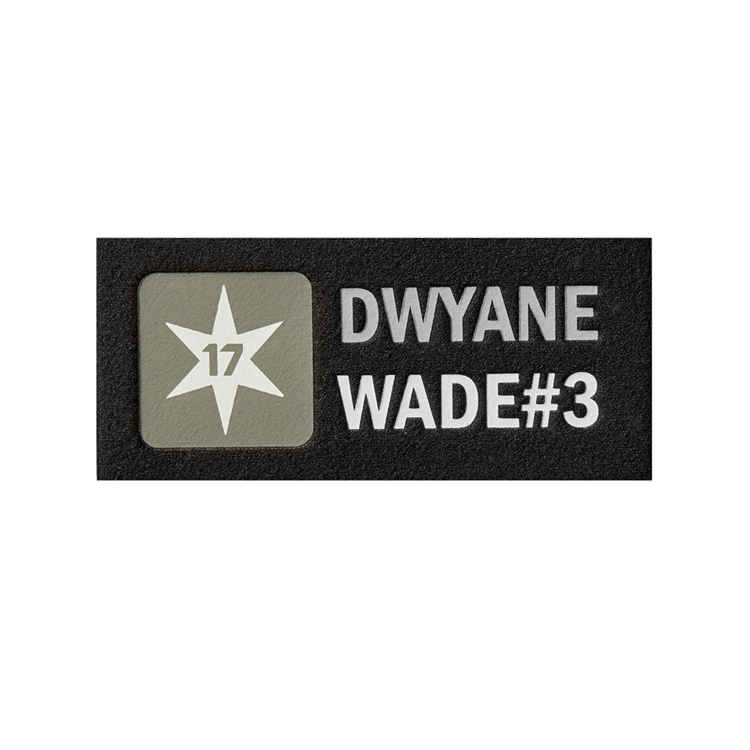
Even the most stunning design can fail if improperly sized or placed on a garment. A decal too large overwhelms the shirt, while one too small gets lost in the fabric. Similarly, misaligned placement disrupts visual harmony.
Establish clear guidelines for sizing based on the garment type (e.g., chest logos should be 3-4 inches wide for standard t-shirts). Use templates or mockups to visualize placement options before printing. Collaborate closely with your manufacturer to ensure alignment accuracy during application.
Standout Strategy: Offer customization services where clients can preview their designs on virtual garment models. This interactive approach not only enhances customer satisfaction but also reduces errors.
5. Underestimating Adhesive Strength: Longevity Through Technology
One of the biggest complaints about custom decals is premature peeling. This issue stems from inadequate adhesive technology or improper surface preparation.
Choose decals with industrial-strength adhesives designed for textiles. Heat-activated transfers bond permanently with fibers, offering superior durability compared to pressure-sensitive alternatives. Pre-wash garments to remove sizing agents that could interfere with adhesion, and follow curing instructions meticulously.
Industry Edge: Some suppliers now offer eco-friendly adhesive options that perform as well as conventional ones while meeting sustainability goals—a key selling point for environmentally conscious brands.
6. Failing to Account for Fabric Compatibility
Not all fabrics react the same way to decals. Cotton, polyester, blends, and performance fabrics each pose unique challenges. Applying a decal meant for cotton onto spandex, for instance, can lead to stretching, distortion, or bubbling.
Research the best decal types for your chosen fabric. Sublimation works wonders on polyester, while screen printing excels on cotton. For stretchy materials, opt for flexible vinyl that moves with the fabric without cracking.
Innovative Twist: Hybrid solutions combining multiple techniques (e.g., embroidery accents paired with printed decals) create visually striking results tailored to specific fabrics.
7. Overcomplicating the Process: Streamline for Success
Complexity breeds inefficiency. From convoluted ordering processes to overly detailed designs, unnecessary complications can delay projects and inflate costs.
Simplify workflows by partnering with reputable suppliers who offer comprehensive support—from design consultation to post-production care. Keep designs clean and impactful; avoid overcrowding elements that detract from readability. Automate repetitive tasks using project management tools to streamline communication and approvals.
Key Advantage: By simplifying operations, you free up resources to focus on innovation and customer experience, setting yourself apart from competitors bogged down by inefficiencies.
When confronted with the task of producing intricate design drafts of the highest quality, PEPHAWK is here to provide the perfect solution. With over 16 years of industry experience and our esteemed general manager boasting 31 years of expertise in the silicone industry, we are the ultimate choice for tackling your challenging logo design projects. Select PEPHAWK for our unmatched proficiency and rest assured in the impeccable outcomes we consistently deliver.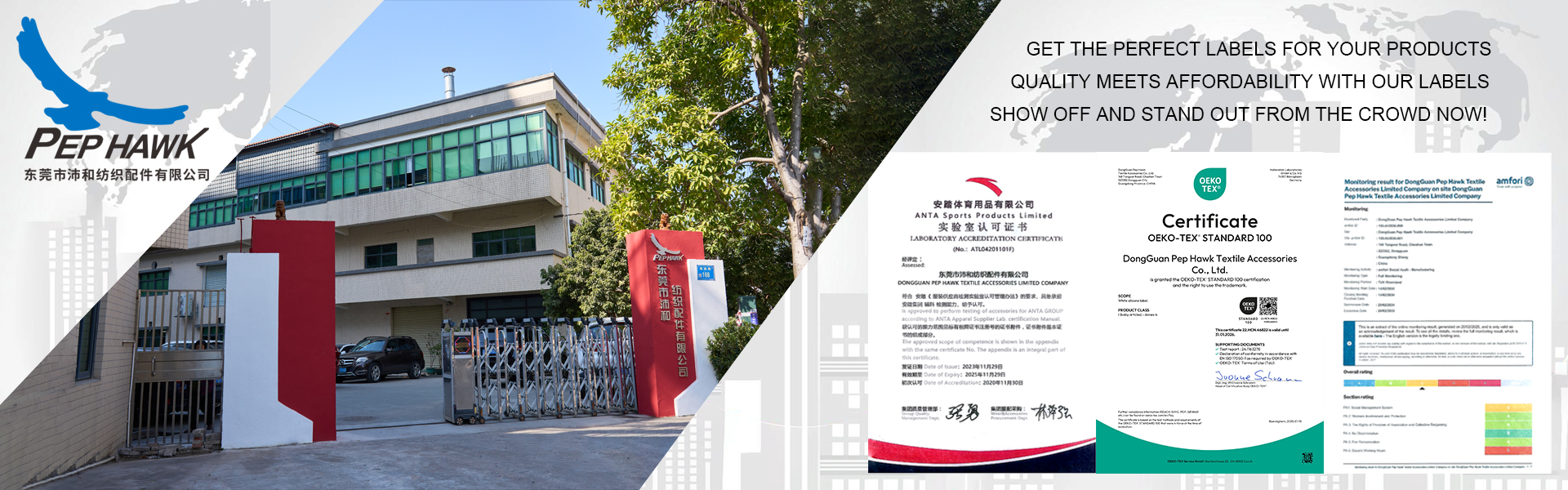
5 Critical Errors that Cause Peeling: Why Your Heat Transfer Decals for T-shirts Fail and How to Stop It for Good
How Can Using a Heat Press for Iron On Patches Slash Your Production Time by 70%? The Game-Changer for Bulk Orders