Why Everyone Is Obsessed With These Squishy Custom Sewn On Patches
Table of Contents
- Core Design Elements of Silicone Sewn Patches
- Full Technical Specifications
- Silicone Performance and Endurance Metrics
- Customization Options Matrix
- Application and Stitching Guidance
- Size Constraints and Mold Parameters
- Artwork and Mold Tooling Requirements
- Material Comparison for Outdoor Badges
- Quick Product FAQs
- Secure Your Custom Silicone Order
Squishy Yet Stitched Custom Sewn On Patches Unleashed
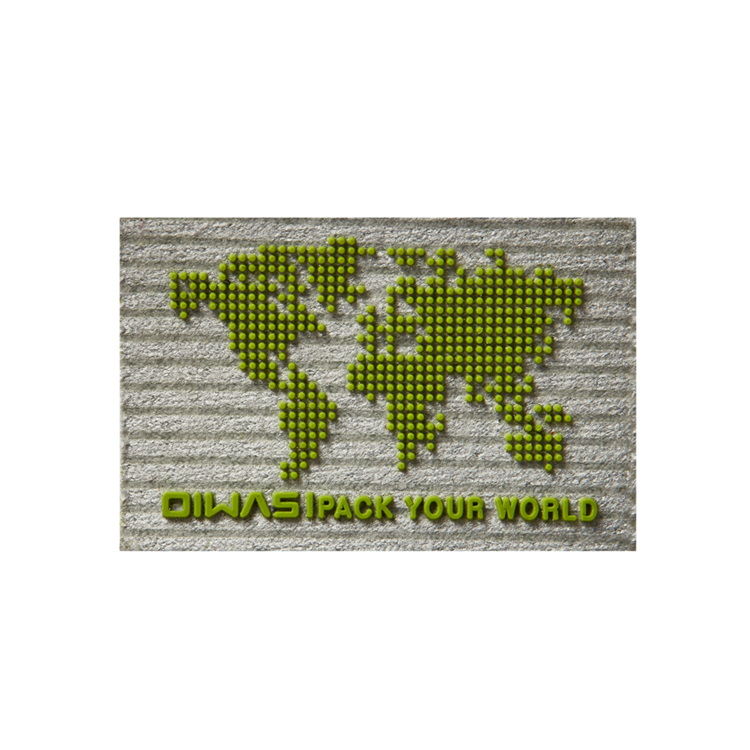
Run your fingers across the surface. It yields slightly to the pressure, then snaps right back into its original three-dimensional shape. This is not thread. This is not ink. This is premium, eco-friendly elastomer fused with a heavy-duty textile base. When outdoor brands, tactical gear manufacturers, and streetwear labels demand a badge that survives the washing machine, the mud, and the friction of daily wear without fraying a single edge, they turn to molded silicone. By combining high-density silicone with a stitchable fabric border, we have engineered a highly specialized breed of custom sewn on patches that deliver the tactile satisfaction of rubber with the permanent attachment of traditional tailoring.
Below is the complete product blueprint of our silicone-based custom sewn on patches, broken down by material science, mold engineering, attachment mechanics, and exact manufacturing parameters.
Core Design Elements of Silicone Sewn Patches
Every silicone patch built for sewing is constructed from four distinct structural layers and design features. Altering any single element changes the flexibility, weight, and visual impact of the final product.
The Silicone Compound and Durometer
The body of the patch is formulated from 100 percent platinum-cured silicone. This specific curing process ensures the material is entirely free of PVC, phthalates, and toxic plasticizers, achieving OEKO-TEX and REACH compliance for direct skin contact. The hardness is measured on the Shore A scale. A standard 40 Shore A yields a firm, structured badge ideal for heavy jackets and backpacks. A softer 20 Shore A creates a highly flexible, squishy patch that contours perfectly to curved surfaces like baseball caps or neoprene wetsuits.

Three-Dimensional Molded Topography
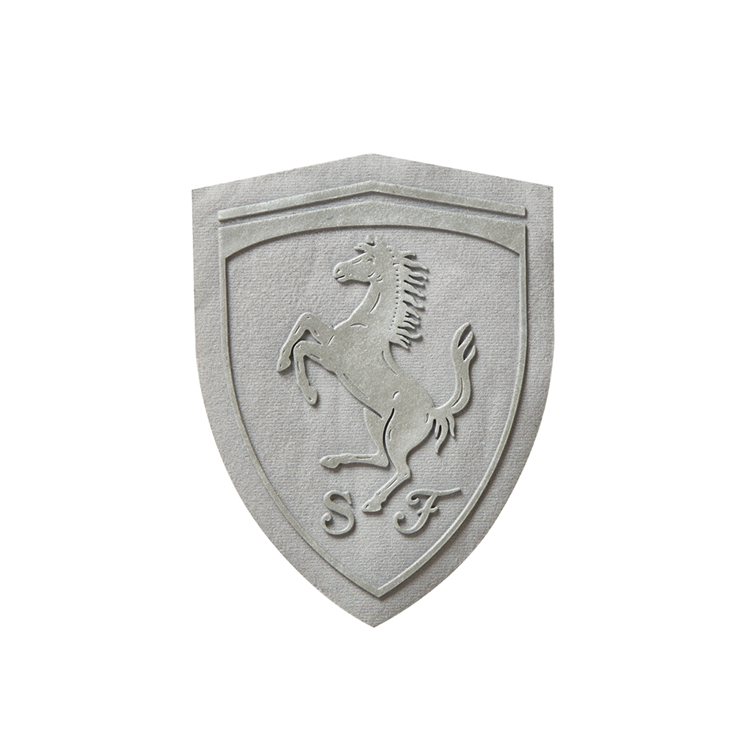
Unlike flat printed labels, these custom sewn on patches are born from CNC-machined aluminum or brass molds. This allows for multi-level topography. Designs can feature deep debossed channels that trap dirt away from the raised logo, or high-relief embossed lettering that stands up to 3 millimeters off the base. The edges of the silicone elements are micro-beveled during the molding process to prevent sharp corners from catching on gear or scratching the skin.
The Fabric Backing and Sew Channel
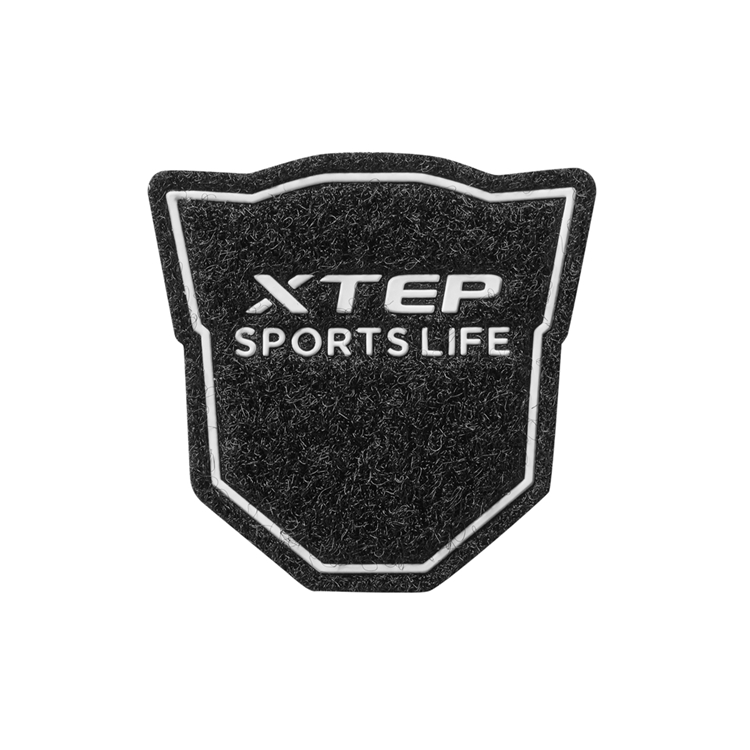
Pure silicone tears when pierced repeatedly by a sewing needle. To solve this, our custom sewn on patches utilize an extended fabric backing system. The silicone is heat-bonded or molded directly onto a rugged cotton twill, polyester twill, or vegan leather base. The fabric extends exactly 4 millimeters beyond the perimeter of the silicone graphic. This exposed fabric border acts as a dedicated sew channel, allowing the needle to pass cleanly through woven threads rather than solid rubber, ensuring the patch never rips away from the garment.
Color Infusion and Surface Finishes
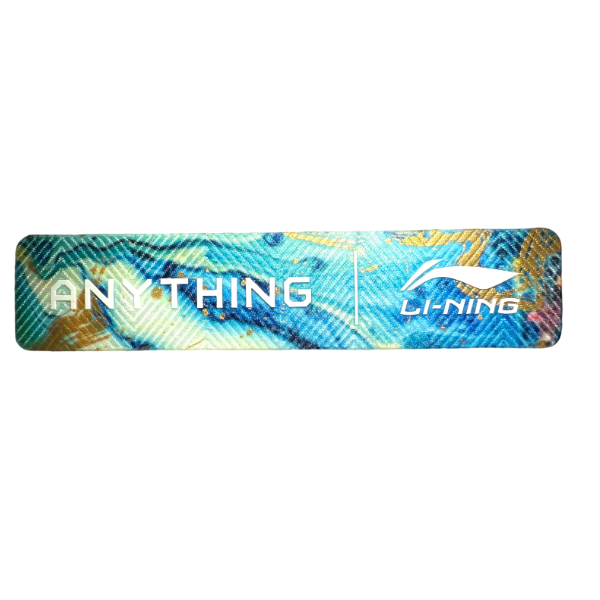
Color is not printed on the surface; it is injected into the mold. This means the pigment runs completely through the silicone body. If the patch is scratched or abraded over years of use, the color remains identical underneath. Available finishes include matte (anti-glare for tactical use), glossy (high contrast for fashion), and translucent (allowing backlighting or LED integration). Specialized compounds include glow-in-the-dark powders for night visibility and reflective glass-bead infusions for safety apparel.
Full Technical Specifications
| Parameter | Detail |
|---|---|
| Patch Type | Silicone molded with fabric sew border |
| Main Material | 100% Platinum-Cured Eco-Silicone |
| Hardness Range | 20 Shore A (Soft) to 60 Shore A (Rigid) |
| Silicone Thickness | 1.5 mm to 4.0 mm (Multi-level capable) |
| Backing Material | Cotton Twill, Poly Twill, Felt, Vegan Leather |
| Sew Channel Width | 3 mm to 5 mm exposed fabric border |
| Mold Type | CNC Brass or Aluminum Injection Mold |
| Color Method | In-mold pigment injection (Solid core) |
| Max Colors Per Mold | 4 distinct color injections |
| Temperature Tolerance | -40 °C to +230 °C |
| Minimum Order Quantity | 100 pcs (per mold design) |
| Production Lead Time | 10 to 15 business days (includes mold tooling) |
Silicone Performance and Endurance Metrics
| Test Parameter | Result and Rating |
|---|---|
| Industrial Wash Cycles | 100+ cycles at 60 °C with zero delamination |
| Abrasion Resistance | Excellent (Silicone self-heals minor micro-scratches) |
| UV and Sunlight Fade | 500+ hours QUV testing with < 2% color shift |
| Chemical Resistance | Impervious to sweat, salt water, oils, and mild solvents |
| Tensile Strength | ≥ 8 MPa (Fabric backing prevents structural tearing) |
| Elongation at Break | ≥ 300% (Highly flexible without snapping) |
| Water Absorption | 0% (Completely hydrophobic and quick-drying) |
| Fire Retardancy | Self-extinguishing (UL94 V-1 equivalent) |
Customization Options Matrix
| Customization Element | Options Available | Tooling or Unit Impact |
|---|---|---|
| Mold Tooling | 2D flat mold or 3D multi-level mold | One-time CNC mold fee required |
| Fabric Border Color | Standard black, white, or custom Pantone dye | Free for standard, dye fee for custom |
| Edge Finish | Raw cut fabric or merrowed overlock stitch on fabric | Merrowing adds $0.08 per piece |
| Special Compounds | Glow-in-the-dark, Reflective, Thermal-chromic | Adds 15% to unit material cost |
| Backing Adhesive | Heat-activated film pre-applied to fabric back | Adds $0.05 per piece (for iron-on assist) |
| Packaging | Bulk poly bag or individual retail box | Retail box adds $0.25 per piece |

Application and Stitching Guidance
Attaching silicone-based custom sewn on patches requires specific needle and thread choices to accommodate the dense fabric border and the weight of the silicone graphic.
Use a heavy-duty denim or leather needle (size 16/100 or 18/110). The sharp point is required to pierce the dense twill backing cleanly without deflecting. Standard universal needles may snap or skip stitches. For thread, select a bonded nylon or heavy-duty polyester thread (Tex 40 or Tex 60). Cotton thread will rot over time when exposed to outdoor moisture, whereas nylon and polyester match the weatherproof nature of the silicone itself.
A standard straight stitch placed 2 millimeters from the edge of the fabric border provides maximum hold. For garments that will undergo extreme stress, such as tactical vests or heavy canvas work bags, a box-X stitch at the corners of rectangular patches distributes the tension load evenly across the fabric base. Because the silicone is hydrophobic, water rolls directly off the graphic and through the garment weave, meaning the patch will never hold moisture against the fabric and cause mildew.
Size Constraints and Mold Parameters
| Dimension Category | Limits and Tolerances |
|---|---|
| Minimum Graphic Size | 15 mm x 15 mm (Fine text must be ≥ 1.2 mm wide) |
| Maximum Mold Size | 250 mm x 250 mm (Larger requires segmented molds) |
| Line Weight Minimum | 0.8 mm for debossed lines, 1.0 mm for embossed ridges |
| Fabric Border Tolerance | ± 0.5 mm from the silicone edge |
| Thickness Tolerance | ± 0.15 mm across the molded surface |
| Symmetry Tolerance | ± 1.0 mm for standard geometric shapes |
Artwork and Mold Tooling Requirements
Designing for silicone requires a different approach than designing for embroidery. Vector files (AI, EPS, or PDF) are mandatory. Because the design is carved into a metal mold by a CNC bit, internal corners must feature a minimum fillet radius of 0.5 mm. Perfectly sharp 90-degree internal corners cannot be milled and will be rounded during tooling.
Text must be converted to outlines. The minimum cap height for legible debossed text is 3 millimeters. If the text is smaller, it must be raised (embossed) rather than sunken, as raised text holds better definition in the silicone pour. Once the 2D or 3D artwork is approved, a CAD simulation of the mold flow is generated to ensure the liquid silicone fills every micro-crevice of the design before curing.
Material Comparison for Outdoor Badges
| Feature | Silicone Sewn Patches | Traditional PVC Patches | Embroidered Patches | Woven Fabric Patches |
|---|---|---|---|---|
| Tactile Feel | Soft, squishy, premium | Hard, rigid, rubbery | Textured, thread-based | Flat, smooth, tapestry |
| Eco-Friendly | Yes (PVC/Phthalate free) | No (Contains plasticizers) | Yes (Cotton/Poly threads) | Yes (Poly/Cotton threads) |
| 3D Detail Depth | High (Up to 4mm relief) | High (Up to 3mm relief) | Low (Flat or slight puff) | None (Completely flat) |
| Cold Weather Flex | Remains flexible at -40 °C | Becomes brittle and cracks | Remains flexible | Remains flexible |
| Mud and Dirt | Wipes clean instantly | Wipes clean instantly | Traps dirt in thread gaps | Stains easily |
| Attachment Method | Fabric border sew channel | Velcro or direct sew holes | Direct sew or iron-on | Direct sew or iron-on |
Quick Product FAQs
Does the silicone peel off the fabric backing over time?
No. The silicone is either heat-vulcanized directly into the weave of the twill or bonded with industrial-grade aerospace adhesives. Delamination under normal washing and wearing conditions is virtually impossible.
Can I match a specific Pantone color for the silicone?
Yes. We use a digital spectrophotometer to mix raw silicone pigments. We can achieve exact Pantone matches for solid colors, though metallic and fluorescent silicone pigments have a slightly more limited gamut.
Will the fabric sew border fray after cutting?
If you select the merrowed overlock edge option, the fabric border is wrapped in thread, completely preventing fraying. If left raw-cut, the dense twill weave is treated with a heat-sealant to lock the fibers in place.
Are these patches safe for children's clothing?
Absolutely. The platinum-cured silicone is medical-grade, hypoallergenic, and passes all CPSIA and REACH regulations for heavy metals and toxic chemicals, making it perfectly safe for infant and children's apparel.
Secure Your Custom Silicone Order
The intersection of soft-touch elastomers and heavy-duty tailoring creates a badge that simply outlasts the garment it is attached to. These custom sewn on patches offer a premium, modern aesthetic that elevates workwear, outdoor gear, and high-end streetwear above standard embroidered alternatives.
Upload your vector artwork today to receive a free 3D mold simulation and a digital fabric mockup. Our engineering team will optimize your line weights for CNC tooling and provide a precise quote for mold creation and bulk unit pricing.
Can the Right Heat Press Silicone Apparel Patch Instantly Give Your Streetwear a High-End Designer Finish?
How to Make Vinyl Stickers with a Unique Logo
Related Article