

Explore How Custom Patches Fuse Timeless Craftsmanship, Innovation, and Functional Design
Personalize your wardrobe with custom sewing patches. Choose from various designs or create your own to make a statement. Shop now for unique options!
What Are Custom Sewing Patches?
Custom sewing patches are fabric appliqués designed to be stitched onto garments, accessories, or gear. Unlike heat-sealed alternatives, sewing patches offer superior durability, making them ideal for high-stress environments. They are crafted using techniques such as embroidery, woven labels, or felt appliqués, and can be tailored to meet specific size, shape, and material requirements.
Key Features of Sewing Patches
- Versatility : Used for repairing worn fabrics, adding logos, or enhancing aesthetics.
- Durability : Sewing ensures longevity, especially in rugged settings like outdoor gear or workwear.
- Customization : Available in countless colors, textures, and finishes, from vintage denim to high-tech performance fabrics.
According to the Sewing Industry Association (SIA), the global market for sewing patches grew by 4.5% in 2022, driven by demand for sustainable fashion and personalized apparel (SIA, 2023).
Types of Sewing Patches and Backing Options
Understanding patch types and attachment methods is critical to selecting the right solution:
1. Sew-On Patches
- Merrowed Edge : A clean, finished border ideal for visible applications.
- Heat-Cut Edge : A cost-effective option for less formal uses.
- Fray-Check : Prevents unraveling on delicate fabrics.
2. Iron-On Patches
While technically not “sewn,” these patches include a heat-activated adhesive for temporary fixes. However, they lack the durability of sewn versions.
3. Hybrid Designs
Some patches combine sewing with additional features, such as reflective materials for safety gear or antimicrobial coatings for medical uniforms.
The SIA reports that 78% of professionals in high-risk industries prefer sew-on patches for their resilience, compared to just 22% who opt for adhesive alternatives (SIA, 2023).
Applications Across Industries
Custom sewing patches serve diverse sectors, each with unique demands:
1. Fashion and DIY Culture
The rise of “visible mending” has transformed patches into fashion statements. Brands like Patagonia and independent designers encourage customers to repair clothing with bold, artistic patches, aligning with sustainability trends. A 2022 Nielsen survey found that 64% of consumers are more likely to buy from brands promoting circular fashion practices (Nielsen, 2022).
2. Military and Law Enforcement
Sew-on patches denote rank, unit affiliation, and service history. For example, the U.S. Army’s distinctive shoulder sleeve insignia requires precise embroidery to meet strict military specifications.
3. Workwear and Safety Gear
Construction and manufacturing sectors use reinforced patches to extend the lifespan of uniforms. Reflective patches on high-visibility jackets ensure compliance with OSHA safety standards.
4. Hobbies and Personalization
Scout troops, motorcycle clubs, and cosplay communities rely on patches to signify membership and creativity. Platforms like Etsy have fueled demand for custom designs, with sellers offering bespoke options for niche audiences.
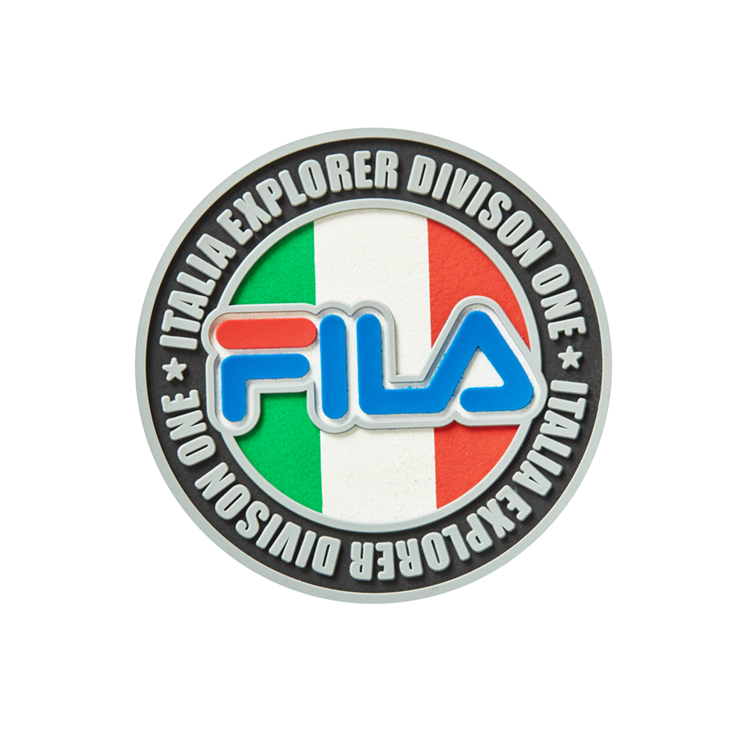
Designing Effective Sewing Patches
A well-executed patch balances form and function. Below are critical considerations for optimal results:
1. Material Selection
- Denim/Cotton : Soft and breathable, ideal for casual wear.
- Polyester : Resistant to fading and abrasion, suited for outdoor use.
- Felt : Economical and easy to stitch, popular for children’s clothing.
The SIA recommends synthetic blends for patches exposed to frequent washing or friction, as they retain shape and color longer (SIA, 2023).
2. Thread and Stitching Techniques
- Contrasting Thread : Adds visual interest (e.g., white patches on denim with orange thread).
- Zigzag Stitch : Secures edges while allowing fabric stretch.
- Lockstitch : Provides maximum durability for heavy-duty applications.
3. Size and Placement
Avoid overcrowding garments. For jackets or bags, position patches on flat panels to prevent snagging. Small patches (1–3 inches) work best on curved surfaces like elbows or knees.
The Role of Technology in Modern Patch Production
Advancements in digital embroidery and laser-cutting have revolutionized patch manufacturing:
- Digital Embroidery : Allows intricate designs with ±0.05mm precision, reducing material waste.
- Laser Etching : Creates detailed patterns on synthetic fabrics without fraying.
- Eco-Friendly Dyes : Brands like Pangaia use plant-based dyes to meet consumer demand for sustainable products.
Grand View Research notes that the adoption of automated machinery has cut production lead times by 30%, enabling faster customization for small businesses and startups (Grand View Research, 2023).
Choosing the Right Manufacturer
Selecting a reliable partner ensures quality and consistency. Key criteria include:
- Experience : Prioritize suppliers with expertise in your industry (e.g., military-grade certifications).
- Samples : Request prototypes to test stitch density, colorfastness, and material compatibility.
- Minimum Order Quantities (MOQs) : Smaller businesses benefit from manufacturers offering low MOQs (10–50 units).
- Sustainability Practices : Verify use of recycled materials or renewable energy in production.
The SIA advises against prioritizing cost over quality, as poorly made patches can damage brand reputation or fail prematurely (SIA, 2023).
Conclusion: Patches as Tools for Connection and Longevity
Custom sewing patches are more than functional fixes—they are symbols of identity, sustainability, and craftsmanship. From reinforcing workwear to enabling creative expression, their strategic value lies in their adaptability and enduring appeal. By leveraging data-driven insights and partnering with trusted manufacturers, businesses and individuals can maximize the impact of these versatile textiles in an increasingly personalized and eco-conscious world.
Unveiling the Journey of Silicone Badges: Evolution, Real-World Utility, and Technological Progress
How Industry Professionals Highlight the Strategic Benefits of Custom Patch Design



