

Custom Reflective Patches for Clothing: Enhancing Safety and Visibility with Precision
Discover custom reflective patches for clothing that enhance visibility and style. Perfect for safety gear, sportswear, and personalized fashion statements.
Why Customization Matters: Beyond the Basic Sticker
While off-the-shelf reflective strips exist, their generic nature often fails to address the specific challenges of a given environment or task. Standard patches might be placed on a location that doesn't align with the driver's or pedestrian's line of sight, be too small to meet mandated visibility thresholds, or use materials that degrade prematurely under harsh conditions. Custom reflective patches, however, allow for precise tailoring:
- Strategic Placement: Positioning patches where they will be most visible to potential hazards (e.g., on the sides of a high-visibility vest for drivers approaching from the side, or on the lower back for cyclists) maximizes effectiveness.
- Size and Shape Optimization: Meeting regulatory requirements like EN ISO 20471 (the European standard for high-visibility clothing) or ANSI/ISEA 107 (US standard) demands specific minimum sizes for retroreflective materials. Custom patches ensure compliance without excess, costly material.
- Material Match: Different environments demand different materials. A patch for a warehouse worker needing visibility in dimly lit aisles requires different retroreflective properties (e.g., higher retroreflectivity in the 0.3° angle) than a patch for a road worker needing visibility from long distances at night. Customization allows selecting the optimal material – whether microprismatic film, glass bead, or a specialized composite – for the specific lighting conditions and distance requirements.
- Brand Integration: For organizations using branded safety uniforms, custom patches allow seamless integration of logos, safety information, or specific team identifiers without compromising visibility, enhancing brand recognition while maintaining safety standards.
The critical importance of this precision is underscored by data. A comprehensive 2020 report by the Occupational Safety and Health Administration (OSHA) analyzing workplace accidents involving vehicles and mobile equipment highlighted that inadequate visibility was a contributing factor in over 40% of incidents occurring in low-light conditions. Crucially, the report emphasized that effective visibility solutions – those meeting specific standards and applied correctly – significantly reduced incident rates. This data underscores that generic or poorly placed reflectors are insufficient; the solution requires thoughtful, customized engineering.
Designing for Performance: Material Science and Standards
The heart of a truly effective custom reflective patch lies in the material and its application. Modern high-performance patches primarily utilize microprismatic film, which offers superior retroreflectivity (the ability to reflect light back to its source) compared to older glass bead technology, especially at wider angles and over longer distances. This is critical for safety. Glass bead patches tend to have a "hot spot" effect, reflecting brightly only when viewed head-on, which is insufficient for the dynamic viewing angles encountered in real-world scenarios like intersections or moving vehicles.
- Retroreflectivity Metrics: Performance is measured in candelas per lux per square meter (cd/lx/m²). Standards like EN ISO 20471 specify minimum values for Class 1, 2, and 3 visibility garments. Class 3, for example, requires a minimum retroreflectivity of 500 cd/lx/m² for the material. Custom patches must be designed to consistently exceed these thresholds for their intended class.
- Durability and Environmental Resistance: Patches aren't just for show. They must withstand abrasion, UV exposure, moisture, cold, and cleaning processes without significant degradation in performance. High-quality patches utilize materials with robust backing and protective coatings. I have seen numerous field failures where low-cost patches, lacking proper UV stabilizers or abrasion resistance, became dull and ineffective within months, creating a false sense of security.
- Application Technique: The method of attaching the patch is as crucial as the patch itself. Adhesive must be strong enough to withstand environmental stress and wear but not damage the garment fabric. Heat-activation processes used for some patches can weaken the garment if not applied correctly. Professional application ensures longevity and performance. ISO 20471:2013+A1:2018 explicitly states that the performance of retroreflective materials must be verified after the application process, highlighting the importance of correct installation.

Diverse Applications: From Industry to Everyday Safety
The utility of custom reflective patches extends far beyond the obvious industrial settings:
- Construction & Roadwork: Essential for workers in high-risk areas. Custom patches on vests, sleeves, and legs ensure maximum visibility from multiple angles to heavy machinery operators and drivers.
- Emergency Services: Firefighters, paramedics, and police officers often require highly visible gear for nighttime operations. Custom patches on uniforms can integrate departmental insignia or specific emergency markings (e.g., "MEDIC," "FIRE") without sacrificing visibility.
- Utilities & Logistics: Workers managing traffic, inspecting infrastructure, or working in low-light conditions benefit from strategically placed patches on safety vests or jackets.
- Outdoor Recreation: Cyclists, runners, and hikers use patches on clothing or bags to enhance visibility to vehicles, especially during dawn, dusk, or night. Custom patches allow for personalization while meeting safety standards for low-light conditions.
- Corporate Safety: Companies with field staff (e.g., delivery drivers, site inspectors) can integrate custom patches into company-branded uniforms to ensure employees are visible to customers, clients, and traffic while maintaining a professional image.
This versatility is not accidental; it stems from the ability to tailor the patch to the specific task, environment, and regulatory requirements of each sector. A patch designed for a construction worker in a brightly lit environment will differ significantly from one intended for a cyclist in dense urban traffic.
Critical Pitfalls to Avoid: Ensuring Real Safety, Not Just Appearance
The market is flooded with low-quality reflective products that promise safety but deliver little. Relying on substandard patches can create dangerous complacency. Key pitfalls include:
- Ignoring Standards: Purchasing patches not certified to relevant standards (EN ISO 20471, ANSI/ISEA 107, AS/NZS 1906.4) is a major risk. These standards provide the objective performance criteria. Non-compliant patches may look reflective but fail to provide the necessary light return.
- Cheap Materials: Low-cost patches often use inferior glass bead film or poorly adhered microprismatic film. These degrade rapidly, losing reflectivity within weeks or months, rendering the garment unsafe.
- Incorrect Placement: A large patch on the chest is useless if the worker turns away from the hazard. Customization must consider the worker's typical posture and the direction of potential threats.
- False Security: Over-reliance on patches without complementary safety practices (e.g., proper lighting, awareness) is dangerous. Patches are one layer of defense, not a complete solution.
- Poor Application: Improperly adhered patches peel off quickly or create fabric stress points. This negates the safety benefit and can damage the garment.
Future Directions: Integration and Smart Features
The future of custom reflective patches lies in integration and innovation. We are moving towards:
- Seamless Integration: Patches designed to integrate more aesthetically and functionally into garment construction, potentially using woven or printed reflective fibers alongside traditional patches.
- Enhanced Durability: Development of materials specifically engineered for extreme environments (e.g., high heat, chemical exposure).
- "Smart" Features: Early research explores embedding LEDs or other active elements into patches for dynamic warning signals, though cost and power remain significant hurdles for widespread adoption in standard PPE. The core value, however, remains the passive, reliable, and maintenance-free nature of traditional retroreflective patches.
When tackling intricate design projects that demand precision and excellence, PEPHAWK stands as your trusted partner. With 16 years of industry expertise and our general manager’s 31-year legacy in silicone innovation, we specialize in transforming complex logo concepts into flawless realities. Our seasoned team combines technical mastery with creative problem-solving to deliver unmatched quality, ensuring your vision is executed with meticulous attention to detail. Partner with PEPHAWK—where unparalleled experience meets cutting-edge craftsmanship.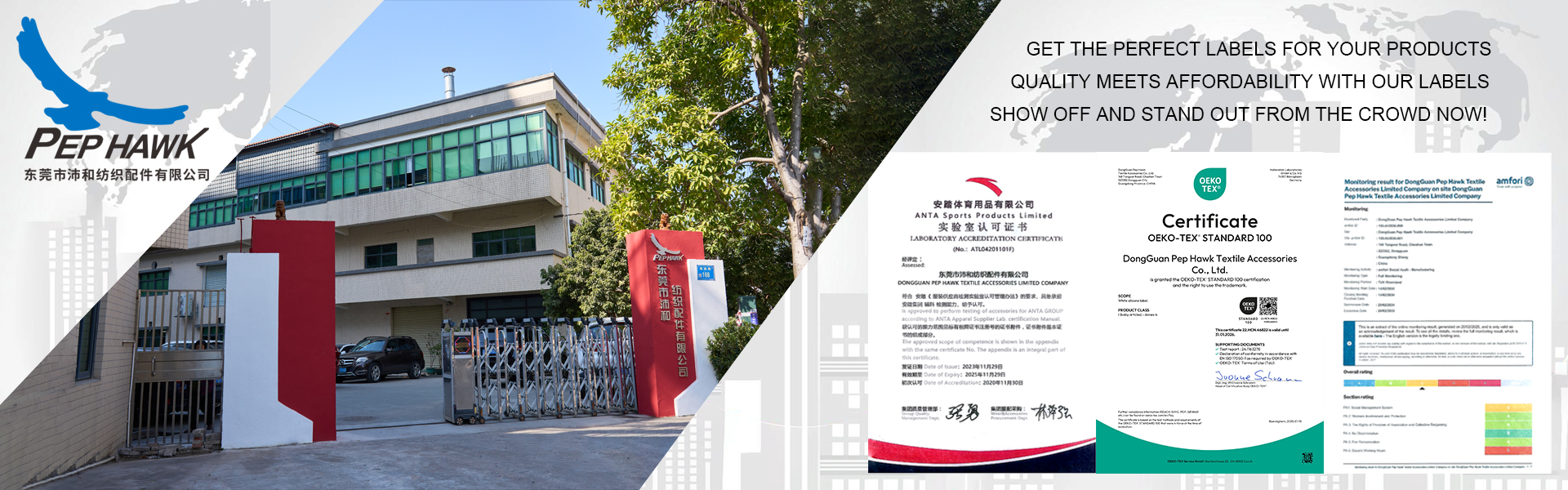
The Future of Fashion: Custom Iron On Patches for Repair and Expression
Vintage-Inspired Tiger Patches: Nostalgia Meets Durability



