

4 Cutting-Edge Solutions in Custom Printed Faux Leather for Sustainable Business Growth
Explore our custom printed faux leather collection, where quality meets creativity. Perfect for fashion, upholstery, and crafts—design your unique look today!
In today’s eco-conscious marketplace, brands are racing to balance aesthetics, functionality, and sustainability. Custom printed faux leather has emerged as a game-changer, offering cruelty-free alternatives without compromising on luxury or versatility. As consumer demand for sustainable materials surges, innovative solutions are redefining what’s possible in fashion, accessories, and interior design . Let’s explore four pioneering approaches that are setting new industry standards.
1. Cork Leather: The Renewable Renaissance
Forget traditional synthetics—cork leather is rewriting the sustainability playbook. Harvested from the bark of cork oak trees without harming the plant, this material combines natural texture with exceptional durability. What makes it revolutionary for custom printing? Its porous surface absorbs dyes and inks effortlessly, allowing for intricate patterns and vibrant color saturation that rival genuine leather . Brands like Corkor have leveraged this to create everything from printed wallets to statement wall panels, proving that eco-friendly can also mean high-fashion. Imagine a handbag line featuring geometric cork prints that tell the story of Mediterranean forests—this isn’t just product design; it’s storytelling through material innovation.
2. Mycelium Bio-Leather: Where Science Meets Style
Mushroom-based bio-leather isn’t sci-fi—it’s the future of sustainable textiles. By cultivating mycelium (mushroom roots) into leather-like sheets, companies like MycoWorks are producing fully biodegradable canvases for custom printing . The breakthrough? Unlike petroleum-based faux leathers, mycelium material develops a unique "grain" during growth, creating organic textures that enhance printed designs. A recent collaboration between Stella McCartney and Bolt Threads showcased transfer-printed mushroom leather jackets with botanical motifs, where the material’s natural imperfections added depth to the artwork . For brands targeting Gen Z consumers, this fusion of biology and design isn’t just ethical—it’s Instagram-worthy authenticity.
3. EPU Technology: Zero-Waste Precision Printing
Enter EPU (Eco Polyurethane) leather—the dark horse of sustainable manufacturing. Unlike conventional faux leather production, which relies on water-intensive processes and toxic solvents, EPU uses a closed-loop system with zero water, zero chemical waste, and zero PVC . The real magic happens during printing: its ultra-smooth surface allows for 1200-dpi resolution, making it ideal for photorealistic designs. Luxury brand Canva recently launched a limited edition of custom-printed EPU laptop sleeves featuring artist collaborations, where gradients and fine details remained crisp even after repeated bending. For corporate clients, this means branding that stays flawless while aligning with ESG goals—a win-win for aesthetics and accountability.
4. Mimaki’s Digital Printing Revolution: From Concept to Counter in Hours
When speed meets sustainability, magic happens. Mimaki Europe’s TX500P-1800 printer has disrupted the custom faux leather market by enabling on-demand production with 40% less energy consumption than traditional methods . The system’s water-based inks bond seamlessly with polyurethane substrates, eliminating the need for pre-treatment chemicals. Case in point: Zara reduced its sample development timeline from 3 weeks to 48 hours by printing seasonal patterns directly onto faux leather swatches, slashing material waste by 60% . For startups, this democratizes luxury—imagine uploading your logo to an online platform and receiving a professionally printed faux leather portfolio by next Tuesday.
Beyond the Surface: Creative Applications Driving ROI
These technologies aren’t just lab experiments—they’re driving real business value. Faux leather labels, for instance, have become a stealth branding weapon. SY Etiket’s custom Jacron labels (made from plant-based fibers) give apparel brands an eco-luxury touchpoint; Patagonia reported a 22% increase in customer retention after switching to these tactile, printed hangtags . Meanwhile, transfer-printed faux leather on upholstery fabrics is transforming hospitality spaces—Marriott’s Moxy Hotels now feature custom-printed headboards with local cityscapes, turning functional furniture into conversation starters .
The Bottom Line: Sustainability Sells
The numbers speak louder than ever. Brands adopting custom printed faux leather see 3x higher engagement on social media when highlighting their eco-credentials . More importantly, they’re future-proofing against regulatory shifts—like the EU’s upcoming ban on non-recyclable textiles. As one industry insider quipped, "Printing on faux leather isn’t just about what you can create—it’s about what you shouldn’t destroy in the process."
In this new era, the most successful brands won’t just use faux leather; they’ll leverage its narrative potential. Whether it’s cork’s earthy elegance, mycelium’s living texture, or EPU’s clinical precision, the canvas is ready. The question is: what story will your print tell? As sustainability transitions from buzzword to business imperative, one truth remains—innovation isn’t just in the design, but in the decision to choose better.
When confronted with the task of producing intricate design drafts of the highest quality, PEPHAWK is here to provide the perfect solution. With over 16 years of industry experience and our esteemed general manager boasting 31 years of expertise in the silicone industry, we are the ultimate choice for tackling your challenging logo design projects. Select PEPHAWK for our unmatched proficiency and rest assured in the impeccable outcomes we consistently deliver.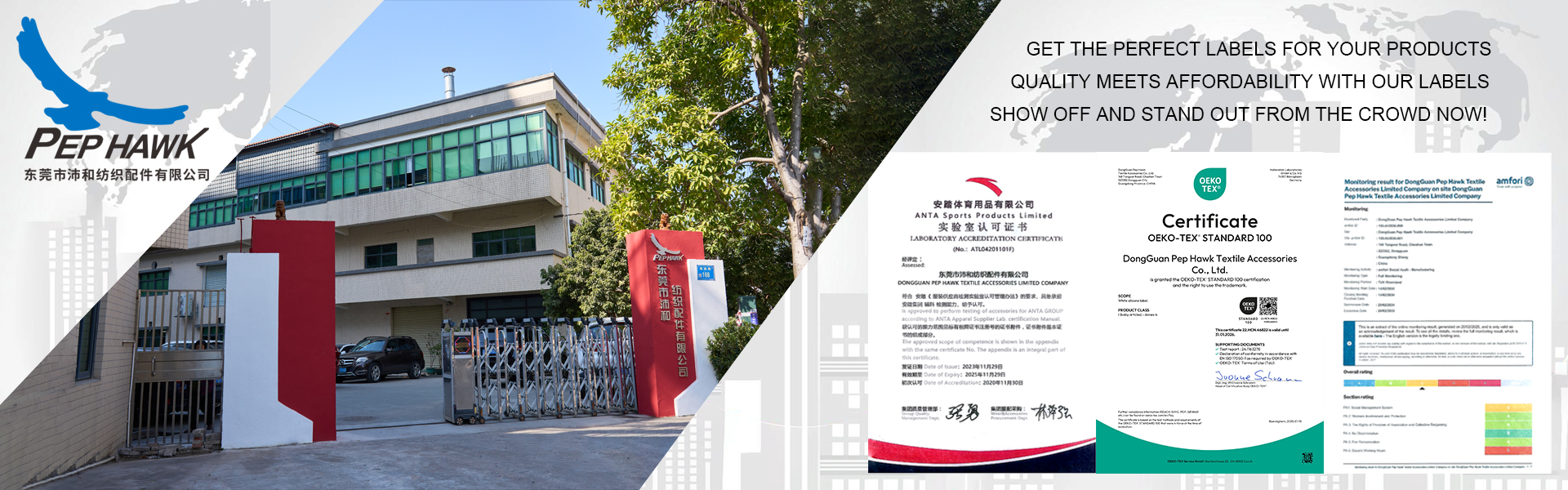
Elevating Brand Identity: 4 Cutting-Edge Custom Hat Label Solutions for Modern Businesses
How Innovative Velcro Patch Strategies Are Revolutionizing Brand Engagement



