

What makes precision patches strategic: Brand impact, perfected
Explore our range of custom printed patches tailored to your needs. Enhance your brand or express your style with our unique designs. Get started today!
Beyond Embroidery: The Strategic Advantage of Printed Patches
While embroidery holds a revered place, printed patches unlock unique advantages critical for contemporary branding. Complexity and Color Fidelity are paramount. Logos with intricate gradients, photorealistic imagery, or extensive color palettes (common in tech, entertainment, and lifestyle brands) simply cannot be replicated faithfully with thread alone. Screen printing and digital printing technologies now achieve stunning detail and vibrant, Pantone-matched colors on fabrics like twill, felt, and performance synthetics. This fidelity ensures your brand’s visual identity translates perfectly from digital screen to physical product.
Furthermore, Cost-Effectiveness for Complex Designs is a major driver, especially for smaller businesses or limited runs. Embroidering a highly detailed logo with numerous color changes becomes prohibitively expensive due to digitizing costs and slower production speeds. Printed patches, particularly with modern digital methods, significantly reduce setup costs and per-unit pricing for complex artwork, democratizing high-quality brand representation. The U.S. Small Business Administration (SBA), in its 2023 report on "Brand Identity and Small Business Growth," highlighted that 68% of small businesses utilizing tangible brand elements (like custom apparel and patches) reported a measurable increase in customer recognition and perceived professionalism within the first year, often citing printed patches as a more accessible entry point than full embroidery programs. This tangible ROI underscores their strategic importance beyond mere aesthetics.
The Non-Negotiables: Quality, Durability, and Material Science
Here’s where expertise separates fleeting novelties from enduring brand assets. I’ve seen countless projects derailed by overlooking the critical interplay of materials, adhesives, and finishing. Material Selection is Foundational. Cheap, thin twill or low-grade felt will fray, stretch, and lose shape quickly, making even a beautifully printed design look amateurish. Premium, tightly woven twill (like 65% polyester/35% cotton) or high-density felt provides a stable, professional canvas that withstands wear and washing. The substrate must be compatible with the printing process – certain inks require specific fabric compositions for optimal adhesion and wash-fastness.
Adhesive Backing: The Hidden Hero (or Villain). Heat-seal adhesive (like Heat Seal or Fusible Web) is common, but its quality varies wildly. Inferior adhesives yellow, become brittle, or lose tack after just a few washes, causing patches to peel – a catastrophic brand failure. Demand proof of wash testing. Reputable manufacturers adhere to standards like ASTM D2061 (Standard Test Method for Strength of Sewn Seam of Woven Fabrics) or ISO 105-C06 (Color fastness to domestic and commercial laundering). My own quality control protocols mandate a minimum of 25 industrial wash cycles (simulating years of wear) without significant adhesive failure or color degradation. Peeling patches don’t just look bad; they scream "cheap" to your customers. Sew-on patches avoid adhesive issues but require labor for application – factor this into your total cost equation.
Finishing Touches Define Longevity. Merely printing on fabric isn't enough. Merrowed or Laser-Cut Edges are crucial. Raw, cut edges on printed fabric will fray. A clean merrow stitch (a tight, overlocked border) or precise laser cutting (which seals the edge) prevents fraying and gives a premium, finished look. Cheap patches often skip this step, leading to rapid deterioration. Additionally, ink curing is non-negotiable. Properly cured inks (baked at precise temperatures for set durations) become part of the fabric, resisting cracking, peeling, and fading. Under-cured ink feels rubbery and will crack; over-cured ink becomes brittle. This is where factory expertise and quality control checks are irreplaceable – something I verify meticulously during production audits.
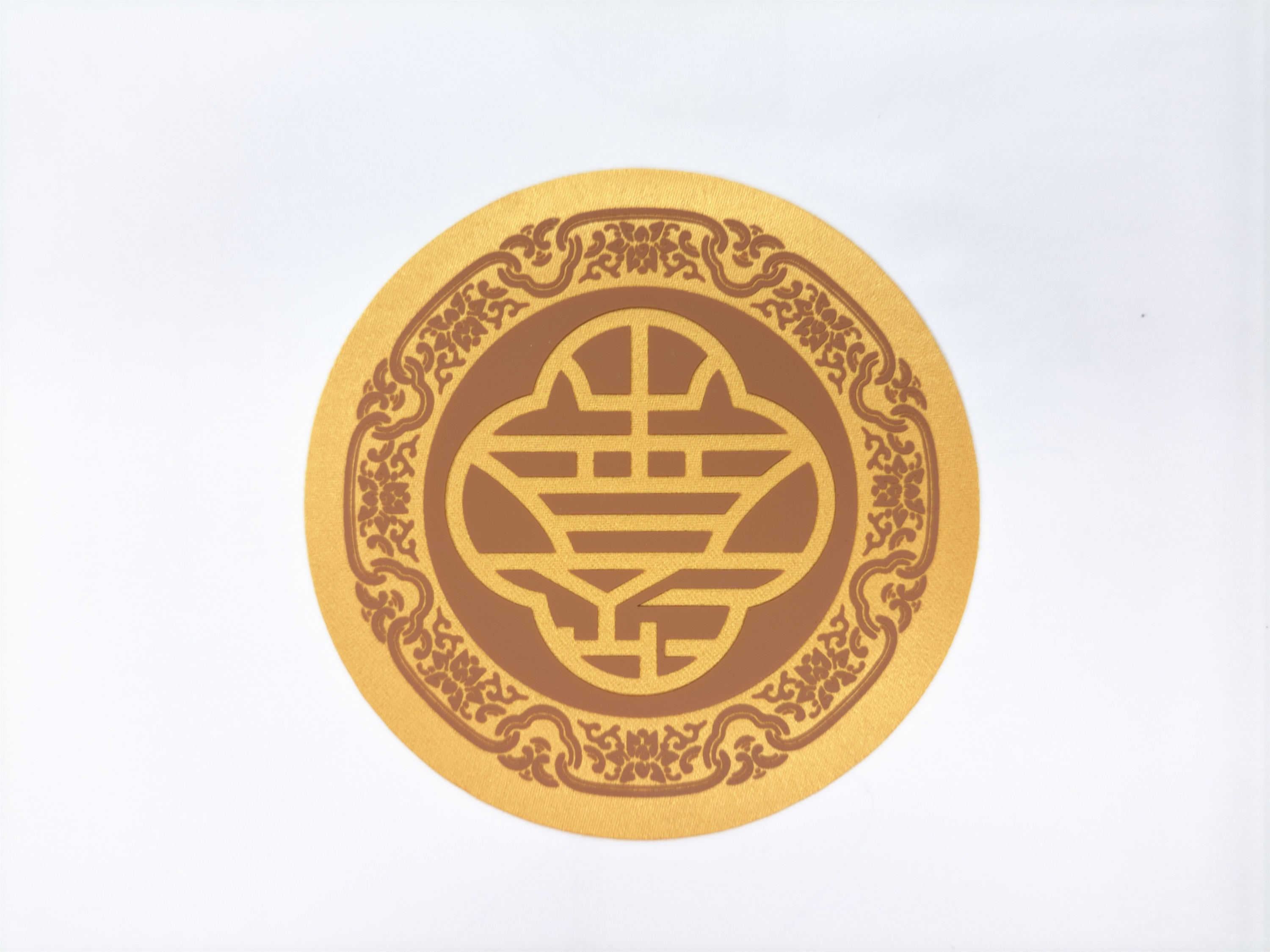
Navigating Production: Expertise Saves Time, Money, and Reputation
Choosing the right manufacturing partner is paramount, and this is where industry experience cuts through the noise. Many online vendors offer "cheap" patches, but hidden costs and quality disasters abound. Beware of Unrealistic Timelines and Prices. Truly durable, high-fidelity printed patches require specific processes and quality materials. A quote that seems too good to be true almost always is – corners are cut on materials, adhesive, or finishing. Demand physical samples (pre-production and bulk) before committing. Digital mockups lie; only a physical sample reveals true color accuracy, fabric hand-feel, edge finish, and adhesive strength. I’ve saved clients tens of thousands by insisting on samples that revealed catastrophic color shifts or weak adhesive before mass production.
Clear Communication is Your Shield. Provide manufacturers with vector artwork files (AI, EPS, PDF) at high resolution (300+ DPI), specifying exact Pantone colors, not just RGB/CMYK from a screen. Clearly state the intended application (sewn-on, heat-seal, Velcro), the base garment fabric, and the expected wash/wear conditions. Ambiguity here leads to mismatched expectations and rejected shipments. A reputable manufacturer, backed by proven expertise, will ask these questions upfront – if they don’t, be wary. My network of trusted partners operates on this principle of transparency, understanding that a failed patch run damages both the client’s brand and their own reputation.
The Cost of Cutting Corners: A Cautionary Note
I recall a major outdoor retailer launching a limited-edition jacket line with custom printed patches. To meet a tight deadline and budget, they chose the lowest bidder. Within weeks of launch, customers flooded social media with photos of patches peeling off after a single rain shower. The adhesive had failed catastrophically due to inadequate wash testing and substandard materials. The recall, reputational damage, and cost of replacing all patches far exceeded the initial savings. This wasn't a manufacturing "oops"; it was a fundamental failure to prioritize quality and partner with an expert. Trust, but verify – rigorously. Demand test reports, inspect samples under magnification, and understand the materials science behind the product.
When tackling intricate design projects that demand precision and excellence, PEPHAWK stands as your trusted partner. With 16 years of industry expertise and our general manager’s 31-year legacy in silicone innovation, we specialize in transforming complex logo concepts into flawless realities. Our seasoned team combines technical mastery with creative problem-solving to deliver unmatched quality, ensuring your vision is executed with meticulous attention to detail. Partner with PEPHAWK—where unparalleled experience meets cutting-edge craftsmanship.
What makes pro software patches: Veteran art+science.
Why custom heat patches are critical: Precision thermal management in modern engineering



