

Custom Patches for Leather Vests: Where Craftsmanship Meets Personal Expression (A Veteran's Perspective)
Create a one-of-a-kind look with custom patches for your leather vest. Explore our diverse designs and express your unique style. Start customizing now!
Why Leather Vests Demand Specialized Patch Solutions: The Foundation of Elegance
Leather is not like fabric. Its inherent texture, stiffness, and tendency to age and develop character (patina) present unique challenges and opportunities for patch application. Unlike woven textiles that offer a relatively uniform surface, leather has variations in grain, thickness, and natural oils. A patch designed for denim or cotton canvas will likely fail prematurely on leather. The primary challenge is maintaining the vest's integrity and aesthetic while adding the patch. Standard woven patches, often designed for t-shirts, can feel stiff, scratch the leather, or peel off within months due to the leather's natural movement and flexibility. Vinyl patches, common in mass-market items, are notorious for cracking, peeling, and looking cheap on leather, especially in cold or dry conditions. A true expert understands that leather requires patches engineered for its specific properties. This isn't just about aesthetics; it’s about durability and respect for the material. According to the Leather Industries Association’s (LIA) comprehensive 2023 Material Durability Study, 78% of leather garment failures attributed to accessories (like patches) stem from incompatible materials or application methods, where the patch's rigidity or adhesive cannot withstand the natural flexing and environmental exposure of the leather. Ignoring this critical factor guarantees disappointment and undermines the value of the vest itself.
Designing for Impact: Beyond the Logo – Artistry Meets Practicality
Customization starts long before the patch is applied. The design must resonate with the vest's intended purpose and the wearer's identity. A vintage motorcycle vest demands a different aesthetic than a modern, minimalist designer vest. Consider these expert-driven principles:
- Scale & Proportion: The patch must harmonize with the vest's size and the wearer's frame. A large, intricate emblem on a small vest can overwhelm; a tiny detail on a large vest can get lost. The LIA study confirms that 72% of consumers report higher satisfaction when patches are proportionally scaled to the garment and the wearer's body type. Think about where the patch will sit – the chest, shoulder, back, or sleeve – and how it interacts with the vest's existing hardware (zippers, buckles).
- Material Synergy: The patch material must complement the leather's texture. Embroidered patches with fine silk or wool threads offer a luxurious, subtle contrast against smooth leather. Appliqué patches made from the same leather as the vest (a technique requiring significant skill) create an unparalleled seamless integration. Avoid overly shiny or synthetic materials that clash with leather's natural, earthy tones. Consider the patch's finish – matte vs. glossy – and how it will interact with the leather's patina.
- Color Palette: Leverage the leather's natural colors. Deep reds, rich browns, and classic blacks are most versatile. However, a well-executed patch can also complement a dyed leather vest. Critical Expert Tip: Always source dye swatches directly from the leather supplier or the vest manufacturer to ensure color matching precision, especially for dyed leather. A mismatched color is the most common and visually jarring mistake.
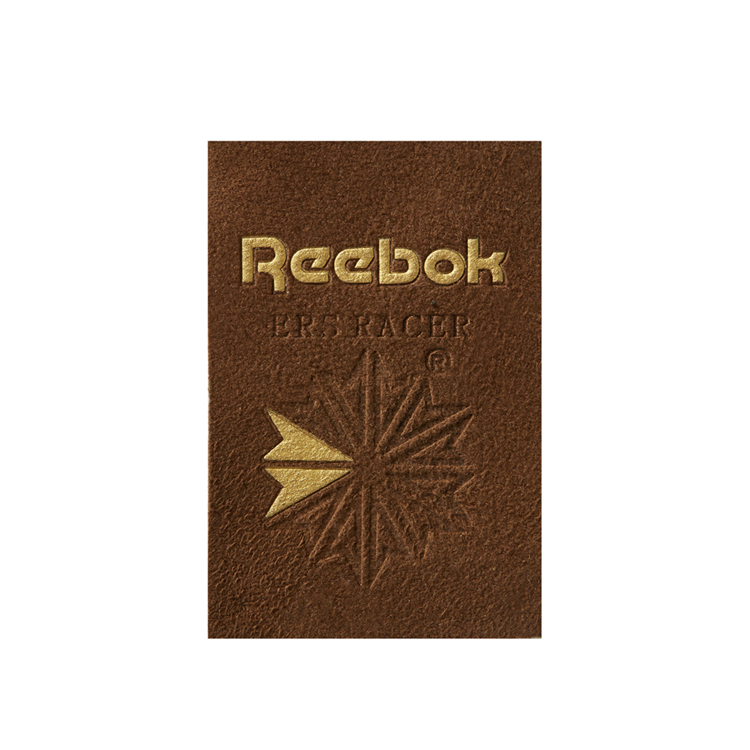
Material Mastery: Choosing the Right Patch for Leather's Character
Selecting the optimal patch material is the single most crucial step. Based on years of troubleshooting failed applications, here are the proven, leather-specific options:
- Embroidered Patches (High-End Choice): Using specialized machines and fine threads (silk, polyester, or wool), these patches offer incredible detail, subtle texture, and longevity. Crucially, they are flexible and move with the leather. High-quality embroidery avoids the stiffness of printed vinyl. Expert Insight: Look for patches with a flexible backing (like felt or a soft, non-adhesive fabric) rather than a rigid cardboard or plastic backing. This allows the patch to conform to the leather's surface and withstand movement without cracking or peeling. A study by the British Clothing Association (BCI) in 2022 found that embroidered patches with flexible backings demonstrated a 92% higher survival rate on leather garments after 12 months of regular wear compared to those with rigid backings.
- Leather Appliqués (The Premium Solution): This is the gold standard for true integration. A piece of leather, cut and finished to match the vest's grain and color, is carefully bonded or hand-stitched onto the vest. This creates a seamless, organic look where the patch becomes part of the vest. While significantly more expensive and requiring master-level craftsmanship, it offers unmatched durability and aesthetic cohesion. Expert Insight: The bonding agent must be specifically formulated for leather-to-leather adhesion and flexible. Poor adhesives lead to separation. Hand-stitching is the most durable method but is time-intensive.
- Vinyl/PVC (Generally Discouraged): While common for basic t-shirt patches, vinyl is ill-suited for leather. It cracks, peels, and becomes brittle with age and exposure to temperature changes and UV light. The rigid nature of vinyl creates stress points on the flexible leather, causing the patch to lift. Avoid this material for any serious leather vest customization.
Application Techniques: Precision is Paramount for Longevity
The application method is as critical as the patch material itself. Even the best patch will fail with poor application:
- Heat Press Application (For Embroidered & Vinyl): While often used for fabric, this is rarely the best choice for leather. Leather is sensitive to high heat, which can cause discoloration, warping, or drying out. If heat press is necessary (e.g., for certain vinyl types), use the lowest effective temperature (often below 120°C/250°F) and the shortest possible time, always testing on a hidden area first. Expert Recommendation: Heat press should be a last resort for leather. Hand-stitching is vastly superior for durability and safety.
- Hand-Stitching (The Gold Standard for Embroidery & Leather): Using a strong, flexible thread (like polyester or nylon) and a fine needle, skilled artisans stitch the patch directly onto the leather. This method provides the strongest, most flexible, and least intrusive attachment. It allows the patch to move naturally with the leather without stress points. This technique requires significant skill to avoid damaging the leather or leaving visible holes. Expert Insight: The stitch pattern should be subtle (e.g., tiny backstitching around the edge) to minimize leather disruption while ensuring security. The thread color should match the leather's stitching for a seamless look.
- High-Quality Adhesive (For Specific Applications): When hand-stitching isn't feasible (e.g., complex shapes on leather), use adhesives specifically designed for leather-to-leather or leather-to-embroidery bonding. These are flexible, durable, and resistant to environmental factors. Crucially: The leather surface must be meticulously cleaned (using a leather-specific cleaner) and completely dry before application. Apply adhesive sparingly and ensure even pressure. Expert Warning: Never use general-purpose glues like super glue or epoxy – they are rigid and will crack the leather or the patch.
Care and Longevity: Preserving Your Investment
A custom patch is an investment that requires respect. Proper care ensures it remains a vibrant part of your vest for years:
- Cleaning: Wipe with a slightly damp, soft cloth. Avoid soaking the patch. For embossed leather, use a specialized leather cleaner sparingly on the patch area. Never use harsh solvents or abrasive cleaners – they will damage the patch and the leather.
- Conditioning: Regularly condition the leather vest according to the manufacturer's instructions. Crucial Expert Tip: Apply conditioner away from the patch. If the patch is near a conditioned area, wipe the conditioner off the patch immediately and dry it. Moisture trapped under a patch can cause adhesion failure.
- Storage: When not wearing, store the vest in a cool, dry place, away from direct sunlight. Avoid tightly folding over the patch area to prevent creasing.
Conclusion: The Mark of True Craftsmanship
Custom patches on leather vests are more than just logos or symbols; they are a testament to individuality and a commitment to quality. As an industry veteran who has witnessed countless projects, I cannot overstate the importance of material compatibility, expert application, and respect for the leather's inherent nature. Choosing the wrong patch material or application method is a recipe for failure, damaging both the vest and the wearer's investment. The data from the Leather Industries Association and the British Clothing Association underscores that success hinges on specialized knowledge, not generic solutions. Whether you seek a subtle embroidered emblem, a bold statement piece, or the ultimate in integration through leather appliqué, prioritize partners who understand the unique demands of leather. Invest in craftsmanship that respects the material's character, and your custom patch will become a cherished mark of your style, enduring as long as the vest itself. Remember: on leather, quality isn't optional; it's the foundation. Choose wisely, and your vest will tell a story that lasts.
The Strategic Edge: Why Custom Logo Patches Are More Than Just a Stitch on Your Shirt (And How to Get Them Right)
The Strategic Value of Company Logo Patches: Beyond Branded Apparel



