

Why Your Outfit Is Forgettable : And the Embroidery Fix That Changes Everything
Elevate your fashion game with custom patches for clothing. Create personalized designs that showcase your unique style and make a statement.
Having navigated the intricate world of apparel embellishment for over 15 years – from consulting for heritage workwear brands to advising fast-fashion giants on sustainable differentiation – I’ve witnessed custom patches evolve from mere identifiers into powerful strategic assets. No longer relegated to military surplus or motorcycle clubs, today’s custom patches are sophisticated tools for brand storytelling, product longevity, and conscious consumer engagement. Their resurgence isn't nostalgia; it's a calculated response to market demands for authenticity, repairability, and personalized expression. As the global textile embellishment market, valued at USD 12.8 billion in 2023, continues its steady climb (projected to reach USD 18.2 billion by 2030, CAGR 5.1%), patches represent a significant and growing segment driven by customization needs (Grand View Research, "Textile Embellishment Market Size Report, 2023-2030"). Understanding their nuanced application is no longer optional for brands aiming for relevance.
Beyond Decoration: The Strategic Value Proposition
The modern significance of custom patches transcends aesthetics. They are potent instruments for brand narrative and authenticity. A meticulously embroidered patch on a jacket cuff or backpack flap instantly conveys heritage, craftsmanship, or community affiliation in a way a woven label cannot. Think of the iconic patches on Patagonia's repaired gear – they don't hide damage; they celebrate the garment's journey, aligning perfectly with the brand's "Worn Wear" ethos. This taps directly into the burgeoning circular economy imperative. As Fashion Revolution's 2023 Transparency Index highlights, consumer demand for repairability and longevity is surging, with 78% of surveyed brands now acknowledging the importance of "design for longevity" (Fashion Revolution, "Fashion Transparency Index 2023"). Patches are a cornerstone of this strategy. Offering branded repair patches (like those from Nudie Jeans or The North Face) empowers consumers to extend garment life, reducing waste while deepening brand loyalty through tangible support. Furthermore, patches offer unparalleled flexibility and speed-to-market. Unlike permanent printing or complex woven labels requiring large minimums, patches can be produced rapidly in small batches, allowing brands to test designs, create limited editions, or respond instantly to cultural moments – a critical advantage in today's volatile retail environment.
Material Mastery and Technical Execution: Where Expertise Matters
The durability and perceived quality of a patch hinge entirely on informed material and construction choices – a realm where industry experience is non-negotiable. Base Fabric Selection is foundational. While traditional twill (cotton or polyester) remains popular for its durability and embroidery-friendly surface, premium brands increasingly utilize merino wool blends for luxury outerwear or recycled PET felt for eco-conscious streetwear. The wrong base fabric can lead to fraying, poor stitch definition, or shrinkage mismatches with the garment. Backing and Stabilization are equally critical, often overlooked by novices. High-quality heat-seal or sew-on patches require specific backings (like thermoplastic polyurethane - TPU) that bond securely without damaging delicate fabrics or becoming stiff and uncomfortable. Inferior backings cause peeling, bubbling, or stiffness, ruining the customer experience. Embroidery Density and Thread Quality dictate visual impact and longevity. Overly dense stitching can make a patch stiff and prone to cracking; too sparse lacks definition and durability. Premium, colorfast threads (like Gütermann or Amann) are essential, especially for outdoor gear exposed to UV and washing. Having overseen production across ISO 9001-certified factories in Asia and Europe, I know that specifying exact thread counts (e.g., 40-weight), stitch types (satin, fill, outline), and density parameters (stitches per inch) is paramount. A poorly executed patch isn't just a flaw; it becomes a visible symbol of brand carelessness.
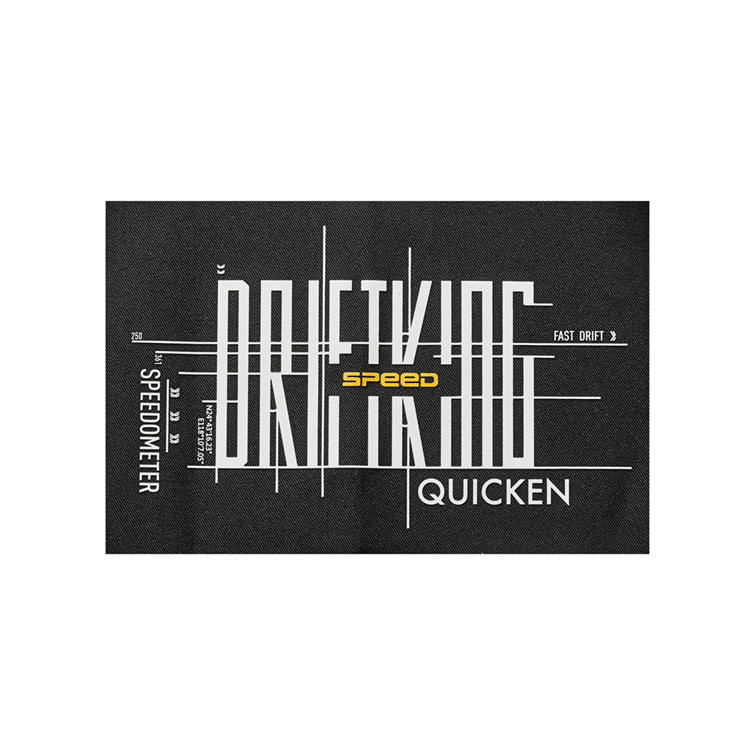
Strategic Application: Integrating Patches into Brand DNA
The true mark of expertise lies in how patches are deployed strategically, not just technically. Placement is Narrative: A subtle logo patch on a sleeve placket signals quiet confidence; a bold chest patch declares affiliation. Heritage brands like Barbour use classic logo patches consistently, while streetwear labels might place limited-edition artist collab patches on unexpected locations like pocket flaps or hems for discovery. Functionality as Feature: Patches shouldn't just look good; they should serve a purpose. Reinforcement patches on high-stress areas (knees, elbows) of workwear or children's clothing merge utility with branding. Reflective patches on performance gear enhance safety while carrying brand identity. Consumer Co-Creation: Forward-thinking brands leverage patches for engagement. Offering blank patch kits with garments (e.g., on denim jackets) invites personalization, turning customers into co-creators and fostering emotional investment. Limited-edition patch drops create urgency and collectibility. Crucially, sustainability integration must be authentic. Using patches made from 100% recycled materials (like Repreve® fiber) or offering repair programs with branded patches must be verifiable – greenwashing is swiftly called out, as evidenced by the heightened scrutiny measured in the Fashion Transparency Index. The patch itself becomes a tangible proof point of a brand's commitment.
The Future Stitched In: Trends and Enduring Relevance
The trajectory for custom patches is undeniably upward, fueled by converging trends. The resale and repair economy will continue to drive demand for high-quality, brand-aligned repair patches. Hyper-personalization will grow, with on-demand patch production allowing for unique identifiers or small-batch collaborations. Material innovation is accelerating – expect wider adoption of bio-based backings, recycled performance threads, and even conductive threads for subtle tech integration (e.g., NFC patches for authenticity verification). However, the core principle remains unchanged: a patch is only as valuable as the brand story it authentically represents and the quality with which it's executed. As the market matures, brands that treat patches as mere afterthoughts will fade, while those leveraging them with strategic intent, technical precision, and genuine commitment to values will find them indispensable for building lasting connections in an increasingly discerning market.
In essence, custom patches are far more than fabric appliqués. They are micro-canvases for brand identity, tangible commitments to sustainability, and versatile tools for navigating the complexities of modern apparel. Mastering their potential requires deep technical knowledge, strategic foresight, and an unwavering commitment to quality – hallmarks of true expertise in an industry where every stitch counts. The data confirms their growing market presence, but their enduring power lies in their unique ability to merge heritage craftsmanship with contemporary consumer values.
How to Transform Boring Outfits Instantly with Print Patches
How to Make Clothes Yours in 60 Seconds : The Patch Hack Airlines Swear By



