

How a definitive custom clothing patch guide covers quality, application, trends
Create standout clothing with our custom patches. Perfect for personal expression, our high-quality designs will make your garments truly one-of-a-kind.
In the evolving landscape of fashion and functional apparel, custom patches have emerged as a powerful tool for brand identity, personalization, and durability. As an industry expert with over 15 years of experience in textile labeling and garment embellishment, I’ve worked with leading apparel brands, military contractors, and lifestyle designers to develop high-performance, aesthetically refined custom patches. These embroidered or woven insignias are more than decorative elements—they serve as markers of authenticity, professionalism, and craftsmanship. This comprehensive overview explores the types, manufacturing processes, applications, and industry standards that define today’s custom patch market.
The Rise of Custom Patches in Modern Apparel
Custom patches have transitioned from utilitarian military and workwear identifiers to mainstream fashion accessories. According to Grand View Research (2023), the global embroidered patch market was valued at USD 1.8 billion in 2022 and is projected to grow at a compound annual growth rate (CAGR) of 5.6% through 2030. This growth is driven by increasing demand from the fashion, sports, and corporate sectors for personalized branding solutions. Patches offer a cost-effective and durable method for companies to reinforce brand recognition without altering entire garment production lines.
From streetwear brands like Supreme and Carhartt to corporate uniforms and first responder gear, patches provide a modular way to update logos, commemorate events, or denote rank and affiliation. Their versatility makes them ideal for limited-edition collections, employee recognition programs, and promotional campaigns.
Types of Custom Patches and Their Applications
There are several types of custom patches, each suited to specific materials, aesthetics, and performance requirements:
1. Embroidered Patches
These are the most common type, created by stitching thread onto a fabric backing (usually twill or felt). Embroidered patches offer rich texture, vibrant colors, and excellent durability. They are ideal for outerwear, jackets, and uniforms. High-density stitching allows for intricate designs and fine detail, making them popular among law enforcement, fire departments, and collegiate apparel.
2. Woven Patches
Woven patches are produced on looms using fine threads, allowing for highly detailed and smooth designs. They are typically thinner and more flexible than embroidered versions, making them suitable for delicate fabrics or areas requiring a low-profile finish. Woven patches are often used in aviation, military insignia, and high-end fashion where precision is paramount.
3. PVC and Silicone Patches
These non-textile options are molded from rubber or plastic materials. They are water-resistant, fade-proof, and highly durable—ideal for outdoor gear, tactical equipment, and children’s clothing. While less traditional, PVC patches offer bold colors and 3D effects that appeal to youth-oriented brands.
4. Heat-Transfer and Iron-On Patches
Designed for ease of application, these patches use a heat-activated adhesive backing. They are popular in DIY fashion and retail customization. However, their longevity depends on proper application and fabric compatibility. Industry standards, such as those from the American Association of Textile Chemists and Colorists (AATCC), recommend testing adhesion strength to ensure wash durability (AATCC Test Method 139, 2020).
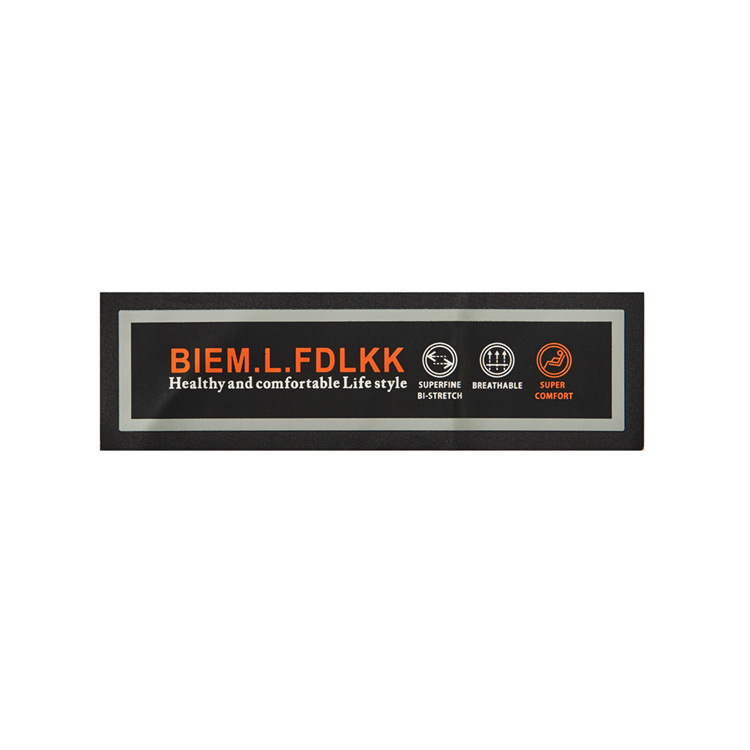
Manufacturing Process and Quality Assurance
Creating a high-quality custom patch involves multiple stages: design digitization, material selection, embroidery or weaving, trimming, backing application, and quality control. Digitization—the conversion of artwork into stitch patterns—is a critical step that determines the final appearance and stitch efficiency. Advanced software like Wilcom or Pulse enables precise control over thread density, color transitions, and edge definition.
Material selection also plays a vital role. For instance, merrowed borders (a tightly overlocked edge) enhance durability and prevent fraying, while heat-seal backings ensure clean application without residue. At reputable manufacturers, every batch undergoes rigorous testing for colorfastness, shrinkage, and peel strength. Compliance with ISO 9001 quality management standards ensures consistency across large production runs.
One often-overlooked factor is thread count and backing weight. Patches applied to heavy-duty garments like police outerwear require reinforced backings (e.g., heat-activated polyurethane) to withstand repeated laundering and abrasion. In contrast, lightweight patches for T-shirts may use a thin, flexible adhesive to maintain comfort.
Application Methods and Best Practices
The method of attachment significantly impacts a patch’s lifespan and appearance. The three primary application techniques are:
- Sew-On Patches: Most durable and traditional, sewn by hand or machine. Ideal for jackets, hats, and uniforms. They offer maximum adhesion and are preferred in professional and military settings.
- Iron-On Patches: Convenient for consumers and small businesses. Require a household iron or heat press. Best results are achieved on cotton or polyester blends at 300°F for 15–20 seconds with firm pressure.
- Velcro®-Backed Patches: Allow for interchangeable designs. Widely used in military, tactical, and emergency services where rapid insignia changes are necessary.
Regardless of method, proper surface preparation—cleaning the fabric and ensuring it’s dry and wrinkle-free—is essential. Post-application care, such as avoiding high-heat drying, also extends patch life.
Industry Trends and Future Outlook
Sustainability is reshaping the custom patch industry. Leading manufacturers are adopting eco-friendly practices, including recycled thread (such as Repreve®), water-based adhesives, and biodegradable backings. Brands are also favoring minimalist designs with fewer colors to reduce thread waste and energy consumption during production.
Digital customization platforms are another growing trend. Companies like PatchPro and MyNameTag now offer online design tools that allow customers to create and order patches in real time, integrating seamlessly with e-commerce systems. This shift supports on-demand manufacturing, reducing inventory waste and enabling hyper-personalization.
Moreover, smart patches—embedded with RFID or NFC technology—are being piloted in corporate and healthcare apparel for tracking and authentication purposes. While still in early adoption, these innovations signal a convergence of fashion and functionality.
How a comprehensive small clothing patch guide covers application, trends, standards
How does one craft identity through the creation of durable, professional-quality clothing patches — an expert’s guide



