

How to Choose Best One for Custom Patch Design
2025-01-14
Transform your ideas into stunning custom patches. Our design team is dedicated to delivering exceptional quality and unique styles for all your needs.
Custom patches offer a unique and personalized way to enhance various items, from clothing and accessories to bags and home decor. They can serve as a powerful branding tool, a creative expression of identity, or a functional element for identification and organization. Choosing the best custom patch design involves considering several factors, from the purpose of the patch to the materials and production methods used. This article will guide you through the process of selecting the perfect custom patch design, providing practical tips and insights to help you make an informed decision.
Understanding the Purpose of Custom Patches
Before diving into the design process, it's crucial to understand the purpose of the custom patch. This will influence the design, materials, and production methods you choose. Common purposes for custom patches include:
-
Branding: To represent a company, team, or organization, enhancing brand recognition and loyalty.
-
Personalization: To add a personal touch to items, reflecting individual interests, achievements, or affiliations.
-
Identification: To serve a functional purpose, such as identifying members of a group, indicating rank or role, or providing essential information.
-
Decoration: To enhance the aesthetic appeal of an item, adding a pop of color, texture, or design interest.
Key Factors to Consider When Choosing a Custom Patch Design
1. Design Elements
The design of your custom patch should effectively communicate its purpose and align with your brand or personal style. Consider the following when creating your design:
-
Simplicity vs. Complexity: While intricate designs can be visually stunning, simpler designs are often more versatile and easier to recognize. Choose a level of complexity that suits your purpose and ensures the patch remains legible and effective.
-
Color Scheme: Colors play a significant role in the impact and perception of your patch. Select a color scheme that resonates with your brand or personal taste and consider the context in which the patch will be used. Bright colors can make the patch stand out, while more subdued tones may provide a sophisticated or understated look.
-
Typography: If your patch includes text, choose a font that is easy to read and complements the overall design. The font style can convey different messages, such as a modern sans-serif font for a clean and contemporary look or a traditional serif font for a classic and elegant feel.
-
Graphics and Icons: Incorporate relevant graphics, icons, or symbols that represent your brand, interests, or the patch's purpose. These visual elements can quickly communicate complex ideas and add a unique touch to your design.
2. Patch Shape and Size
The shape and size of your custom patch should be appropriate for its intended use and the item it will be attached to. Consider the following:
-
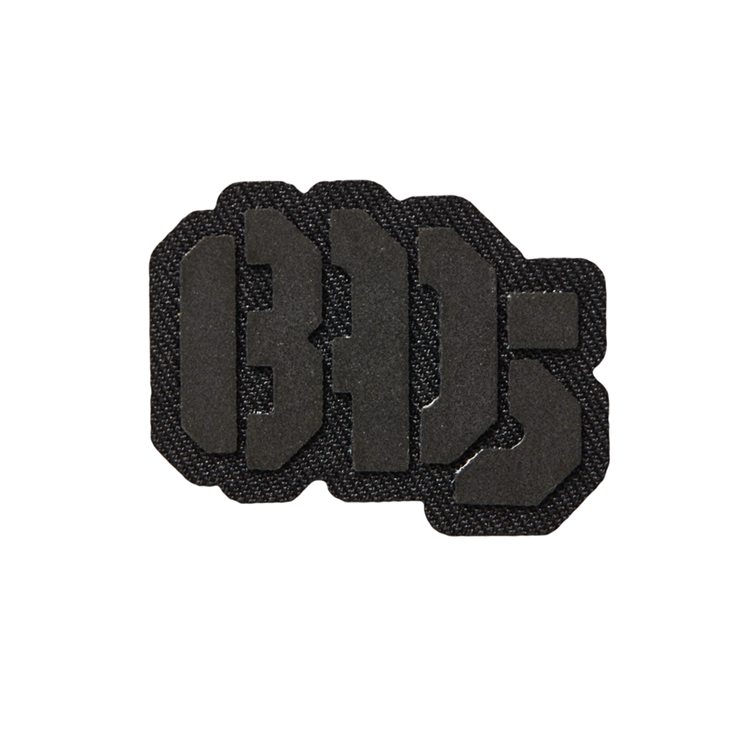
Standard Shapes: Common patch shapes include circles, squares, rectangles, and ovals. These shapes are versatile and can be easily incorporated into various designs. Choose a standard shape if you want a classic and familiar look.
-
Custom Shapes: For a more unique and personalized touch, consider custom-shaped patches. These can be designed to match the outline of a logo, symbol, or object, creating a seamless and integrated appearance. Custom shapes can make your patch stand out and add a creative element to your design.
-
Patch Size: The size of the patch should be proportional to the item it will be attached to and the amount of detail in the design. A larger patch can make a bold statement and is suitable for items like jackets or bags, while a smaller patch may be more appropriate for accessories or clothing with limited space. Ensure that the patch size allows for all design elements to be clearly visible and legible.
3. Materials and Construction
The materials used for your custom patch can affect its durability, appearance, and cost. Consider the following options:
-
Embroidered Patches: Embroidered patches are created by stitching threads onto a fabric backing. They offer a high level of detail and can be produced in a wide range of colors. Embroidered patches are durable and have a classic, timeless look, making them suitable for a variety of applications. They are often used for branding, team uniforms, and high-quality apparel.
-
Heat Transfer Vinyl (HTV) Patches: HTV patches are made by cutting the design from colored vinyl and then applying it to the fabric using a heat press. This method allows for vibrant colors and intricate designs, and is ideal for creating patches with multiple colors and layers. HTV patches are cost-effective and can be produced quickly, making them a popular choice for promotional items, personalized clothing, and craft projects.
-
Felt Patches: Felt patches have a soft, tactile feel and are often used for more casual or whimsical designs. They can be embroidered or appliquéd onto the fabric, adding a handmade touch to the item. Felt patches are popular for children's clothing, accessories, and home decor projects.
-
Leather Patches: Leather patches offer a rugged and sophisticated look, making them ideal for jackets, bags, and other leather goods. They can be embossed, engraved, or printed with the design, and provide a durable and long-lasting option for custom patches. Leather patches are often used for luxury brands, motorcycle clubs, and high-end fashion accessories.
4. Adhesive and Attachment Method
The adhesive or attachment method used for your custom patch should ensure that it stays securely in place and does not damage the item it is attached to. Consider the following options:
-
Sew-On Patches: Sew-on patches are attached by sewing them onto the fabric using a needle and thread. This method provides a strong and durable attachment, making it suitable for items that will be subjected to frequent use or washing. Sew-on patches are often used for uniforms, team jackets, and high-quality apparel.
-
Iron-On Patches: Iron-on patches are designed to be attached using a household iron. They have a heat-activated adhesive on the back that bonds to the fabric when heat and pressure are applied. Iron-on patches are quick and easy to apply, making them a popular choice for DIY projects, personalized clothing, and craft fairs. However, the adhesive may not be as durable as sewing, and the patches may require additional care when washing.
-
Velcro Patches: Velcro patches have a hook and loop fastening system that allows them to be easily attached and removed from the fabric. This method is ideal for items that require frequent patch changes, such as tactical gear, backpacks, and reusable bags. Velcro patches provide a secure attachment and can withstand moderate use, but they may not be as discreet as other attachment methods.
-
Pin-Back Patches: Pin-back patches have a metal pin on the back that can be attached to clothing, accessories, or bags using a safety pin. This method is simple and versatile, making it suitable for a wide range of applications. Pin-back patches are often used for promotional items, collectibles, and fashion accessories. However, they may not be as secure as other attachment methods and may require additional care to prevent them from falling off.
5. Quality and Durability
When choosing a custom patch, it's essential to consider the quality and durability of the product. High-quality patches will not only look better but also last longer, providing better value for your investment. Look for patches made from durable materials, with precise stitching or cutting, and a strong adhesive or attachment method. Ensure that the colors used are vibrant and resistant to fading, and that the design remains clear and legible even after repeated use and washing.
6. Cost and Budget
Custom patches can vary significantly in price depending on the design complexity, materials used, and production methods. Determine your budget before starting the design process and consider the cost implications of different options. While it's tempting to choose the cheapest option, remember that quality and durability are important factors in the long run. Look for a balance between cost and quality that meets your needs and provides the best value for your investment.
Practical Tips for Choosing the Best Custom Patch Design
1. Define Your Goals and Requirements
Before starting the design process, clearly define the goals and requirements of your custom patch. Consider the purpose of the patch, the intended audience, and how it will be used. This will help you make informed decisions about the design, materials, and production methods, ensuring that the final patch meets your expectations and effectively serves its intended purpose.
2. Research and Inspiration
Conduct research and gather inspiration from various sources to help you create a unique and effective custom patch design. Look at existing patches from different brands and industries, browse design websites and social media platforms, and explore different materials and production techniques. This can provide valuable insights and ideas for your own design, helping you create a patch that stands out and resonates with your target audience.
3. Work with a Professional Designer or Manufacturer
If you're not confident in your design skills or don't have the necessary equipment for production, consider working with a professional designer or manufacturer. They can provide expert advice, guidance, and support throughout the design and production process, ensuring that your custom patch meets the highest standards of quality and design. A professional designer can help you create a unique and effective design that aligns with your goals and requirements, while a reputable manufacturer can ensure that the patch is produced using high-quality materials and techniques, providing a durable and long-lasting product.
4. Request Samples and Mockups
Before committing to a large order, request samples and mockups of your custom patch design. This will allow you to see how the patch looks and feels in real life, ensuring that it meets your expectations and effectively communicates your message. Samples
Custom Transparent Labels: A Modern Branding Solution
Benefits of Using Cap Tags in Your Workflow




SEND MESSAGE