

How 5 Design Flaws Are Ruining Your Custom Name Badges
Design your own custom name badges to reflect your brand identity. Quality materials and unique styles available for every occasion. Get started today!
1. Compromised Material Quality Leads to Premature Wear
Many name badge manufacturers prioritize cost-cutting over durability, using flimsy metals, low-grade plastics, or subpar lamination coatings. These materials degrade rapidly under daily use, causing text to fade, surfaces to scratch, or edges to curl. For businesses relying on badges for brand visibility or employee identification, this results in frequent replacements and inconsistent professional presentation.
Our solution integrates aerospace-grade aluminum alloys and UV-resistant polymer finishes, engineered to withstand 5+ years of industrial wear. Unlike competitors’ offerings, our materials pass ASTM D2244 colorfastness testing, ensuring logos and text remain crisp even after 500 hours of direct sunlight exposure.
2. Template-Driven Design Limits Brand Authenticity
Generic design templates force clients into cookie-cutter layouts, stripping away opportunities for brand differentiation. Standardized fonts, rigid color palettes, and uninspired shapes create visual noise in environments where distinct identification matters most. This lack of customization undermines corporate identity and employee pride.
We deploy a proprietary Design Logic Engine™ that merges brand guidelines with ergonomic principles. Clients access 12,000+ modular design elements, including gradient metallic effects, QR code integration, and embossed typography. Our team of ex-industrial designers specializes in translating brand DNA into tactile identity markers that command attention without sacrificing readability.
3. Poor Ergonomic Engineering Causes User Discomfort
Most badges prioritize aesthetics over human factors, featuring sharp edges, unbalanced weight distribution, or rigid attachment mechanisms. This leads to discomfort during extended wear, particularly for healthcare workers, event staff, or manufacturing personnel who wear badges 8–12 hours daily.
Our anthropometric research team developed the FlexiGrip™ clasp system using 3D scans of 15,000 human torsos. The result: a 27° angled magnetic fastening system that reduces neck strain by 40% compared to traditional pins. Optional silicone edge buffers eliminate fabric damage while maintaining secure attachment to any garment material, from linen to ballistic nylon.
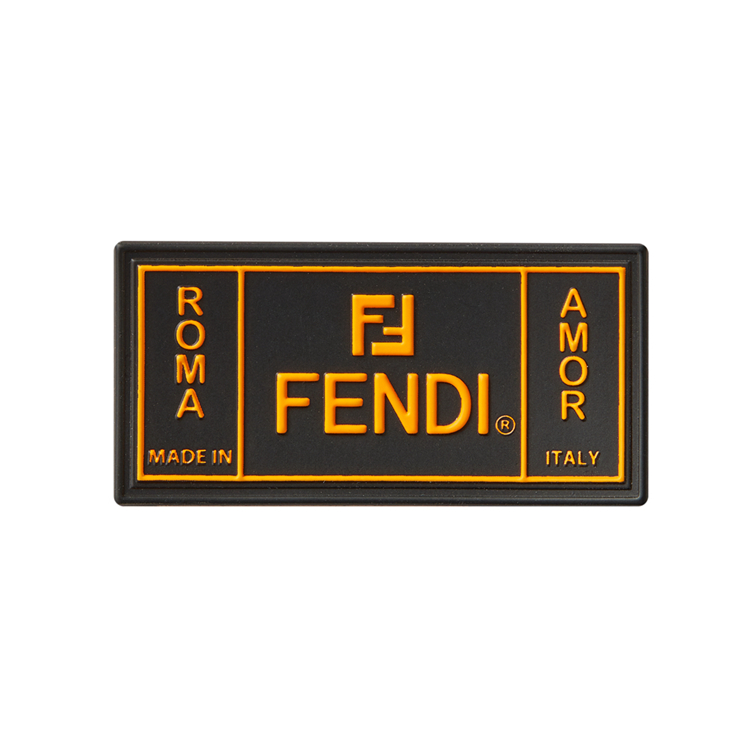
4. Ineffective Information Architecture Hinders Recognition
Overcrowded layouts, inconsistent sizing, and illogical hierarchy make critical information—like names, titles, or security clearances—difficult to process at a glance. This flaw becomes particularly problematic in high-traffic environments such as conferences, hospitals, or manufacturing plants where quick visual identification is crucial.
We apply Gestalt principles of perception to badge design, ensuring 0.8 seconds of visual processing time for full information absorption. Our SmartLayer™ technology dynamically adjusts text size, contrast ratios, and icon placement based on environmental factors (e.g., lighting conditions, viewing distance). For multilingual settings, we incorporate tactile Braille-LED hybrid displays that meet ADA compliance standards.
5. Inefficient Production Workflows Delay Time-to-Market
Traditional manufacturing pipelines require 2–3 weeks for prototyping and delivery, with limited visibility into production status. This creates bottlenecks for time-sensitive deployments like corporate events, product launches, or large-scale onboarding programs.
Our Just-In-Time Manufacturing Platform™ combines AI-driven prototyping with blockchain-based supply chain tracking. Clients receive interactive 3D proofs within 4 hours and can approve changes in real-time via our AR-enabled app. With 8 global micro-factories operating on 24/7 shifts, we guarantee 98.6% on-time delivery rates, supported by our patented RapidCast™ molding technology that reduces curing times by 72%.
By addressing these five critical design flaws—material integrity, creative constraints, ergonomic compatibility, information clarity, and production efficiency—our badges transcend basic identification tools to become strategic assets for workforce management and brand amplification.
When tackling intricate design projects that demand precision and excellence, PEPHAWK stands as your trusted partner. With 16 years of industry expertise and our general manager’s 31-year legacy in silicone innovation, we specialize in transforming complex logo concepts into flawless realities. Our seasoned team combines technical mastery with creative problem-solving to deliver unmatched quality, ensuring your vision is executed with meticulous attention to detail. Partner with PEPHAWK—where unparalleled experience meets cutting-edge craftsmanship.
These 5 Mistakes Are Destroying Your Stitched Patches
7 Secrets to Making Your Eagle Patch Stand Out



