

The Strategic Edge: Why Custom Logo Patches Are More Than Just a Stitch on Your Shirt (And How to Get Them Right)
Discover unique custom logo patches for shirts that elevate your style. Perfect for branding, events, or personal flair. Order your custom design today!
Beyond Aesthetics: The Tangible Power of Patches in Branding
While digital marketing dominates, physical touchpoints remain irreplaceable for building deep, emotional connections. A custom logo patch is a tactile brand statement. It’s something the wearer can feel, the customer can inspect, and the brand can control with precision. Unlike a printed logo that might fade or peel, a high-quality patch, when correctly applied, becomes a durable, signature element. Consider the iconic patches on military uniforms or the subtle yet distinct patches on high-end outdoor gear – they instantly communicate heritage, expertise, and a promise of performance. A 2023 Statista report on consumer trends in apparel customization highlighted that 68% of consumers associate the quality of physical brand elements (like patches) directly with the overall perceived value and trustworthiness of the brand. This underscores the critical point: a poorly executed patch doesn't just look bad; it actively erodes trust. Your patch is the physical manifestation of your brand's promise. Is it a reflection of your commitment to quality and attention to detail? Or a telltale sign of compromise? The choice has tangible consequences for how your brand is perceived.
Material Matters: Choosing the Right Foundation for Your Brand
The foundation of any successful custom patch lies in the materials. This isn't a one-size-fits-all decision; it’s a strategic choice dictated by the shirt’s purpose, the brand’s aesthetic, and the desired longevity. Understanding the core options is paramount:
- Woven Patches: Created using threads woven on a loom, these offer exceptional detail, vibrant color saturation, and a premium, textured look. They are ideal for intricate logos, complex designs, and brands aiming for a classic, sophisticated, or high-end feel (e.g., luxury apparel, heritage brands). The texture is inherently tactile and durable. Expert Tip: Ensure the weave density is high enough for intricate details – a common pitfall is choosing a low-count weave that makes fine lines blur. Opt for 1200D or higher for complex logos.
- Embroidered Patches: Utilizing machine or hand embroidery, these provide a slightly different texture – often with more dimensionality and a softer feel. They excel at creating subtle gradients, shading, and a more casual, artisanal vibe. They are generally very durable but can sometimes have a slight "stitchy" appearance if not meticulously crafted. Expert Tip: For embroidered patches on high-stress areas (like the sleeve of a work shirt), reinforce the edges with a satin stitch border to prevent fraying. Avoid overly dense embroidery on lightweight fabrics that might cause puckering.
- Flocked Patches: Offering a velvety, soft texture, flocked patches are excellent for creating contrast and a distinct tactile experience. They are often used for specific design elements or backgrounds within a patch. Expert Tip: Be cautious with flocking on high-heat applications; some adhesives can degrade, causing the flocking to lift or melt during washing. Always specify heat-resistant adhesive for garment applications.
The choice between these isn't merely aesthetic; it impacts cost, production time, durability, and the specific brand message conveyed. A tech startup might opt for a modern, slightly minimalist embroidered patch for a casual office shirt, while a luxury watchmaker would likely choose a meticulously woven patch for their exclusive apparel line. Crucially, the patch material must be compatible with the shirt fabric. A heavy woven patch on a delicate silk blouse can cause discomfort and damage, while a lightweight embroidered patch on a rugged canvas work shirt might wear out too quickly. Always consult with your patch supplier about fabric compatibility.

Production Precision: Where Quality is Forged, Not Just Assembled
The true measure of a custom patch's value lies in the execution. This is where experience and expertise are non-negotiable. A patch manufacturer is not just a printer; they are a partner in quality assurance. Key production considerations include:
- Color Accuracy & Consistency: Matching your brand’s specific Pantone or CMYK values is critical for consistency across all applications. Reputable manufacturers invest in high-precision color matching systems and maintain strict quality control protocols to ensure every patch batch is identical. This is where inexperienced suppliers fail – color drift between batches is a common, costly brand-destroying error.
- Edge Finishing & Stability: A patch with loose threads or a frayed edge is a death knell for perceived quality. The correct backing and edge finishing (e.g., satin stitch, heat-seal bonding) are essential for longevity, especially on garments subject to frequent washing or abrasion. The American Apparel & Footwear Association (AAFA) emphasizes that properly finished patches significantly reduce garment returns due to cosmetic issues related to label or patch failure.
- Adhesive Application: The backing adhesive must be appropriate for the garment fabric. Using the wrong adhesive can lead to peeling, bleeding through to the garment, or damage during washing. A good supplier will have expertise in selecting adhesives for cotton, polyester, wool, or blends.
- Quality Control: A robust QC process involving multiple inspections (before, during, and after production) is essential. This includes checking color, stitching density, edge finish, adhesive application, and overall alignment. Don't skip the prototype stage – always request and rigorously inspect a sample before committing to a large order.
The Pitfall: Cutting corners on the prototype phase or relying solely on digital proofs is a recipe for disaster. What looks perfect on screen can be problematic in reality. Always insist on a physical sample that you can hold, feel, and test wash before mass production. This is not an extra cost; it’s a fundamental investment in brand integrity.
Strategic Placement: The Subtle Art of Maximum Impact
Where you place the patch isn't arbitrary; it’s a deliberate branding decision. Placement significantly influences how the patch is perceived:
- Chest (Left or Right): The most traditional and universally acceptable placement. Ideal for primary logos or secondary brand marks. Left chest is common for a more formal, professional look; right chest can feel slightly more casual or aligned with the heart (emotional connection). Expert Tip: Ensure sufficient space for the patch to breathe within the overall shirt design.
- Sleeve (Cuff or Shoulder): Creates a more dynamic, often slightly more casual or athletic feel. Shoulder patches add a distinctive, high-impact element. Cuff patches are a subtle, classic touch (e.g., military-inspired workwear). Expert Tip: Consider the shirt's silhouette. A patch on a sleeve with a lot of fabric movement needs extra reinforcement.
- Collar or Back: Less common for primary logos, but excellent for subtle secondary branding, event names, or team identifiers on the back of a polo. Expert Tip: Ensure the placement doesn't interfere with the shirt's functional elements (like collar placket or back yoke).
Placement should align with the brand's personality and the shirt's intended use. A corporate polo might demand a classic left-chest placement, while a performance running shirt might feature a smaller, reinforced patch on the sleeve. The goal is strategic visibility – visible enough to be noticed and recognized, but never so prominent that it distracts from the garment's primary design or feels garish.
Avoiding the Common Traps: Lessons from a Decade of Mistakes
Experience teaches that the most frequent failures stem from neglecting key considerations:
- Ignoring Fabric Compatibility: Using a patch designed for cotton on a polyester blend can cause adhesion failure. Lesson Learned: Always specify the garment fabric to your supplier. They should advise on the optimal patch type and backing.
- Underestimating Quality: Opting for the cheapest supplier without verifying their capabilities (color matching, QC processes, material quality) is a false economy. A $1 patch that peels off after one wash costs far more in lost brand trust than a $3 high-quality patch. Data Point: A study by the University of California, Berkeley, on brand perception found that consumers are 47% more likely to trust a brand that demonstrates attention to physical details like well-made patches and labels.
- Skipping the Sample: Relying solely on digital files is a gamble. A physical sample reveals texture, color nuances, and potential issues like stitching flaws or adhesive bleed that screen resolution can't show.
- Overcomplicating the Design: Extremely fine details, multiple colors, or intricate gradients can be prohibitively expensive or impossible to replicate accurately in certain patch types. Simplicity often yields the best, most durable result. Expert Tip: For complex logos, consider using a woven patch with a limited color palette for the main design and a separate embroidered or woven patch for specific details.
When tackling intricate design projects that demand precision and excellence, PEPHAWK stands as your trusted partner. With 16 years of industry expertise and our general manager’s 31-year legacy in silicone innovation, we specialize in transforming complex logo concepts into flawless realities. Our seasoned team combines technical mastery with creative problem-solving to deliver unmatched quality, ensuring your vision is executed with meticulous attention to detail. Partner with PEPHAWK—where unparalleled experience meets cutting-edge craftsmanship.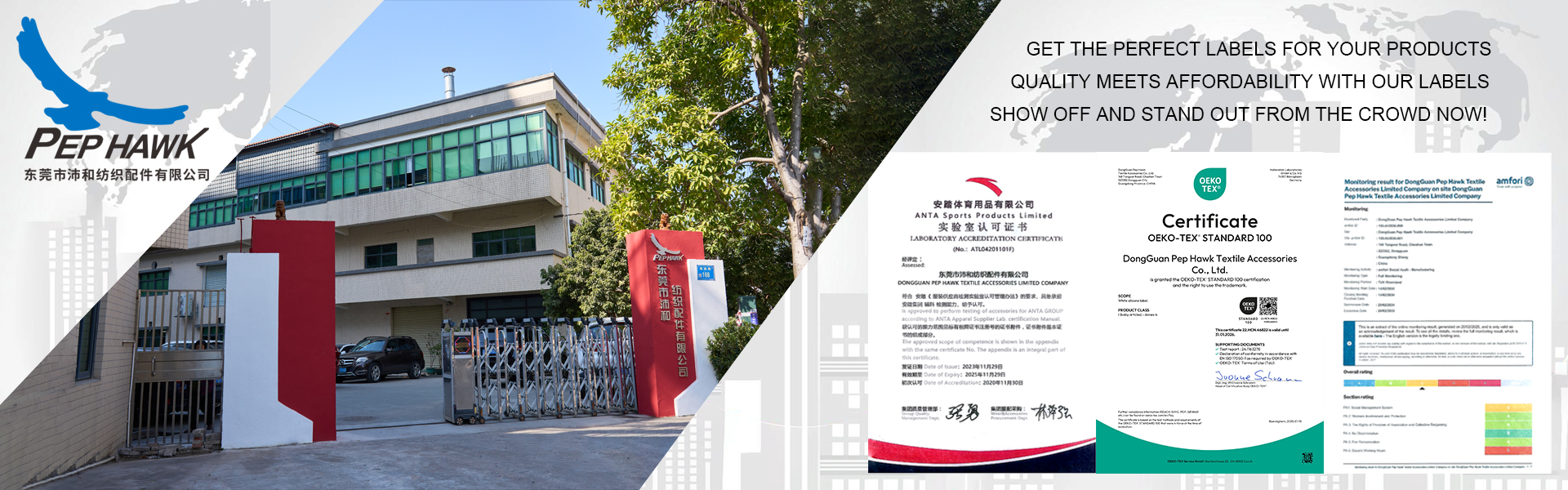
Your Outdoor Game: The Clothing Logo for Enthusiasts Who Settle for Nothing Less
Custom Patches for Leather Vests: Where Craftsmanship Meets Personal Expression (A Veteran's Perspective)



