

Why Custom Logo Patches Are Essential Branding Tools for Modern Apparel
Discover unique custom logo patches for your clothing. Elevate your style and brand identity with high-quality, personalized designs tailored to your needs.
In the fiercely competitive landscape of modern apparel, where visual identity is paramount, custom logo patches have transcended their humble origins as mere repairs or decorative elements. They are now sophisticated, strategic tools for brand differentiation, storytelling, and building lasting customer connections. As a professional specializing in branded apparel solutions for over 15 years, I've witnessed firsthand how meticulously crafted custom patches transform ordinary garments into powerful, mobile advertisements that resonate with consumers. This isn't just about stitching a logo onto fabric; it's about understanding the intricate interplay of design, material, construction, and consumer psychology to create an element that enhances the product and reinforces brand value. Understanding the true potential and nuanced execution required for effective custom logo patches is critical for any business seeking to elevate its apparel offerings and cultivate genuine brand loyalty.
Why Custom Logo Patches Matter: Beyond Simple Branding
The strategic value of custom logo patches extends far beyond the immediate visual impact. They serve as tangible, durable touchpoints that communicate quality, heritage, and exclusivity. Unlike printed logos that can fade or wear, a well-made patch becomes an integral part of the garment's identity, often enduring through numerous washes and years of wear. This durability signals to the consumer that the brand invests in quality and longevity, fostering trust and perceived value. Crucially, patches offer a unique tactile and visual dimension. The raised texture of embroidery, the sheen of satin, or the dimensionality of appliqué creates a sensory experience that printed graphics cannot replicate, making the brand interaction more memorable. Research underscores this impact: the National Retail Federation's 2023 US Apparel Industry Report highlights that consumers increasingly value "tactile and durable branding elements" as key differentiators, with 68% stating such features significantly influence their purchase decisions for apparel, particularly in the premium and lifestyle segments. A custom patch isn't just decoration; it's a physical manifestation of brand promise, worn on the body, actively promoting recognition and affinity.
Key Considerations for Effective Patch Design and Placement
The success of a custom logo patch hinges on deliberate planning and execution. Design integrity is paramount. The logo must be adapted specifically for the patch format – simplified where necessary for embroidery clarity, ensuring sufficient negative space to avoid visual clutter, and considering color limitations inherent to the chosen technique (e.g., embroidery's color count vs. digital printing). Placement is strategic, not arbitrary. Common placements include the sleeve cuff (a classic for a polished look), the chest (for immediate brand visibility), the back yoke (for subtle sophistication), or the back of the collar (a premium touch). The chosen location should align with the garment's intended use and target audience. A sportswear brand might favor the sleeve for functionality, while a luxury fashion label might opt for the back yoke for understated elegance. Size must be proportionate to the garment and the logo. A logo that is too large can overwhelm the design, while one that is too small becomes insignificant. Industry best practice, as reflected in the Statista report on Custom Apparel Trends (2023), recommends patch sizes typically ranging from 1.5 inches to 3.5 inches for most applications, ensuring visibility without dominating the garment's silhouette. Understanding the garment's scale and the desired brand impact is essential.
Material & Construction Choices: The Foundation of Quality
The material and construction method of a custom logo patch are non-negotiable factors determining its longevity, appearance, and feel. Fabric choice is critical. Common backing materials include fusible fleece (for stability and easy application), woven fabric (for a more textured, traditional look), and knit (for flexibility, ideal for t-shirts and knitted garments). The choice must match the garment fabric to ensure comfort, durability, and proper application. Embossing vs. Embroidery vs. Appliqué: Each technique offers distinct advantages. Embroidery remains the gold standard for its durability, texture, and professional finish, especially for intricate logos and text. Digital printing offers vibrant colors and photo-realistic imagery but may lack the tactile quality and long-term durability of embroidery. Appliqué provides dimensional depth and can incorporate multiple textures, though it's often more complex and costly. Quality of stitching is paramount – loose threads, uneven tension, or inconsistent color application immediately signal poor craftsmanship and undermine brand perception. Working with a reputable manufacturer who understands the nuances of each technique and material combination is essential for achieving a premium result that withstands the test of time and wear.
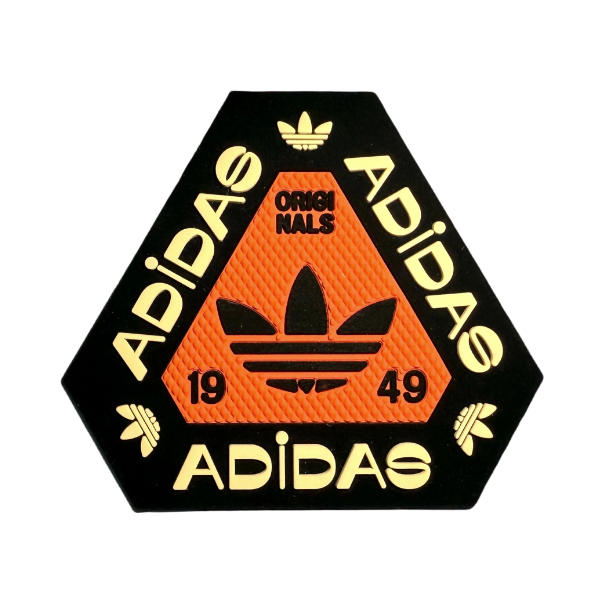
The Customization Process: From Concept to Final Product
A successful custom patch project demands a collaborative, detail-oriented process. Initial consultation is the foundation – understanding the brand's identity, target audience, specific garment application, desired message, and budget. This is where the designer can guide the client towards feasible and impactful solutions. Mockups and Prototyping are indispensable. Never rely solely on digital proofs. Requesting physical samples of the patch on the actual garment fabric allows for evaluating color accuracy, texture, stitching quality, and how the patch integrates with the design under real-world conditions. Material testing for adhesion, washability (following industry standards like AATCC Test Method 61), and abrasion resistance is crucial to avoid costly failures later. Clear communication throughout production ensures alignment on specifications, color codes (using Pantone references), and quality expectations. A transparent manufacturer will provide regular updates and be open to revisions based on the approved mockup. Rushing this process or skipping prototyping often leads to unsatisfactory results that damage brand perception, highlighting the importance of patience and attention to detail.
Future Trends: Innovation Meets Enduring Value
The custom logo patch industry is evolving, driven by consumer demand for personalization and sustainability. Hyper-Personalization is emerging, where patches can incorporate unique customer identifiers or limited-edition designs, moving beyond a single brand logo. Sustainable Materials are increasingly non-negotiable; manufacturers are offering patches made from recycled polyester, organic cotton, or biodegradable backing materials. Consumers, as noted in the Statista report (2023), now rank "sustainable materials" as a top consideration for 55% of respondents when evaluating branded apparel, making this a significant driver for patch innovation. Smart Integration, while nascent, is a fascinating frontier – exploring patches with embedded NFC chips or QR codes for enhanced brand engagement, though this requires careful balance to maintain the patch's primary aesthetic and functional purpose. Regardless of these innovations, the core principles of quality craftsmanship, strategic placement, and authentic brand representation will remain the bedrock of effective custom logo patches for the foreseeable future.
Geometric Patch Design: A Canvas of Shapes, Colors, and Meanings
Adidas Red Logo: Small But Fun!



