

Exploring the World of Custom Logo Engraving
2024-12-18
Experience exceptional custom logo engraving tailored to your needs. Stand out with personalized designs that reflect your brand's essence and values.
Custom logo engraving has become increasingly popular as a way for businesses to promote their brand image. It involves using specialized techniques to etch or imprint a company’s logo onto a wide range of materials, resulting in a highly visible and durable effect. This article will explore the major chapters of custom logo engraving, including the importance of choosing the right material, designing an effective logo for engraving, choosing the best engraving techniques, the benefits and applications of custom engraving, and the final recommendations for those seeking to use this cutting-edge branding method.
Choosing the Right Material
Choosing the right material is a critical first step in the custom logo engraving process. Considerations may include the material’s texture, color, and durability. Common materials include metals such as brass, stainless steel, and aluminum, as well as plastics and even wood. Each material has unique properties that affect the quality of the engraving, and choosing the right one will ensure a lasting and visually appealing result.
Designing the Logo
Designing a logo that is both visually striking and can be easily engraved is crucial to ensuring an effective custom logo engraving. With the right design, you can create a lasting impression on your audience. However, there are some important factors to consider when designing a logo that will be engraved onto a material.
The size of the logo needs to be considered. A simple design is usually best for engraving. Smaller logos and detailed designs may be harder to create on some materials, so a simple and clean design is preferable. It is also important to keep in mind the color of the material chosen as its color could clash with colored logos. Therefore, the use of solid color logos is a common practice in this field.
When designing, one also needs to consider the impact of the medium. Depending on the medium being engraved, your design may appear differently than on other surfaces. Choosing a metal such as brass might be a little challenging because the logo and text can easily blend in with the metallic color of the brass. Choosing materials with contrasting colors such as white and black or contrasting metals such as silver and gold can help make a design stand out.
The intricacy and the shape of the logo are also critical factors. Any design that is too complex could result in burrs and may require an experienced artisan to execute the engraving successfully. Additionally, the shape of the material being engraved is also critical, and the design should be adjusted accordingly. For example, a cylindrical shape will have a vastly different appearance than a flat surface.
Overall, designing a logo for custom engraving is an essential aspect of the overall process. Keeping in mind various design aspects, including simplicity, color, material texture, and engraving medium, will help ensure that the logo is both visually appealing and effectively engraved.
Engraving Techniques
There are several engraving techniques, each with its own benefits and drawbacks. The most common techniques used for custom engraving are diamond tip, laser engraving and deep etching. Each of these techniques is suitable for engraving on specific materials. The choice of the engraving technique depends on the type of material chosen, its properties, the level of detail required, and the desired outcome.
Diamond tip engraving is a permanent marking of the material that is done by a stylus cutting into it. This is best used on harder materials like metals as it provides a deeper, long-lasting and more prominent look. While it can be used for shading and varying line widths, it may not be suitable for highly intricate designs.
Laser engraving, also known as marking, is a technique that uses lasers to engrave designs onto a wide variety of surfaces, including plastic, glass, and even wood. This technique is precise and can capture intricate details, including logos and text. Laser engraving is particularly useful on a variety of surfaces as it allows users to engrave on an array of materials. It can even be used to create three-dimensional images and is mostly done without direct contact with the material.
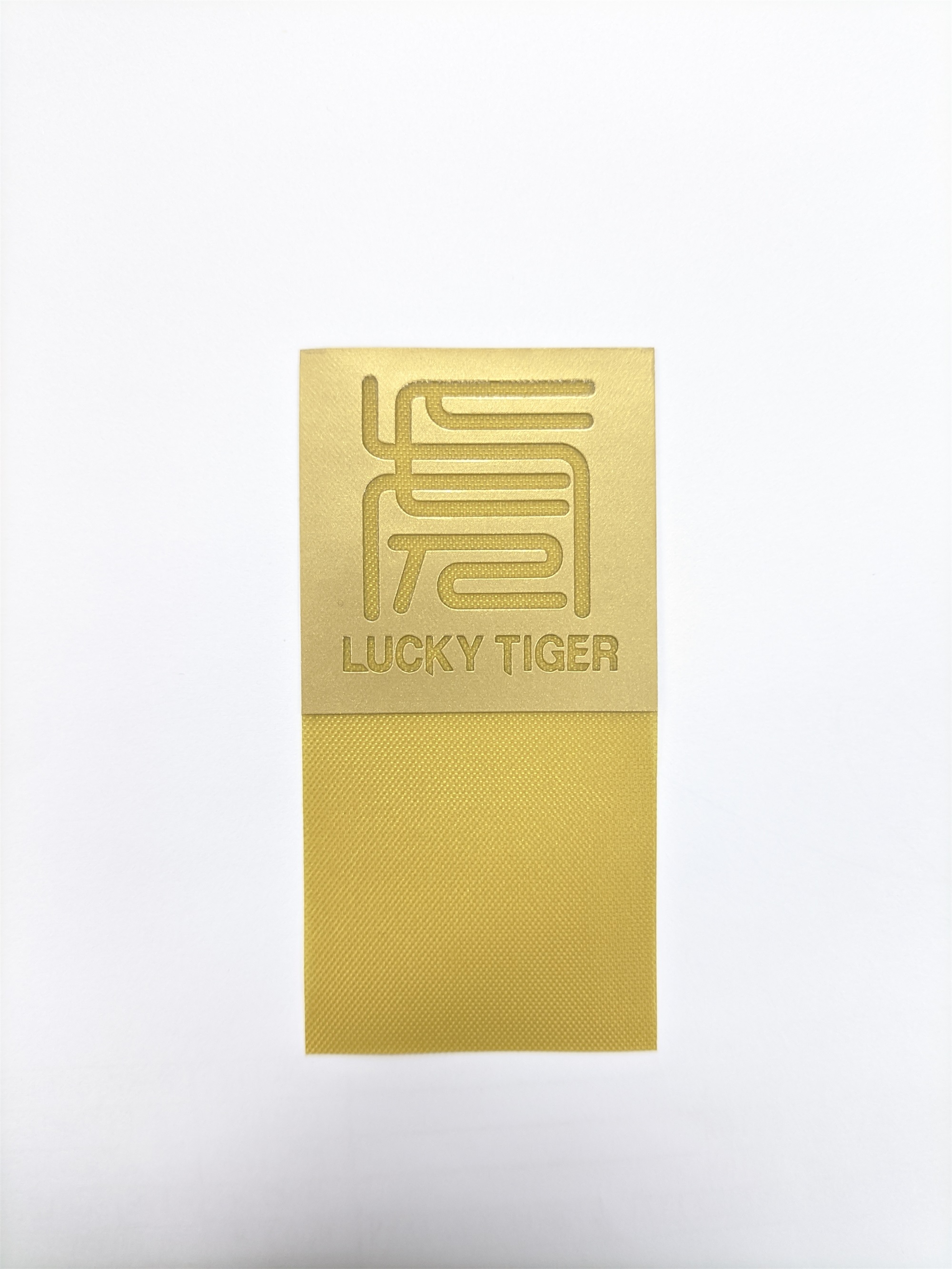
Deep etching involves the chemical reaction between acid and the surface of material to create a deep impression. This technique is suitable for materials like glass, crystal and metals which can acquire a frosted look or stone-like appearance. The results produced can be subtle and more accurate, allowing for finer details.
Applications and Benefits
Custom logo engraving has numerous applications in business promotion, including the manufacture of promotional items such as pens, keychains, and plaques. It is also a way to produce personalized gifts for employees and customers, promoting brand recognition and fostering loyalty. The benefits of using custom engraving include increased brand recognition and awareness, as well as a unique and high-quality branding method that distinguishes a company from its competitors.
Conclusion
In conclusion, custom logo engraving is a highly effective way to promote a business in a distinctive and visually appealing manner. Choosing the right material and engraving technique, designing a well-thought-out logo, and understanding the benefits of custom engraving will help ensure a successful outcome. By incorporating this cutting-edge branding technique into their marketing strategies, businesses can enjoy increased brand recognition and loyalty among their customers and employees.
Looking for a comprehensive custom branding solution for your business? Look no further than Pephawk! Our integrated service combines design, development, and production to deliver the best results.
How do I choose the right colors for my hat logo design
Unique Designs for Printed Tags with Strings




SEND MESSAGE