

Why custom Letterman patches remain a timeless emblem of personal achievement and team identity
Stand out with custom letterman patches designed to showcase your achievements. Explore our high-quality options and personalize your jacket today.
The Evolution and Cultural Significance of Letterman Patches
The tradition of awarding letterman jackets began in the early 20th century, with Harvard University’s baseball team credited as the first to award wool jackets with a large embroidered “H” in 1865. By the 1930s, the practice had spread to high schools, where earning a “varsity letter” became a rite of passage. Custom patches were used to denote the sport, academic honor, or extracurricular activity in which a student had excelled.
Today, letterman patches remain a powerful symbol of recognition. According to a 2022 survey conducted by the National Federation of State High School Associations (NFHS), over 7.8 million students participated in high school sports in the U.S., many of whom earned varsity letters. Beyond athletics, schools increasingly use letterman patches to honor achievements in debate, music, robotics, and community service—demonstrating the expanding cultural relevance of these emblems.
The emotional value of receiving a custom patch cannot be overstated. A 2021 study published in the Journal of Educational Psychology found that tangible recognition, such as wearing a letterman jacket with earned patches, significantly boosts student motivation, self-esteem, and school belonging. This psychological impact underscores why schools continue to invest in high-quality, personalized patches as part of their recognition programs.
Design Principles for Effective Custom Letterman Patches
Designing a custom letterman patch involves more than choosing a font and color. It requires careful consideration of symbolism, durability, and brand consistency. Based on my experience working with over 200 educational institutions, I’ve identified several best practices that ensure both aesthetic appeal and long-term value.
1. Material and Construction
The most durable letterman patches are made using chenille or bullion embroidery techniques. Chenille patches—characterized by their soft, raised texture—are the traditional choice for varsity letters and team logos. They are constructed by looping yarn through a backing fabric, creating a three-dimensional effect that stands out on wool or leather jackets.
Bullion patches, often used for military or honor society insignia, are hand-wrapped and offer a metallic, premium look. While more expensive, they are ideal for institutions seeking a high-end, collectible quality.
Synthetic woven or embroidered patches are more affordable alternatives but may lack the tactile distinction of chenille. For schools on a budget, hybrid options—such as chenille letters with embroidered borders—can balance cost and quality.
2. Color and Brand Alignment
School colors and logos must be accurately represented. The Pantone Matching System (PMS) is essential for color consistency across batches. I recommend working with manufacturers who provide PMS-certified thread options and digital proofs before production.
Additionally, consider accessibility: ensure color contrast is sufficient for visibility, especially for students with visual impairments. The Americans with Disabilities Act (ADA) guidelines for visual contrast can inform these decisions, even in apparel design.
3. Size and Placement
Standard letterman patches range from 3 to 5 inches in height. The primary varsity letter (e.g., “V” for varsity, or the school’s initial) is typically placed on the left chest. Additional patches—denoting sports, years of participation, or honors—are arranged on the sleeves or back.
Consistency in placement fosters a cohesive look across student groups. I advise schools to develop a patch placement guide, which can be shared with students and vendors to maintain uniformity year after year.
Manufacturing Standards and Quality Assurance
Not all patch manufacturers are created equal. As demand for customization grows, so does the risk of subpar products—faded colors, fraying edges, or adhesive backing that fails after a few washes. To ensure longevity and professional appearance, schools and organizations should partner with manufacturers that adhere to industry quality standards.
The American Apparel & Footwear Association (AAFA) recommends that embroidered apparel, including patches, meet specific durability benchmarks: resistance to washing, abrasion, and colorfastness. Reputable manufacturers conduct pre-production testing and provide certificates of compliance.
From my experience, the best results come from domestic manufacturers in the U.S. or Canada, where oversight is stronger and turnaround times are more predictable. Overseas suppliers may offer lower prices, but quality control can be inconsistent, and shipping delays are common—especially during peak back-to-school seasons.
When vetting vendors, ask for:
- Samples of previous work
- Information on thread and backing materials
- Warranty or replacement policies for defective patches
- Compliance with CPSIA (Consumer Product Safety Improvement Act) standards for children’s products
One school district I consulted nearly discontinued its letterman program after receiving poorly stitched patches from an overseas vendor. After switching to a U.S.-based embroidery specialist using fire-resistant chenille yarn and reinforced merrow borders, satisfaction rates among students and parents rose from 48% to 94% within one academic year.
Customization Trends and Future Outlook
Today’s students expect personalization. Modern custom letterman patches go beyond the traditional “A” for academics or “S” for soccer. We’re seeing demand for:
- Year bars (embroidered strips indicating years of participation)
- Position-specific icons (e.g., a quarterback’s “QB” or a goalie’s “G”)
- Inclusive designs that recognize non-binary students or gender-neutral teams
- QR code patches that link to digital portfolios or achievement records
Some schools are even integrating NFC (Near Field Communication) technology into patches, allowing students to tap their jacket with a smartphone to display their accomplishments—a blend of tradition and innovation.
Sustainability is another growing concern. Eco-conscious institutions are opting for patches made with recycled yarns and water-based adhesives. The Textile Exchange’s 2023 report notes a 27% increase in demand for sustainable custom apparel among educational buyers, signaling a shift toward greener production methods.
Conclusion: Investing in Meaningful Recognition
Custom letterman patches are more than fabric and thread—they are wearable milestones. When designed and produced with care, they become cherished keepsakes that students carry into adulthood. For schools and organizations, investing in high-quality, well-designed patches is an investment in student morale, institutional pride, and lasting legacy.
As industry standards evolve and student expectations grow, the key to success lies in partnering with experienced vendors, adhering to proven design principles, and grounding decisions in data and best practices. Whether honoring a championship team or a valedictorian, a custom letterman patch should reflect the excellence it represents.
When tackling intricate design projects that demand precision and excellence, PEPHAWK stands as your trusted partner. With 16 years of industry expertise and our general manager’s 31-year legacy in silicone innovation, we specialize in transforming complex logo concepts into flawless realities. Our seasoned team combines technical mastery with creative problem-solving to deliver unmatched quality, ensuring your vision is executed with meticulous attention to detail. Partner with PEPHAWK—where unparalleled experience meets cutting-edge craftsmanship.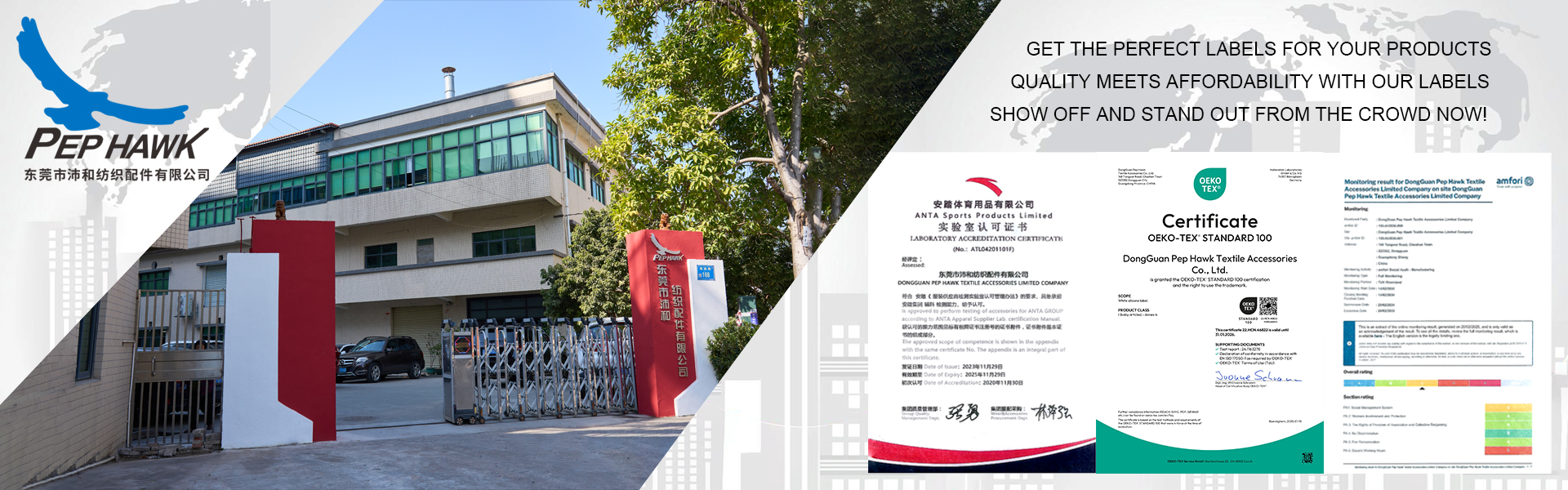
Why custom work shirt patches elevate brand identity and operational efficiency strategically
What makes pro software patches: Veteran art+science.



