

Transforming Your Style with Custom Leather Patches
Get custom leather patches that reflect your unique style. Perfect for businesses, events, or personal use. Quality and customization at your fingertips!
Custom leather patches have long been celebrated for their sophistication, durability, and versatility. However, while they undoubtedly hold a special place in fashion and branding, it’s important to recognize that they are not the ultimate solution for every need. This article will challenge the notion that custom leather patches are universally superior and explore alternative materials and methods that may better suit modern demands.
The Myth of Timelessness: Are Leather Patches Always Elegant?
Leather patches are often marketed as timeless and elegant, but this claim doesn’t always hold up under scrutiny. While genuine leather does exude luxury, its appeal is subjective and context-dependent. For instance, younger generations who prioritize sustainability and ethical consumption might view leather as outdated or even problematic due to environmental concerns associated with animal farming.
Moreover, leather’s "timeless" aesthetic can sometimes feel too traditional for brands aiming for a cutting-edge or futuristic image. In such cases, synthetic alternatives like PVC, silicone, or recycled fabrics offer sleeker designs that align more closely with contemporary trends. These materials allow for bold colors, intricate details, and textures that leather simply cannot replicate.
Durability vs. Practicality: Is Leather Always the Best Choice?
One of the most touted advantages of leather patches is their durability. But how practical is this durability in real-world scenarios? Genuine leather requires careful maintenance to prevent cracking, fading, or warping over time. It’s also prone to water damage unless treated properly—a significant drawback for outdoor gear or sports apparel where exposure to the elements is inevitable.
On the other hand, modern synthetic materials like polyester blends or neoprene are engineered to withstand harsh conditions without requiring extra care. They resist moisture, UV rays, and abrasion far better than leather, making them ideal for tactical gear, activewear, or any application where resilience is key. Additionally, these alternatives are lighter and more flexible, ensuring comfort without compromising performance.
Environmental Concerns: The Hidden Cost of Leather
While leather patches are praised for their premium quality, their environmental impact cannot be ignored. The production of real leather involves significant resource consumption, including water usage and chemical treatments that contribute to pollution. Furthermore, the livestock industry—one of the primary sources of leather—is a major contributor to greenhouse gas emissions.
In contrast, eco-friendly options like faux leather made from plant-based materials (e.g., pineapple fibers or mushroom leather) provide sustainable alternatives that don’t sacrifice style or functionality. Recycled plastics and biodegradable textiles are also gaining traction as viable substitutes that reduce waste and carbon footprints. By choosing these materials, businesses can cater to environmentally conscious consumers while still achieving high-quality results.
Versatility Redefined: Why Leather Isn’t Always the Most Flexible Option
Leather patches are often described as versatile, but their rigidity limits certain applications. For example, when applied to curved surfaces like helmets or backpack straps, leather may wrinkle or peel over time. Similarly, delicate fabrics like silk or chiffon may struggle to support the weight and texture of leather patches.
Synthetic materials, on the other hand, offer unparalleled adaptability. Thin, lightweight patches made from vinyl or rubber can conform seamlessly to irregular shapes without compromising adhesion. Heat-transfer printing techniques further enhance customization possibilities, allowing for vibrant, detailed designs that would be difficult to achieve with leather alone.
Aesthetic Limitations: When Leather Falls Short
Although leather has a distinct charm, it isn’t suitable for every design concept. Its natural grain and texture can interfere with intricate patterns or fine lines, potentially diminishing the clarity of your artwork. Additionally, leather’s color palette is relatively limited compared to synthetic materials, which can be dyed or printed in virtually any hue.
For brands seeking bold, eye-catching visuals, materials like holographic foil, metallic finishes, or glow-in-the-dark elements offer exciting opportunities to stand out. These innovations capture attention in ways that traditional leather simply cannot match, especially in industries like gaming, music, or youth-oriented fashion.
The Rise of Personalization: Beyond Embossing and Debossing
Customization is one area where leather truly shines—but only to a point. Techniques like embossing and debossing create tactile, luxurious effects, yet they come with limitations. Complex multicolored designs, gradients, or photorealistic imagery are challenging to execute on leather due to its physical properties.
Digital printing technologies, however, unlock endless creative potential. Whether you’re designing patches for uniforms, promotional merchandise, or personal projects, digital methods enable precise reproduction of even the most elaborate artwork. This level of detail ensures that every patch tells a story, whether it’s through vivid illustrations, corporate logos, or commemorative symbols.
Conclusion: Rethinking the Role of Leather Patches
While custom leather patches remain a popular choice for many applications, it’s essential to acknowledge their limitations and consider alternative materials that better align with modern values and needs. From sustainability and practicality to aesthetics and innovation, there are countless reasons to explore beyond leather.
Ultimately, the best patch material depends on your specific goals and audience. If you value tradition and elegance, leather may still be the right fit. But if you’re looking to push boundaries, embrace sustainability, or target tech-savvy demographics, synthetic options could offer greater benefits. By broadening your perspective, you can make informed decisions that elevate your brand while staying true to your vision.
Ready to break free from convention and discover what lies beyond leather? Start exploring innovative patch solutions today—and redefine what it means to make a statement!
When confronted with the task of producing intricate design drafts of the highest quality, PEPHAWK is here to provide the perfect solution. With over 16 years of industry experience and our esteemed general manager boasting 31 years of expertise in the silicone industry, we are the ultimate choice for tackling your challenging logo design projects. Select PEPHAWK for our unmatched proficiency and rest assured in the impeccable outcomes we consistently deliver.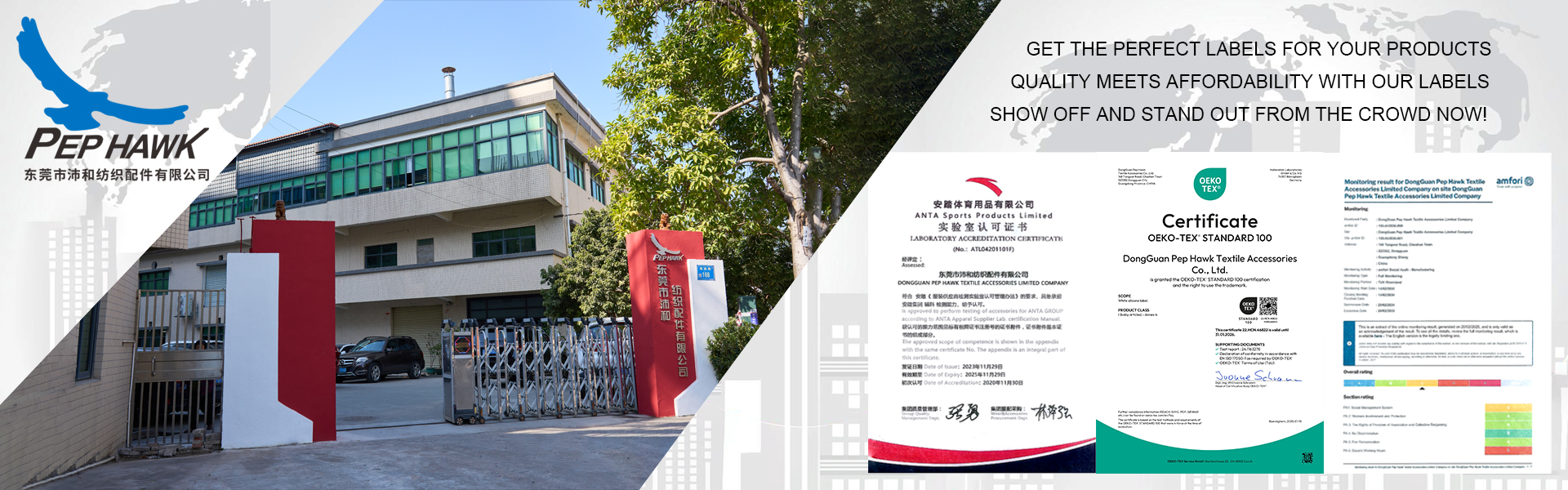
Redefining Customization: Why Print Stitch Patches Aren't the Only Answer
Transform Your Wardrobe with Stitch Patches



