

Transform Your Jacket: Mastering the Craft of Large Custom Embroidered Patches
Personalize your jackets with our custom large patches. Choose from a wide range of designs to express your unique style and make a lasting impression.
The Cultural and Functional Resurgence
Gone are the days when patches were solely the domain of biker culture or school spirit. Today, large custom patches are embraced by luxury brands seeking unique branding, independent designers pushing creative boundaries, and consumers craving deeply personalized expression. The resurgence is fueled by a potent confluence: the global shift towards sustainable fashion (where repairing and personalizing existing garments is valued), the rise of "slow fashion" principles, and the undeniable power of visual storytelling in the digital age. A prominent 2023 report by Statista noted a significant 5.2% annual growth rate in the global custom apparel market segment, with personalized accessories like patches being a key driver. This isn't just about aesthetics; large patches fulfill crucial functional roles. They can reinforce stressed areas on heavy-duty jackets, provide a focal point for intricate embroidery that would be impractical to apply directly to the fabric, or even serve as subtle weatherproofing elements when constructed with specific materials. The key lies in their scale – a large patch inherently commands attention, becoming an integral part of the jacket's visual language rather than a mere afterthought.
Precision Engineering: Beyond Simple Graphics
Designing a large patch for a jacket is fundamentally different from creating a small emblem. The sheer size introduces complex challenges that demand meticulous planning and engineering expertise. Scale and Proportion: A patch that dominates the back of a leather bomber jacket requires a different approach than one placed on the sleeve of a denim jacket. The designer must consider the jacket's silhouette, intended movement, and how the patch interacts with other elements like seams, zippers, or pockets. A poorly proportioned large patch can look overwhelming or awkward, instantly undermining the design's intent. Structural Integrity: This is paramount. Large patches, especially those made with dense embroidery or layered materials, exert significant stress on the jacket fabric where they are attached. If not engineered correctly, they can cause tearing, warping, or detachment over time. This necessitates a thorough understanding of the jacket fabric's weave, stretch, and weight. A patch designed for a stiff canvas trucker jacket requires different adhesion techniques than one for a supple wool coat. Visual Flow: The patch must harmonize with the jacket's overall design narrative. A bold, graphic patch might clash with a minimalist aesthetic, while a subtle tonal patch could get lost on a busy patterned jacket. The design must consider placement, color palette, and the relationship between the patch's elements and the jacket's existing features.
Material Science Mastery: Choosing the Right Foundation
The choice of patch material is not merely aesthetic; it’s a critical technical decision impacting durability, feel, and visual impact. Base Fabric: This is the backbone. Common choices include heavy-duty nylon (excellent for outdoor jackets, offering tear resistance and water repellency), 100% cotton twill (traditional look, good for casual styles), and polyester blends (versatile, often with better colorfastness). The base must match the jacket's primary fabric in terms of weight and flexibility to prevent mismatched movement or stress points. For instance, a patch on a lightweight nylon jacket must use a similar lightweight nylon base to avoid the patch feeling stiff or bulky. Embroidery Threads: For patches featuring detailed imagery, the thread type is crucial. High-quality, tightly twisted polyester threads offer superior color vibrancy and durability, essential for large areas where color fading or thread breakage would be highly visible. A 300+ thread count is often recommended for large-scale embroidery to ensure crisp lines and prevent "bogging down" of the fabric. Adhesive Backing: The method of attachment is equally critical. While some patches use traditional sew-on backing, large patches for jackets often rely on heat-activated adhesive (like pressure-sensitive adhesive or fusible web). The correct adhesive must bond strongly to the jacket fabric and the patch base without damaging either, withstand washing, and maintain flexibility. Industry standards from the Textile Institute (2022) highlight that improper adhesive choice is a leading cause of large patch failure in the field, often manifesting as peeling at the edges after just a few washes.

Technical Execution: From Concept to Construction
The manufacturing process for large custom patches is a precision craft requiring specialized equipment and skilled technicians. Digital Design & Layout: Creating a large patch design begins with advanced CAD software. The designer must account for stitch density, thread color transitions, and the physical limitations of the embroidery machine. For very large patches, the design might be broken into multiple sections (e.g., a back patch split into front and back segments) to ensure the machine can handle the workload without compromising detail. Machine Embroidery: Large patches often require high-speed, industrial-grade embroidery machines with robust frames capable of handling substantial fabric sizes. Maintaining consistent tension across the entire patch area is critical; variations can cause uneven stitching or distorted images. Skilled operators monitor the process to prevent issues like thread breakage or skipped stitches on complex, large-scale designs. Finishing & Quality Control: Once embroidered, the patch undergoes rigorous quality control. This includes checking for missed stitches, uneven color, excess thread, and ensuring the edges are clean and properly trimmed. For patches with heat-activated adhesive, a precise heat application test is vital to confirm adhesion strength without scorching the patch or jacket material. Any large patch that doesn't pass stringent QC is rejected – a non-negotiable standard for professional manufacturers.
Future-Proofing Your Patch Strategy
The landscape of custom large patches is continuously evolving. Sustainability Integration: Consumers and brands alike increasingly demand eco-conscious options. This means sourcing recycled base fabrics (like recycled polyester), using water-based dyes with low environmental impact, and developing recyclable adhesive solutions. A significant trend is moving towards patches designed for repair, allowing a damaged jacket to be rejuvenated rather than discarded. Advanced Materials: Innovations in performance textiles are directly influencing patch design. We're seeing patches incorporating waterproofing layers, reflective elements for safety, or even temperature-regulating fabrics – seamlessly blending functionality with style on large-scale applications. Digital Personalization: While large patches are traditionally bespoke, technology is enabling new levels of customization. Augmented reality (AR) apps allow customers to virtually "try on" large patches on their jackets before ordering, significantly reducing return rates and enhancing the customer experience. The key is adapting these innovations while never sacrificing the core principles of durability, visual integrity, and brand alignment.
When tackling intricate design projects that demand precision and excellence, PEPHAWK stands as your trusted partner. With 16 years of industry expertise and our general manager’s 31-year legacy in silicone innovation, we specialize in transforming complex logo concepts into flawless realities. Our seasoned team combines technical mastery with creative problem-solving to deliver unmatched quality, ensuring your vision is executed with meticulous attention to detail. Partner with PEPHAWK—where unparalleled experience meets cutting-edge craftsmanship.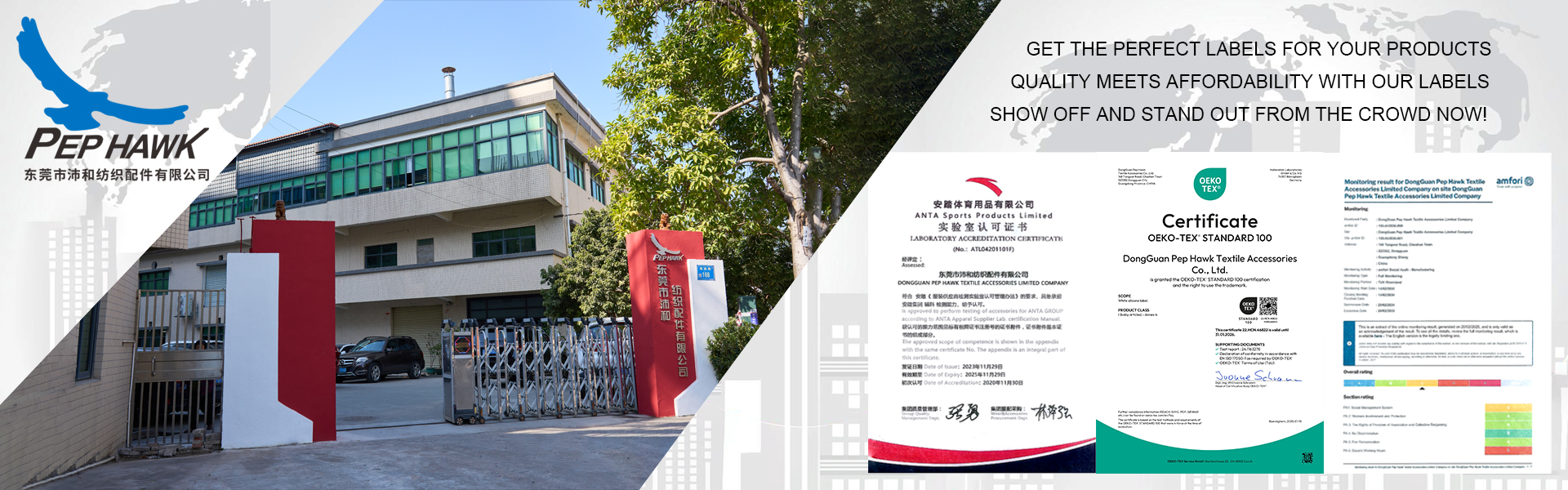
The Technical Advantages of Iron-On Labels in Modern Apparel Production
The Future of Fashion: Custom Iron On Patches for Repair and Expression



