A Strategic Overview of Custom Jacket Patches for Labels and Logos
Create your own custom jacket patches to reflect your personality. Choose from various styles and materials for a truly unique look
In today’s competitive business landscape, corporate branding extends far beyond digital platforms and printed materials. Custom jacket patches have emerged as a powerful, tangible tool for reinforcing brand identity, fostering team cohesion, and enhancing customer engagement. Specifically, label and logo patch products—designed to showcase company insignias, slogans, or regulatory identifiers—offer unparalleled versatility for organizations across industries. These patches transform standard apparel into dynamic brand ambassadors, whether for employee uniforms, promotional merchandise, or specialized gear in sectors like security, aviation, or retail. As businesses increasingly prioritize personalized, durable branding solutions, understanding the nuances of custom jacket patches becomes essential. This article provides a concise yet comprehensive盘点 (review) of key product categories, their strategic applications, and best practices for maximizing ROI. By leveraging these insights, companies can turn everyday garments into compelling touchpoints that resonate with both internal teams and external audiences.
Understanding Core Product Categories and Innovations
Custom jacket patches for labels and logos encompass a diverse range of products tailored to specific branding needs. The most prevalent types include embroidered patches, which utilize high-density stitching for intricate logo reproduction on fabrics like twill or felt; these are ideal for corporate uniforms due to their premium texture and longevity. Woven label patches, often employed as subtle brand tags, feature精细 (fine) threadwork for minimalist logos on collar or sleeve areas, offering a sleek alternative to traditional sewn-in labels. Additionally, heat-transfer vinyl (HTV) patches provide cost-effective, quick-turnaround solutions for small-batch promotions, allowing vibrant color matching to brand guidelines. Innovations such as reflective or PVC patches cater to safety-critical industries—e.g., logistics firms embedding regulatory labels for high-visibility workwear. Crucially, modern manufacturers support full customization: clients specify dimensions (typically 2x3 inches for standard logos), color palettes (Pantone-matched), and backing options (iron-on, Velcro, or sew-on). This product diversity ensures that businesses can select patches aligning precisely with their aesthetic, functional, and budgetary requirements, turning generic jackets into cohesive brand assets.
Strategic Business Applications and Value Proposition
The integration of custom jacket patches into corporate strategy yields measurable advantages across multiple dimensions. Primarily, they amplify brand visibility; a study by the Advertising Specialty Institute indicates that 85% of consumers recall a business after receiving branded apparel, with patches serving as mobile advertisements in public spaces. For instance, tech startups distribute logo-emblazoned patches at conferences, transforming attendees into organic promoters. Internally, these patches foster unity—retail chains like Zara utilize name-tag patches on staff jackets to personalize customer interactions while maintaining brand consistency. In regulated sectors, label patches ensure compliance; airlines employ embroidered FAA-approved identifiers on crew jackets, merging safety with professionalism. Cost efficiency is another compelling factor: bulk orders (500+ units) reduce per-unit costs to as low as $1.50, making patches far more economical than full garment customization. Furthermore, sustainability trends are driving demand for eco-friendly patches using recycled polyester or water-based dyes, appealing to environmentally conscious markets. Ultimately, these applications translate patches from mere accessories into strategic investments that enhance recognition, trust, and operational efficiency.
Key Selection Criteria for Optimal Implementation
To harness the full potential of custom jacket patches, businesses must navigate critical selection factors with precision. Material durability tops the priority list; for outdoor or high-wear environments (e.g., construction), polyester or nylon patches withstand abrasion and weathering better than cotton variants. Design fidelity is equally vital—complex logos require embroidery with 5,000+ stitches for clarity, whereas flat logos suit woven techniques to avoid bulkiness. Companies should also evaluate production timelines: standard lead times span 10–15 days, but rush services (72-hour turnaround) incur premiums, necessitating early planning for event-driven campaigns. Partnering with certified suppliers is non-negotiable; verify ISO 9001 compliance to ensure color consistency and thread strength, minimizing defects. Additionally, consider scalability: modular patch designs allow incremental updates (e.g., swapping event dates on conference jackets) without full reorders. For global brands, factor in regional regulations—patches for EU markets may need CE markings woven directly into the fabric. By addressing these criteria, organizations avoid common pitfalls like fading logos or inconsistent sizing, ensuring patches deliver seamless integration with existing branding ecosystems.
Future Trends and Actionable Recommendations
The custom jacket patch industry is evolving rapidly, driven by technological advancements and shifting market demands. Emerging trends include smart patches embedded with NFC chips for interactive customer experiences—scanning a logo could direct users to promotional content—and 3D embroidery for tactile brand elements that elevate perceived value. Sustainability will dominate future growth; expect wider adoption of biodegradable materials and on-demand production to reduce waste. For businesses, immediate action steps are clear: audit current branding assets to identify gaps where patches could enhance visibility (e.g., replacing paper labels on service jackets), solicit employee feedback to ensure patch designs resonate internally, and pilot small-scale trials before full deployment. Crucially, align patch strategies with overarching marketing goals—whether boosting event engagement or reinforcing corporate culture. As one industry expert notes, "A well-executed patch isn’t just decoration; it’s a silent salesforce." By prioritizing quality, relevance, and innovation, companies can transform custom jacket patches into enduring symbols of brand excellence, driving loyalty and differentiation in an increasingly visual marketplace.
In conclusion, custom jacket patches for labels and logos represent far more than decorative elements—they are strategic instruments for tangible brand elevation. From versatile product options to measurable business impacts, this review underscores their role in modern corporate identity management. As organizations navigate post-pandemic recovery, investing in such personalized, durable solutions offers a high-impact pathway to stand out. Proactive adoption, guided by the insights above, will ensure businesses not only meet but exceed evolving consumer and operational expectations.
When confronted with the task of producing intricate design drafts of the highest quality, PEPHAWK is here to provide the perfect solution. With over 16 years of industry experience and our esteemed general manager boasting 31 years of expertise in the silicone industry, we are the ultimate choice for tackling your challenging logo design projects. Select PEPHAWK for our unmatched proficiency and rest assured in the impeccable outcomes we consistently deliver.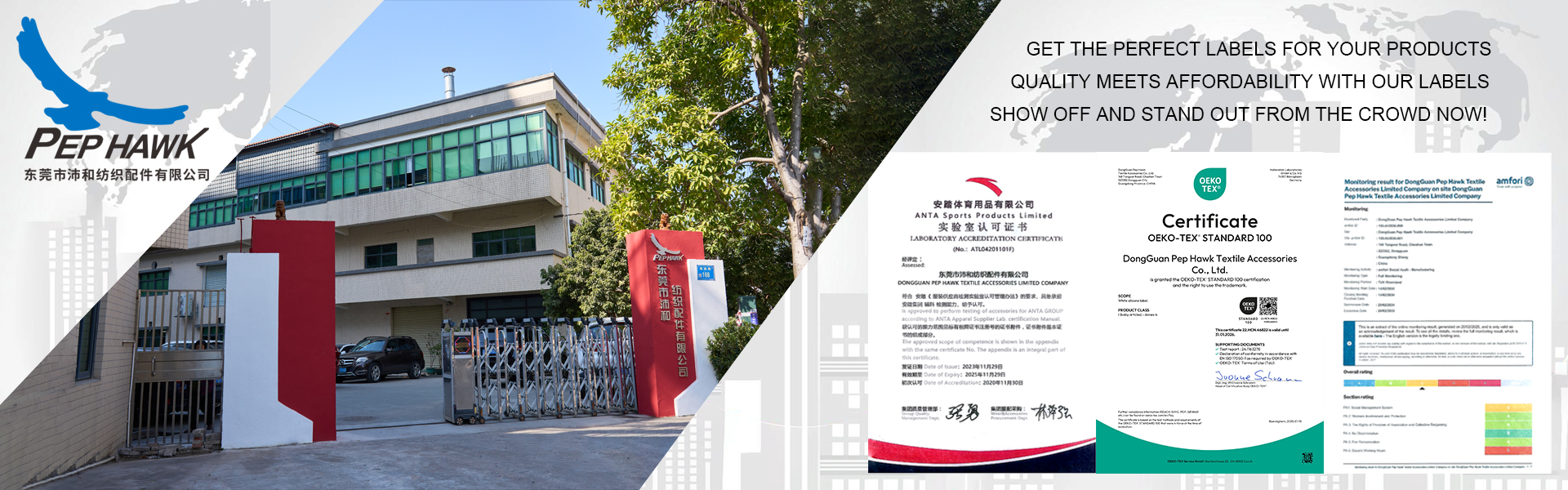
Top Iron Patches Wholesale Products for Business Growth
Patches for Hats: The Silent Brand Ambassadors Revolutionizing Business Strategy