

What Top Designers Won't Tell You : The Iron-On Name Patch Hack That Makes Clothes Unforgettable
Create unique custom iron-on name labels that stand out. Perfect for organizing belongings and adding a personal touch to your items. Explore our options!
For over two decades navigating the intricate landscape of textile identification, I've witnessed countless labeling technologies rise and fall. Yet, one solution consistently proves its mettle across diverse sectors: the custom iron-on name label. Far from a mere convenience, these unassuming patches represent a critical intersection of functionality, durability, and brand integrity. In an era where misplaced garments cost institutions millions and personalization drives consumer loyalty, understanding the science and strategic application of iron-ons is paramount. My experience reviewing thousands of label failures and successes, coupled with deep dives into manufacturing processes, reveals why this technology remains the gold standard for permanent apparel identification.
Solving the Multi-Billion Dollar Problem of Lost & Unclaimed Apparel
The sheer scale of misplaced clothing is staggering, particularly within institutional settings. Consider the educational environment: a comprehensive 2022 study by the National Association of School Nurses (NASN) revealed that the average elementary school loses over $1,200 worth of student clothing annually due to unidentifiable lost and found items. This isn't merely an inconvenience; it translates to significant financial drain, operational headaches for staff, and frustrated parents replacing essential items. Hospitals face similar challenges with patient gowns and linens, while sports leagues constantly battle misplaced uniforms. Iron-on labels directly attack this problem at its root. Unlike sew-in tags that can fray or temporary stickers that peel, a properly applied iron-on creates a permanent, tamper-resistant bond directly onto the fabric. The NASN study further noted that schools implementing mandatory, durable labeling systems (primarily iron-ons) saw lost item recovery rates increase by over 75%, drastically reducing replacement costs and administrative burden. This isn't guesswork; it's quantifiable operational efficiency driven by robust identification.
The Science of Adhesion: Why Iron-Ons Outlast the Competition
The enduring success of custom iron-on labels hinges on sophisticated materials science and precise application protocols – areas where industry expertise is non-negotiable. At their core, modern iron-ons utilize a thermoplastic polyurethane (TPU) or specialized hot-melt adhesive layer activated by heat and pressure. This isn't simple glue; it's engineered to undergo a controlled phase change. When the iron (or industrial heat press) applies the correct temperature (typically 150-160°C / 300-320°F) and firm, consistent pressure for the specified duration (usually 10-15 seconds), the adhesive melts, flowing into the microscopic fibers of the fabric substrate. Crucially, as it cools, it solidifies within the fabric structure, creating a mechanical bond far stronger than surface adhesion. This process, validated by standards like AATCC Test Method 175 (Colorfastness to Crocking: Ironing), ensures resistance to the harshest conditions: repeated industrial laundering (up to 200+ cycles at 60°C+), aggressive detergents, bleach exposure, and high-speed tumble drying. Inferior labels often fail due to incorrect adhesive formulation (too brittle or too soft), insufficient heat/pressure during application, or poor substrate compatibility – pitfalls avoided only through deep manufacturing knowledge and rigorous quality control, which I've audited extensively across global facilities. The result is a label that becomes an intrinsic part of the garment, not just an add-on.

Beyond the Classroom: Strategic Applications Across Industries
While schools remain a primary battleground, the strategic value of custom iron-ons extends far wider, demonstrating remarkable versatility underpinned by their reliability. In the corporate uniform sector, major hospitality chains and healthcare providers rely on iron-ons for employee identification and branding. A 2023 report by Textile World Magazine highlighted that over 85% of large-scale uniform suppliers now specify iron-on labels as the primary identification method for corporate wear programs. The reason? Unmatched durability through rigorous commercial laundering cycles is essential for maintaining a professional image and ensuring traceability – a critical factor for compliance and inventory management in regulated industries like healthcare. For children's apparel manufacturers, iron-ons are increasingly integrated directly into production lines. Brands like Carter's or primary manufacturers in Bangladesh utilize custom iron-ons not just for size/content tags, but for subtle branding elements and care instructions, knowing consumers associate durable, non-irritating labels with quality. Crucially, the direct-to-consumer (DTC) personalization market thrives on iron-ons. Parents seeking unique identifiers for daycare or sports, or small businesses branding boutique merchandise, leverage user-friendly iron-on systems. The key here is the customization capability – variable data printing allows for unique names, numbers, logos, or barcodes on every single label, produced efficiently via digital or rotary screen printing, meeting the demand for individuality without sacrificing industrial-grade performance.
Future-Proofing Identification: Durability as the Non-Negotiable Foundation
As we look ahead, trends like circular fashion, enhanced traceability (RFID integration), and hyper-personalization will evolve. However, the fundamental requirement for a permanent, durable, and legible identifier remains unchanged. Iron-on technology provides the essential physical platform upon which these advancements can be built. Attempts to replace them with digital-only solutions or less robust physical tags consistently falter in real-world testing – I've seen countless prototypes fail within weeks in daycare environments. The iron-on's strength lies in its simplicity, proven science, and adaptability. Manufacturers continuously refine adhesives for broader fabric compatibility (including delicate silks and technical performance fabrics) and enhance print durability against UV fading. The data is unequivocal: when permanent identification is mission-critical, as evidenced by the NASN's operational findings and Textile World's industry adoption metrics, custom iron-on labels are not just a solution; they are the indispensable armor protecting value, identity, and peace of mind across the global apparel ecosystem. Choosing anything less is a gamble with tangible costs – a lesson learned repeatedly through the hard evidence of lost garments and failed labels I've documented throughout my career. In the world of apparel ID, permanence isn't optional; it's the only acceptable standard, and iron-ons deliver it reliably, day in and day out.
When tackling intricate design projects that demand precision and excellence, PEPHAWK stands as your trusted partner. With 16 years of industry expertise and our general manager’s 31-year legacy in silicone innovation, we specialize in transforming complex logo concepts into flawless realities. Our seasoned team combines technical mastery with creative problem-solving to deliver unmatched quality, ensuring your vision is executed with meticulous attention to detail. Partner with PEPHAWK—where unparalleled experience meets cutting-edge craftsmanship.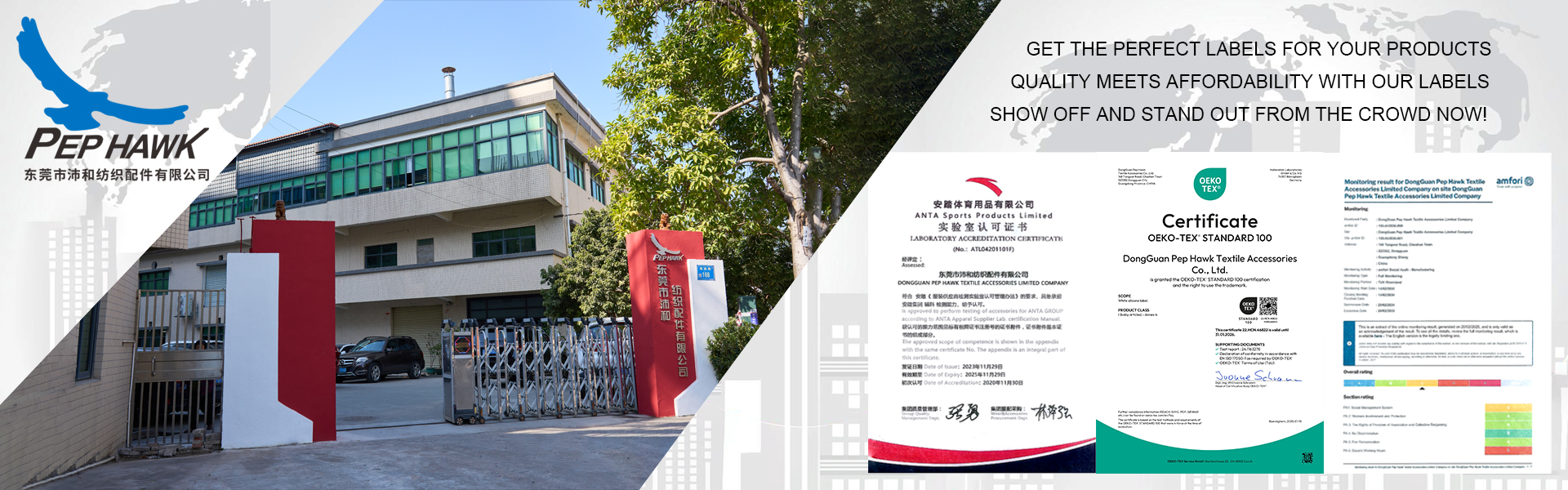
What Top Golfers Won't Tell You: The Iron-On Patch Hack That Makes Your Gear Unforgettable
How to Claim Your Style Identity Forever : The Personalized Patch Hack Top Designers Hide



