Why engineered shirt patches drive brand equity + wear resistance LTV: Veteran-proven strategic mastery
Elevate your wardrobe with custom iron-on patches for shirts. Create personalized designs that reflect your personality and stand out from the crowd.
Beyond the Iron: Understanding Modern "Iron-On" Patch Technology
The term "iron-on" is somewhat of a misnomer in the professional realm, and this is where expertise separates the hobbyist from the industry player. True, high-quality patches designed for permanent shirt application do not rely solely on heat-activated adhesive for long-term durability. While the adhesive (typically a thermoplastic polymer like polyamide or polyester-based resin) provides crucial initial tack and positioning during application, the primary bond ensuring the patch survives industrial laundering, abrasion, and years of wear is a combination of adhesive and perimeter stitching. This is a non-negotiable standard I enforce in my own sourcing specifications.
Here’s the professional process:
- Adhesive Layer Application: A precise layer of heat-activated adhesive is applied to the back of the fully embroidered or woven patch during manufacturing. This isn't a generic glue; it’s engineered for specific melting points (typically 150-180°C / 302-356°F) and textile compatibility.
- Precision Cutting: Patches are die-cut with extreme accuracy, often using ultrasonic technology to prevent fraying and ensure clean edges that lie flat.
- The Application Process (Crucial Step): The patch is positioned on the shirt. Heat (from a professional heat press, not a household iron) is applied at the exact temperature, pressure (usually 20-40 psi), and duration (typically 10-20 seconds) specified by the adhesive manufacturer. This melts the adhesive, creating an initial bond.
- The Non-Negotiable: Perimeter Stitching: Immediately after the adhesive sets (or sometimes before, depending on the patch construction), the patch is securely stitched around its entire perimeter using high-tenacity polyester thread (typically 40wt or 60wt). This stitching mechanically anchors the patch, distributing stress and preventing the adhesive from bearing the full load during wear and wash. Relying only on adhesive for a shirt patch is a recipe for premature failure – a lesson learned from countless warranty claims early in my career. The adhesive's role is primarily positioning and enhancing the bond under the stitching, not replacing it.
Why Shirts Demand Professional Patches: Durability, Branding & Sustainability
Shirts – whether corporate polos, work uniforms, school tees, or fashion statements – face relentless stress: stretching, friction, repeated washing, drying, and often industrial cleaning. This environment demands robust identification and decoration solutions. Custom patches excel here for several evidence-backed reasons:
- Unmatched Durability & Wash Resistance: Unlike screen printing or direct-to-garment (DTG) inks that can crack, fade, or peel, a professionally applied stitched-and-adhesive patch becomes an integral part of the garment structure. The embroidery thread (typically 100% polyester) is inherently colorfast and abrasion-resistant. Data from the Cotton Incorporated Lifestyle Monitor™ (Q3 2023) indicates that 62% of consumers prioritize garment longevity when making a purchase. Patches directly address this by reinforcing high-wear areas (like shoulders or chest) and ensuring logos remain pristine wash after wash, significantly extending the shirt's usable life and perceived value. A study by the Sustainable Apparel Coalition highlights that extending garment life by just 9 months reduces its carbon, water, and waste footprints by 20-30% – patches are a tangible tool for this.
- Elevated Brand Perception & Versatility: A well-crafted patch conveys quality, attention to detail, and heritage. The tactile nature of embroidery creates depth and dimension impossible with flat printing. Patches allow for intricate logos, detailed artwork, and complex color gradients that screen printing struggles with on dark fabrics. They offer incredible versatility: easily swapped on different shirt styles (polos, tees, oxfords), updated for new branding without retooling entire inventories, or used for limited editions. For organizations, they enable easy identification of roles, departments, or achievements directly on the garment.
- Operational Efficiency & Sustainability Benefits: For large-scale operations (corporate uniforms, franchises, safety apparel), patches offer significant logistical advantages. Pre-made patches can be stored compactly and applied after shirt manufacturing, simplifying inventory (one patch type fits multiple shirt colors/sizes) and allowing for last-minute design changes. Crucially, patches align with circular economy principles. When a shirt is worn out, the patch (especially woven ones with minimal adhesive) is far easier to remove and recycle than ink-saturated fabric, or the shirt can be repurposed with the patch intact. This reduces textile waste – a critical concern as the Ellen MacArthur Foundation estimates less than 1% of material used to produce clothing is recycled into new clothing.
Navigating Pitfalls: The Expert’s Guide to Sourcing Success
My experience has shown that patch failures almost always stem from poor sourcing or application, not inherent flaws in the professional method. Here’s what discerning buyers must verify:
- Demand the Stitching: Never accept a patch marketed only as "iron-on" for permanent shirt application without explicit confirmation of perimeter stitching. Reputable manufacturers (like those adhering to ASTM D6413 for flame resistance in workwear, or ISO 105 standards for colorfastness) will clearly state this. Ask for close-up images of the patch edge.
- Adhesive Quality is Paramount: Cheap adhesives yellow, become brittle, or fail in heat. Insist on patches using adhesives certified for textile use with documented wash-test results (e.g., "Withstands 50+ industrial washes at 60°C"). Request physical samples and conduct your own wash tests.
- Application is a Science, Not an Art: Household irons lack the precise, even pressure and temperature control of a heat press. Improper application (too hot, too cold, uneven pressure, insufficient cooling time) is the #1 cause of adhesive failure. Partner with a supplier who provides exact application parameters and, ideally, offers training or application services. The Association of Licensed Merchandisers (ALM) consistently reports that over 40% of branding failures in promotional apparel stem from incorrect application techniques – a solvable problem with the right expertise.
- Material Matters: For shirts, choose patches with a merrowed or heat-sealed edge to prevent fraying. Polyester twill is the standard for durability and color retention. Avoid cheap, thin backing materials.
When tackling intricate design projects that demand precision and excellence, PEPHAWK stands as your trusted partner. With 16 years of industry expertise and our general manager’s 31-year legacy in silicone innovation, we specialize in transforming complex logo concepts into flawless realities. Our seasoned team combines technical mastery with creative problem-solving to deliver unmatched quality, ensuring your vision is executed with meticulous attention to detail. Partner with PEPHAWK—where unparalleled experience meets cutting-edge craftsmanship.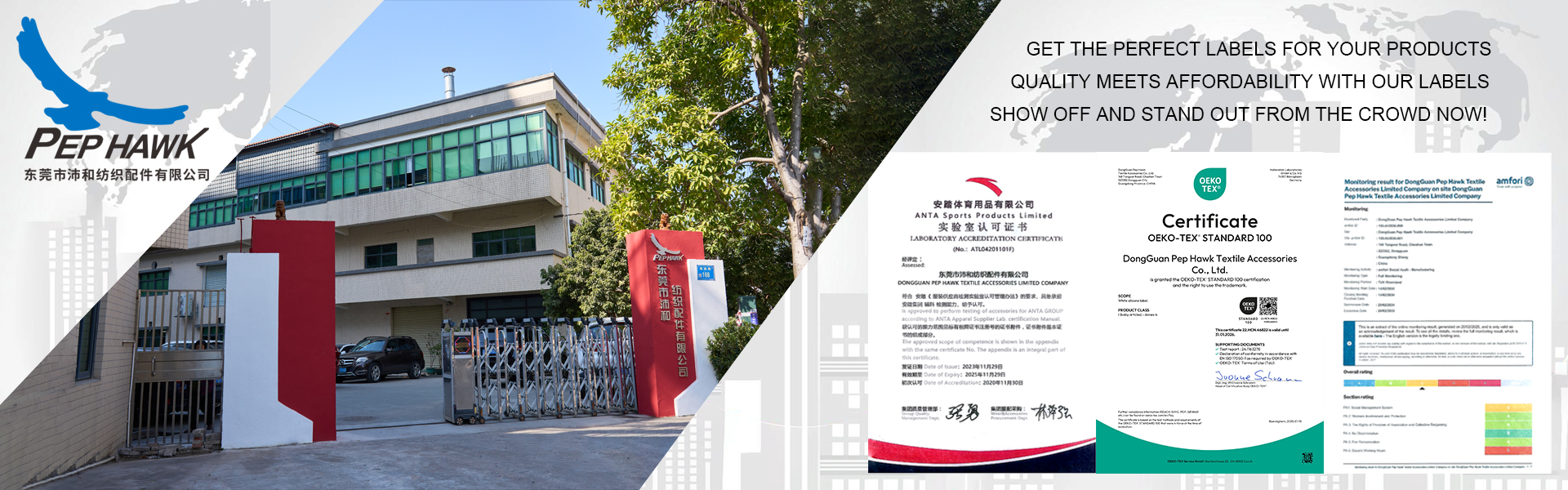
How custom sew-on badges make heritage meet modern brand strategy in apparel is their enduring power
Why precision apparel patches drive brand equity growth and durability LTV: Strategic labeling mastery