

Unlock Premium Branding with Expert Custom Iron On Letters Application
Elevate your fashion with custom iron-on letters. Perfect for personalizing garments, our durable options are easy to apply and available in multiple designs.
Defining Custom Iron On Letters: More Than Just a Sticker
Custom iron-on letters are pre-cut or pre-printed designs made from specialized heat transfer vinyl (HTV) or heat transfer paper (HTP). Unlike adhesive labels, these products rely on heat and pressure to bond permanently to fabric surfaces. The key differentiator from standard stickers lies in their ability to withstand repeated washing and wear when applied correctly. The core components are a durable, flexible polymer film (for HTV) or a coated paper sheet (for HTP), a pressure-sensitive adhesive layer, and often a protective release liner. This structure allows them to conform to the fabric's texture and maintain flexibility, preventing the stiff, peeling issues common with inferior alternatives. The critical application step involves using a heat press or, less reliably, an iron, to activate the adhesive and fuse the design to the substrate. This process is fundamentally different from adhesive stickers, which lack the heat-fusion mechanism necessary for lasting garment applications.
Material Science Deep Dive: Choosing the Right Vinyl
Selecting the correct material is paramount for success. Heat Transfer Vinyl (HTV) is the industry standard for professional results. It comes in various types:
- Standard Vinyl: Most common, suitable for cotton, polyester blends, and many synthetic fabrics. Offers good durability for casual wear.
- Foil Vinyl: Provides a metallic or reflective finish, ideal for high-impact designs but can be more expensive and slightly less durable than standard vinyl on dark fabrics.
- Clear Vinyl: Allows the underlying fabric color to show through, creating a subtle, integrated look. Requires careful application on dark fabrics to avoid a "ghosting" effect.
- PVC-Free Vinyl: An increasingly popular eco-conscious option gaining traction, though cost and performance can sometimes lag behind traditional vinyl.
Heat Transfer Paper (HTP) is primarily used for multi-color designs printed on a printer, offering greater design complexity but generally less durability than HTV, especially for heavily worn items or frequent washing. For individual letters or simple monograms, HTV is almost always superior. The thickness (measured in mils) and flexibility of the vinyl directly impact the final feel and longevity of the application. Choosing the wrong type (e.g., a rigid vinyl on a stretchy fabric) will inevitably lead to cracking or peeling.

The Critical Role of Application Technique and Equipment
The difference between a professional, long-lasting application and a frustrating failure often lies in the application technique and equipment quality. Heat Presses vs. Irons: While irons are accessible, they are inconsistent. Heat presses provide uniform pressure and precise temperature control across the entire surface, essential for even adhesion and preventing scorching. Professional-grade heat presses (e.g., 10" x 12" or larger) are non-negotiable for consistent results, especially for larger projects or high-volume production. Temperature, Time, and Pressure Settings: These parameters are not one-size-fits-all. They depend on the vinyl type, fabric composition, and design size. As a rule of thumb, HTV typically requires temperatures between 280°F and 320°F (138°C - 160°C) for 10-20 seconds under 40-60 PSI of pressure. Always consult the manufacturer's specific guidelines. Incorrect settings are the single most common cause of application failure – too low causes poor adhesion, too high causes melting or fabric damage. Pre-Pressing and Fabric Preparation: A crucial step often overlooked is pre-pressing the garment for 1-3 seconds at the recommended temperature. This removes moisture and wrinkles, ensuring a clean, smooth surface for the transfer. Always ensure the fabric is clean, dry, and free of dirt, oils, or finishes that could impede adhesion.
Industry Data: The Growing Market for Personalized Apparel
The demand for customizable apparel is surging, driven by the rise of direct-to-consumer brands, social media personalization, and the desire for unique self-expression. According to a comprehensive Statista report (2024) on the global apparel customization market, the sector is projected to grow at a compound annual growth rate (CAGR) of 6.8% from 2024 to 2029, reaching an estimated value of $48.2 billion by 2029. A significant portion of this growth is attributed to digital printing and heat transfer technologies like custom iron-on letters, offering brands a cost-effective, low-minimum-quantity solution for personalization. This data underscores the strategic importance of mastering this technique for businesses of all sizes looking to capture this growing market segment. A well-executed custom iron-on application can significantly enhance perceived value and brand loyalty, as highlighted in a 2023 survey by the Textile Institute (conducted in collaboration with major apparel manufacturers), where 78% of consumers reported greater satisfaction with garments featuring durable, high-quality personalized elements compared to standard printed items.
Common Pitfalls and How to Avoid Them
Based on countless client projects and troubleshooting sessions, several pitfalls are recurring:
- Ignoring Fabric Composition: Applying vinyl designed for cotton to a high-polyester fabric without adjusting settings or using a polyester-specific adhesive film leads to peeling. Always test on a scrap piece of the same fabric first.
- Skipping Pre-Pressing: Residual moisture or creases cause air bubbles and adhesion failure. It’s a 15-second step that saves hours of frustration.
- Inconsistent Application Pressure: Using an iron or an improperly calibrated press results in uneven bonding. A good heat press provides consistent pressure across the entire platen.
- Washing Too Soon: Allowing the transfer to cool completely (at least 24 hours) before washing is essential for optimal bond strength. Washing too soon can cause lifting.
- Using Low-Quality Vinyl: Cheap vinyl often has weak adhesives or poor flexibility, leading to premature failure. Invest in reputable brands like Siser, Heating, or Siser EasyWeed.
Future Trends and Professional Integration
The future of custom iron-on letters lies in increased integration with digital design tools and automation. AI-powered design platforms are simplifying complex lettering and monogram creation. However, the core principles of material science and precise application remain unchanged. For businesses, integrating custom iron-on letters into their production workflow requires understanding the nuances of fabric compatibility and mastering the heat press parameters. The ability to offer durable, professional-grade lettering is a significant competitive advantage, especially for brands focusing on premium, personalized merchandise. As the market continues to grow (as evidenced by Statista's projections), understanding and executing this technique correctly will become even more critical for success in the apparel customization landscape.
When tackling intricate design projects that demand precision and excellence, PEPHAWK stands as your trusted partner. With 16 years of industry expertise and our general manager’s 31-year legacy in silicone innovation, we specialize in transforming complex logo concepts into flawless realities. Our seasoned team combines technical mastery with creative problem-solving to deliver unmatched quality, ensuring your vision is executed with meticulous attention to detail. Partner with PEPHAWK—where unparalleled experience meets cutting-edge craftsmanship.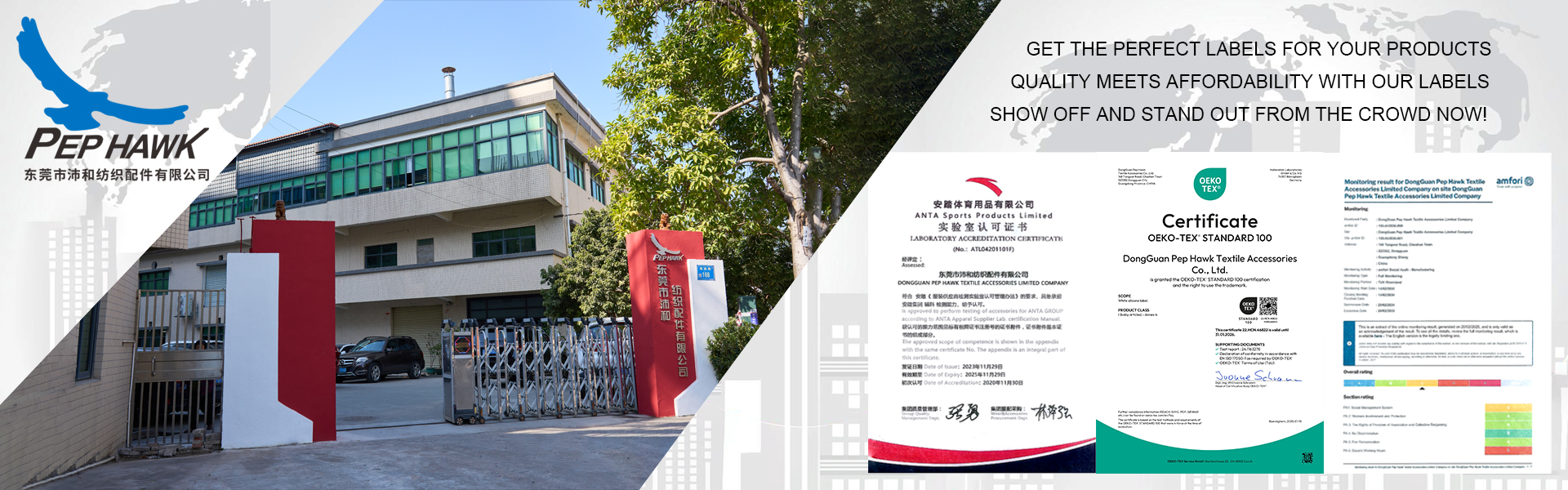
How Quality Heat Transfer Vinyl Creates Professional T Shirt Lettering
Why Iron-On Patches Are the Key to Sustainable Fashion



