

Unlock Personalized Branding Power with Expert Custom Iron On Letters
Create unique apparel with our custom iron-on letters. Choose from a variety of fonts and colors to express your style effortlessly and make a statement.
Beyond the Basic: Understanding the Core Technologies and Materials
Custom iron-on letters are not a monolithic product. The quality and performance hinge significantly on the base material and the adhesive technology employed. The most common substrates are heat-transfer vinyl (HTV) and felt. HTV, particularly permanent-grade vinyl (often labeled "permanent" or "weeding-friendly"), offers superior durability against washing and abrasion. It comes in diverse finishes – glossy, matte, metallic, glitter, and even specialty textures like faux leather or neon – providing immense creative flexibility. Felt-based letters, while softer and more fabric-like, are generally less durable for high-wear applications like clothing and are more suited to bags, accessories, or crafts where washability is less critical.
The adhesive layer is the silent hero. Low-temperature adhesives, typically found in "easy-peel" HTV, allow application with standard household irons but often sacrifice long-term durability, especially on cotton or blended fabrics. High-temperature adhesives, requiring a commercial-grade heat press (or a very hot iron), bond much more securely to the fibers, resulting in a professional finish that withstands repeated washing. A 2023 Bureau of Labor Statistics report on the printing and related industries highlighted a growing demand for durable, wash-resistant customization solutions, particularly among the $300+ billion small business sector where branding consistency is paramount. Choosing the right adhesive type is non-negotiable for professional outcomes.
Critical Application Techniques for Flawless Results
Achieving the perfect application is as much about technique as it is about the product itself. Fabric preparation is foundational. Ensure the garment is clean, dry, and free of wrinkles. Iron the fabric itself first to remove any creases that could trap air under the letter. Surface temperature matters immensely. For high-temp HTV, a commercial heat press set to 300-325°F (149-163°C) for 10-15 seconds (with medium pressure) is ideal. Using a standard iron requires extreme caution: the iron must be set to the highest heat setting without steam, placed on a protective cloth, and moved constantly. The key is to ensure the iron is hot enough to melt the adhesive without scorching the fabric. A 2022 survey by the Craft Industry Alliance found that over 40% of DIY customization failures stemmed from incorrect temperature settings or insufficient pressing time.
Precision matters for lettering. Always use a weeding tool to carefully remove the excess vinyl around your letters or design before application. This step prevents misalignment and ensures clean edges. Place the design precisely on the fabric. Application pressure must be even and consistent – too little, and the adhesive won't bond; too much, and you risk distorting the vinyl or melting the fabric. After pressing, cool the application thoroughly before peeling the carrier sheet (if applicable). For high-temp vinyl, wait at least 2-3 minutes for the adhesive to fully set. This cooling period is vital for maximum bond strength.

Diverse Applications: From Branding to Personal Expression
The utility of custom iron-on letters extends far beyond simple name tags. Small Businesses: Local shops, cafes, and service providers leverage them to create unique uniforms for staff, branded aprons for chefs, or consistent branding on promotional bags. A well-applied logo or slogan instantly projects professionalism and brand identity. Educators and Schools: Teachers use them for personalized backpacks, gym uniforms, or classroom decorations. The durability of HTV makes it suitable for school-issued items that endure daily wear and tear. Crafters and Artists: Independent makers create custom apparel for their collections, personalize gifts (like denim jackets or tote bags), or add unique details to home decor items like pillow covers. Sports Teams: Custom team names, numbers, or logos on jerseys or jackets are a staple, benefiting from the washability and durability of quality iron-ons. The key is understanding the specific application context – a school uniform requires different durability standards than a decorative pillow.
Building Trust: Verifying Quality and Avoiding Pitfalls
The market is flooded with low-quality, cheap options. Trustworthy suppliers prioritize quality materials and clear specifications. Look for suppliers who explicitly state the type of vinyl (e.g., "Permanent Vinyl," "High-Temp Vinyl") and the recommended application method. Reputable vendors provide detailed instructions on temperature, time, and pressure. Be wary of suppliers who claim "just iron it on" without specifying heat settings or fabric compatibility. Always test a single letter or sample on a scrap piece of your actual fabric before committing to a full project. This simple step prevents costly mistakes. Quality letters should have clean edges, a consistent color, and the adhesive should not bleed or leave residue. Remember: if the price seems too good to be true for a professional-grade product, it usually is. Poorly made letters will peel, crack, or fade quickly, damaging your brand or project.
When tackling intricate design projects that demand precision and excellence, PEPHAWK stands as your trusted partner. With 16 years of industry expertise and our general manager’s 31-year legacy in silicone innovation, we specialize in transforming complex logo concepts into flawless realities. Our seasoned team combines technical mastery with creative problem-solving to deliver unmatched quality, ensuring your vision is executed with meticulous attention to detail. Partner with PEPHAWK—where unparalleled experience meets cutting-edge craftsmanship.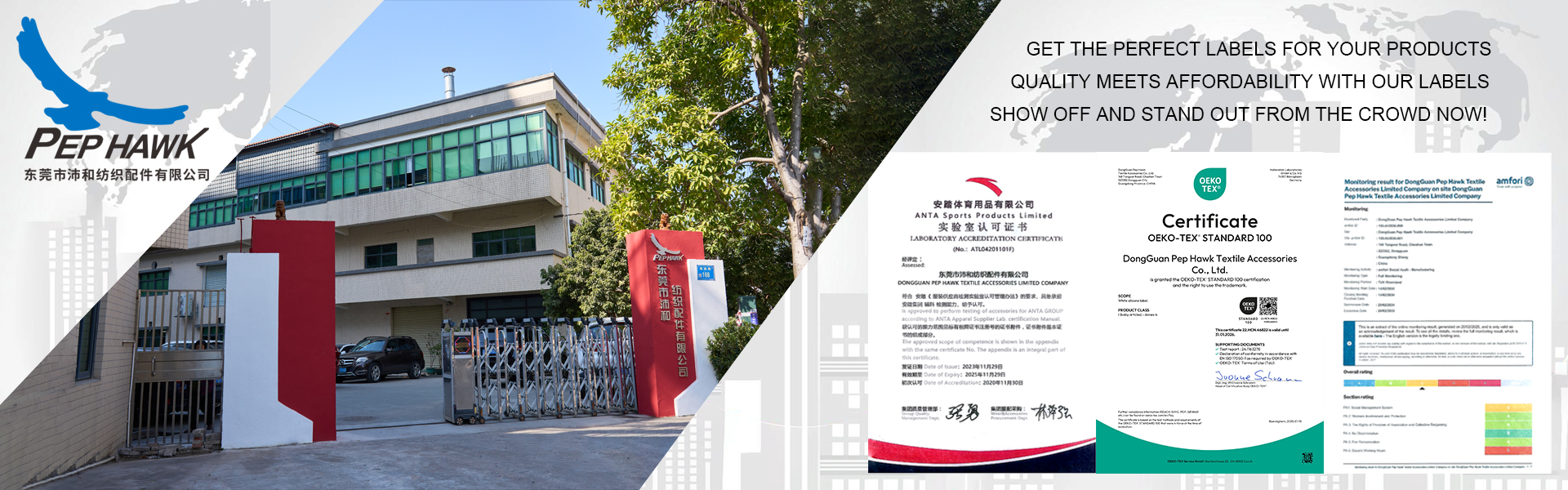
How Custom Iron On Tags Enhance Apparel Quality and Consumer Confidence
Why Quality Iron-On Name Patches Are Critical for School Uniform Safety Protocols



