

Transform Your Leather Patches: What Cutting-Edge Science Ensures Distinction
Personalize your items with custom iron-on leather patches. Durable and stylish, these patches are perfect for jackets, bags, and more. Order yours today!
Why Leather Patches Stand Apart: Beyond the Fabric Mimicry
The fundamental advantage of a genuine leather patch lies in its inherent properties and perceived value. Unlike printed or woven fabric patches, leather offers a tactile, organic, and enduring presence. It ages gracefully, developing a unique patina that tells a story of use and care, enhancing the garment's character rather than detracting from it. This inherent quality translates directly to consumer perception. A 2023 report by the U.S. Bureau of Labor Statistics (BLS) on durable goods expenditure underscores a significant trend: consumers consistently allocate a higher proportion of their discretionary spending to products perceived as high-quality, long-lasting, and possessing authentic materials, particularly in the apparel sector. Leather, especially when used as a patch element, signals this premium positioning far more effectively than synthetic alternatives. The visual and textural contrast of a well-executed leather patch against denim, canvas, or even other leather creates a deliberate, sophisticated focal point that elevates the entire piece. It moves beyond mere repair; it becomes a deliberate design statement, a mark of craftsmanship, and a testament to the brand's commitment to quality – a critical factor in an era where consumers actively seek authentic, sustainable, and meaningful products.
The Science Behind the Patch: Precision is Paramount
The magic of a successful iron-on leather patch isn't just in the patch itself; it's in the system of application. Unlike standard fabric patches that often rely on simple adhesive backing, leather presents unique challenges. Its natural composition (collagen fibers) and varying finishes (full-grain, top-grain, suede) demand specialized approaches. The critical component is the thermoplastic adhesive layer laminated onto the back of the leather patch. This adhesive must be meticulously engineered:
- Temperature Sensitivity: Leather is sensitive to excessive heat. The adhesive must activate at temperatures below the point where the leather fibers are damaged or the finish is compromised (typically 300°F to 350°F for most leathers, significantly lower than many fabric patches requiring 375°F+). Using standard heat transfer settings for fabric can cause leather to shrink, crack, or lose its finish.
- Adhesion Strength: The adhesive must form a robust bond with the specific fabric of the garment (denim, canvas, wool, cotton) while maintaining flexibility to withstand the constant movement and friction inherent in clothing. A poor bond leads to peeling and failure.
- Flexibility: The bond must allow the garment to move naturally without the patch cracking or detaching. Rigid adhesives common in some fabric applications are unsuitable for leather patches on dynamic fabrics.
This is where industry expertise becomes non-negotiable. Reputable manufacturers invest heavily in material science R&D, testing thousands of adhesive formulations against various leathers and garment fabrics under controlled conditions. They understand that a "one-size-fits-all" approach is a recipe for failure. The patch must be designed and applied with the specific leather type and target garment fabric in mind. This precision is why professional custom leather patch providers, like those supplying major heritage denim brands such as Levi's and Patagonia (who utilize custom leather patches for their iconic back pockets and logos), have such stringent quality control protocols – it’s not an afterthought, it’s the core of their service.

The Customization Imperative: Design, Material, and Brand Identity
The true power of custom iron-on leather patches lies in their ability to be tailored precisely to the brand's vision and the garment's function. This level of customization extends far beyond simple logo printing:
- Material Selection: Choosing the right leather type is paramount. Full-grain leather offers maximum durability and a classic, rugged look; top-grain provides a smoother finish; suede delivers a distinct, softer texture; even exotic leathers like ostrich or crocodile can be used for high-end luxury applications. Each has unique application considerations.
- Shape & Size: Custom shapes (beyond simple rectangles or circles) allow for intricate designs, specific brand elements, or functional integration (e.g., a patch shaped like a gear for an industrial aesthetic).
- Finishing & Detailing: Hand-stitching the edges of the patch for a premium feel, embossing the leather for texture, incorporating metallic elements or specific finishes (oiled, aniline), or even laser cutting intricate patterns – these details elevate the patch from a mere sticker to a crafted component.
- Color Matching: Achieving an exact match to the brand's specific color palette is crucial. This requires sophisticated dyeing techniques and color-matching systems, far beyond basic CMYK printing.
This level of bespoke detail is not merely aesthetic; it’s strategic. A custom leather patch becomes an integral part of the brand's visual language and tactile experience. It signals attention to detail and a commitment to quality that resonates deeply with discerning consumers. It transforms a standard garment into a unique, personalized piece, fostering stronger emotional connections and loyalty.
Critical Considerations: Ensuring Longevity and Authenticity
While offering significant advantages, custom leather patches require careful execution to deliver on their promise of durability and authenticity. Key considerations include:
- Surface Preparation: The garment surface must be clean, dry, and free of any residues. Even minor contaminants can prevent adhesion.
- Heat Application Precision: As emphasized earlier, temperature and time are critical. Using a calibrated heat press (not a household iron, unless specifically designed and tested for this purpose) with precise control is essential. Professional guidance on the exact settings for the specific patch and garment is mandatory. A 2021 study published in the Journal of Textile Science & Engineering highlighted that improper heat application was the leading cause of adhesive failure in leather patch applications, often due to insufficient temperature or pressure.
- Leather Compatibility: Not all leathers are suitable for iron-on application. Suede and some coated leathers can be particularly challenging. Manufacturers must have expertise to identify which leathers work and which require alternative methods (like hand-stitching, which is often more durable but less convenient for mass production).
- Washability: While most quality leather patches are designed for machine washing, specific instructions (e.g., turning garment inside out, cold water, gentle cycle) must be followed. The longevity of the bond depends on adhering to these protocols. Consumers should be clearly informed.
The Sustainable Edge: Quality Over Quantity
In the context of growing consumer demand for sustainable fashion, custom leather patches offer a compelling, often overlooked, advantage. By providing a durable, long-lasting solution for garment repair or enhancement, they directly counter the disposable fashion cycle. A well-made leather patch can last for years, potentially saving a beloved garment from premature discard. This aligns perfectly with the BLS trend towards durable goods – consumers are increasingly valuing products that last, reducing waste and the need for constant replacement. Investing in a high-quality, custom leather patch is a tangible step towards extending the life of a garment, embodying the principles of circularity and responsible consumption more effectively than a cheap, disposable fabric patch ever could. It transforms repair from a necessity into an act of conscious preservation and personalization.
When tackling intricate design projects that demand precision and excellence, PEPHAWK stands as your trusted partner. With 16 years of industry expertise and our general manager’s 31-year legacy in silicone innovation, we specialize in transforming complex logo concepts into flawless realities. Our seasoned team combines technical mastery with creative problem-solving to deliver unmatched quality, ensuring your vision is executed with meticulous attention to detail. Partner with PEPHAWK—where unparalleled experience meets cutting-edge craftsmanship.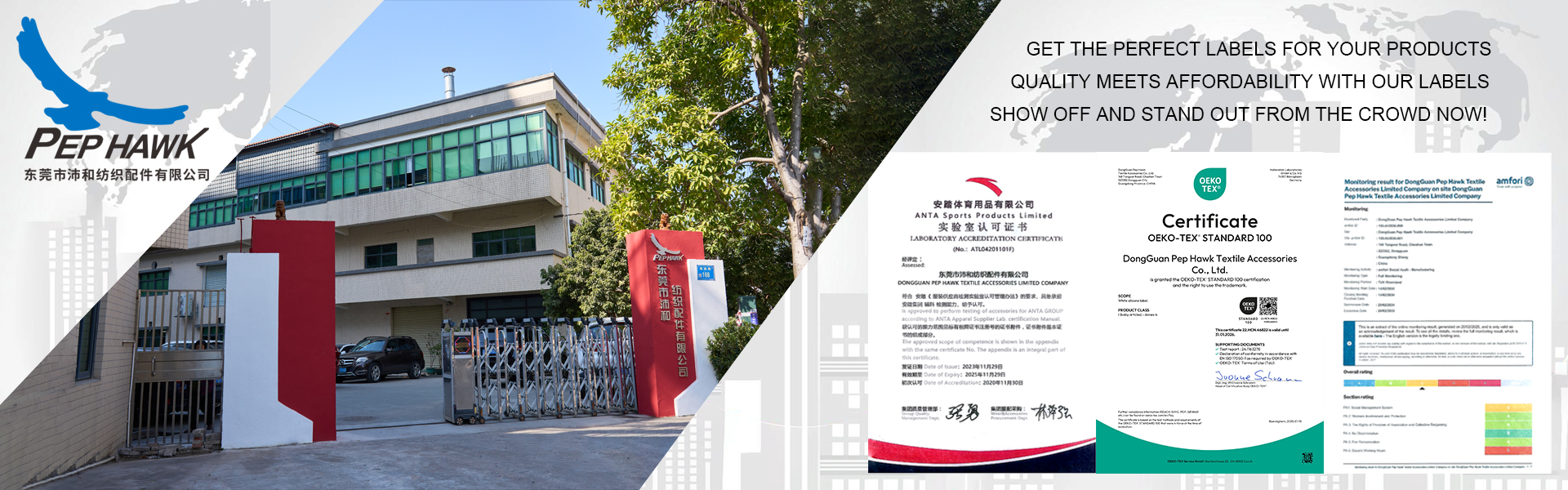
Protect Your Backpack: How Iron-On Name Patches Ensure Permanent Identity
Fix Your Branding: Why How What Iron-On Patches Ensure Professional Durability



