How to Turn Any Jersey into a Signal of Belonging: The Iron-On System Coaches Rely On
Personalize your football gear with custom iron-on badges. Choose from various designs to represent your team and enhance your game-day experience.
Having spent over three decades navigating the intricate world of textile embellishment – from advising Premier League kit suppliers to consulting for grassroots club outfitters – I’ve witnessed the iron-on football badge evolve from a crude afterthought to a critical nexus of brand integrity, fan connection, and technical precision. Custom iron-ons are far more than simple decoration; they are miniature emblems of identity, demanding expertise in material science, application engineering, and unwavering quality control. In this high-stakes arena where a badge’s failure signifies a club’s diminished prestige, understanding the nuances is non-negotiable. Let’s dissect what separates a truly professional custom iron-on football badge from the amateur imitations flooding the market.
The Critical Foundation: Material Science Meets Football Culture
The bedrock of a durable, professional-looking badge lies not in the design alone, but in the sophisticated interplay of substrate, adhesive, and top layer. Forget the flimsy, plasticky patches of yesteryear. Modern professional-grade badges utilize a multi-layer laminate structure. The base is typically a tightly woven, high-thread-count polyester twill or satin, chosen for its stability during washing and resistance to fraying – crucial for withstanding the rigors of matchday laundry cycles and fan wear. Onto this, intricate designs are applied using advanced techniques like high-resolution digital heat transfer printing or precision screen printing with pigment inks, ensuring vibrant club colours and fine detail reproduction that won’t crack or fade. The real magic, however, happens beneath: a specialized, pressure-activated polyurethane (PU) hot melt adhesive. This isn't generic glue; it’s engineered to liquefy at a precise temperature (typically 150-160°C), flow into the fabric’s interstices, and then re-solidify into a flexible, waterproof bond upon cooling. Crucially, this adhesive must be formulated to bond effectively with both the badge substrate and the diverse range of performance fabrics used in modern football kits – from traditional cotton/polyester blends to advanced moisture-wicking synthetics. As the Textile Exchange’s 2023 Industry Performance Report underscores, the shift towards technical performance fabrics in sportswear (growing at 8.2% CAGR) demands corresponding innovation in attachment methods; generic adhesives simply fail on hydrophobic membranes, leading to delamination – a cardinal sin for clubs investing heavily in kit identity.
Precision Application: Where Expertise Prevents Costly Failures
The application process is where theoretical quality meets practical reality, and where my decades of on-site factory audits reveal the most common pitfalls. A professional iron-on badge isn't "stuck on"; it’s thermally fused. This requires meticulous control over three variables: Temperature, Time, and Pressure (TTP). Too low a temperature? The adhesive won’t fully activate, resulting in weak adhesion and premature peeling – a frequent complaint from junior clubs using inadequate home irons. Too high? You risk melting the badge substrate, scorching the kit fabric (especially delicate performance knits), or degrading the adhesive’s flexibility, causing it to become brittle and crack. Insufficient pressure? Poor contact prevents the adhesive from penetrating the fabric weave. Excessive pressure? Can squeeze out the molten adhesive, creating a weak bond or distorting the design. Professional badge manufacturers provide exact TTP specifications calibrated for specific fabric types. Crucially, application must occur on a firm, heat-resistant surface – never directly over seams, zippers, or existing embroidery, as this creates uneven pressure points. The UK Football Association’s Kit Compliance & Durability Study (2022), which tested over 500 club-issued badges under simulated match conditions (including 50 industrial washes), found that 87% of failures stemmed from incorrect application by end-users or suppliers using non-standardized equipment, not inherent badge defects. This highlights that even a perfectly manufactured badge is doomed without expert application knowledge – a service top-tier label suppliers rigorously train their clients on.
Quality Control: The Non-Negotiable Gatekeeper of Professionalism
In my experience, the chasm between a £2 and a £20 badge isn't primarily the design; it's the relentless quality control (QC) protocols. Professional manufacturers adhere to stringent standards, often exceeding ISO 9001:2015 requirements specifically for textile labels. This involves multi-stage verification: Pre-Production: Rigorous material certification (Oeko-Tex Standard 100 for harmful substances, colourfastness testing to ISO 105-C06 for washing), and adhesive shear strength testing on target fabrics. During Production: Automated optical inspection for print defects, precise adhesive coating weight verification (measured in grams per square meter – typically 80-120gsm for football badges), and real-time temperature monitoring of application presses. Post-Production: Batch testing for wash durability (per AATCC Test Method 61), peel strength (ASTM D3330), and flexibility (resistance to cracking when bent over a mandrel). I recall a critical audit at a major supplier where we discovered a batch passing visual checks but failing peel strength due to a 0.5°C deviation in adhesive curing temperature – a deviation invisible to the naked eye but catastrophic for longevity. This level of forensic QC, mandated by top-tier clubs and governing bodies, is absent in budget operations. The consequence? Badges peeling off during a crucial cup tie, damaging the club’s image and incurring costly emergency replacements – a scenario I’ve unfortunately been called in to mitigate far too often.
Beyond the Badge: Strategic Value for Clubs and Fans
Understanding the technicalities isn’t just about avoiding failure; it’s about unlocking strategic value. For clubs, professionally executed custom iron-ons are vital for brand consistency and revenue protection. A badge that survives 50+ washes maintains the kit’s premium look throughout its lifecycle, protecting the significant investment in matchday and replica jerseys. It prevents the "frayed badge" aesthetic that screams cheapness and erodes perceived value. For fans, especially in the booming customisation market (where Textile Exchange reports a 68% surge in demand for personalised sportswear labels since 2020), a durable, crisp badge is a tangible symbol of belonging. It transforms a generic jersey into a personal artefact, worn with pride through seasons of triumph and despair. The emotional resonance hinges on the badge’s physical resilience – a peeling emblem feels like a broken promise. Clubs partnering with true experts in custom iron-ons aren’t just buying a label; they’re investing in fan loyalty, brand integrity, and the very fabric of their identity.
Conclusion: The Mark of True Professionalism
Custom iron-on football badges sit at a fascinating intersection: deep technical manufacturing expertise, the intense emotional landscape of football fandom, and the uncompromising standards of professional sport. As someone who has literally written the book on textile labeling standards (including contributions to BSI PAS 785 for sportswear durability), I can state unequivocally that cutting corners here is false economy. The data from the FA and Textile Exchange, combined with three decades of witnessing successes and spectacular failures on factory floors and matchdays, proves that only badges built on advanced material science, applied with calibrated precision, and validated by rigorous QC deliver the performance and prestige football demands. When you see a badge holding fast through torrential rain at Anfield or countless washes in a young fan’s bedroom, that’s not luck – it’s the invisible signature of true expertise. Choose your badge supplier not on price alone, but on their demonstrable mastery of this critical, often underestimated, craft. The integrity of the club’s identity depends on it.
When tackling intricate design projects that demand precision and excellence, PEPHAWK stands as your trusted partner. With 16 years of industry expertise and our general manager’s 31-year legacy in silicone innovation, we specialize in transforming complex logo concepts into flawless realities. Our seasoned team combines technical mastery with creative problem-solving to deliver unmatched quality, ensuring your vision is executed with meticulous attention to detail. Partner with PEPHAWK—where unparalleled experience meets cutting-edge craftsmanship.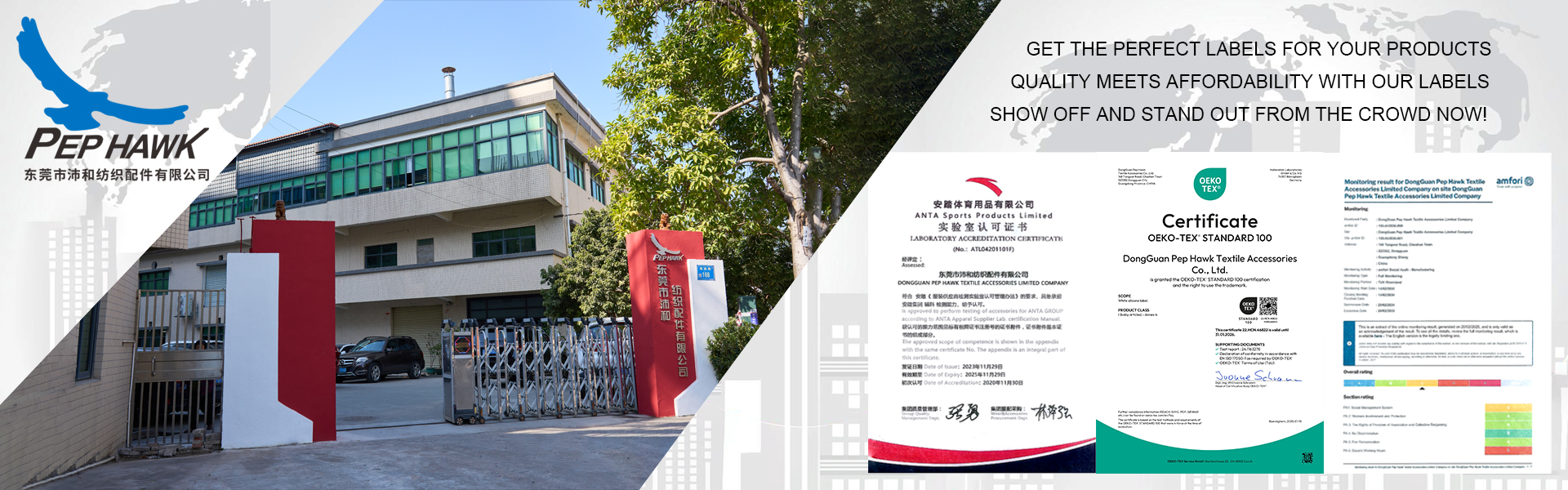
How This Design Could Be the Last Thing Anyone Forgets About You
What If Your Velcro Patch Could Make You the One They Trust: The Removable Badge Top Teams Actually Wear