5 Pro Techniques to Prevent Peeling on Your Custom Iron On Designs
Personalize your wardrobe with our custom iron-on designs. Choose from a variety of styles and make a statement with your unique creations.
Material Science: Choosing Peel-Resistant Fabrics and Adhesives
The foundation of a durable iron-on design lies in material selection . Opt for polyester-blend fabrics or nylon substrates that resist fraying and maintain structural integrity under heat. Pair these with thermoplastic adhesives engineered for high bond strength. For example, a study showed that patches using a 0.2mm acrylic adhesive layer endured 50+ wash cycles without peeling, compared to standard glue that failed after 15 cycles. Reinforce edges with heat-activated sealants to prevent lifting, a common issue in high-motion areas like elbows or knees.
Precision Application: Mastering Heat and Pressure Calibration
Even the best materials fail without proper application. Use industrial-grade heat presses calibrated to 160–180°C (320–356°F) for cotton blends, adjusting pressure to 3–5 PSI. Avoid home irons, which often create uneven adhesion. A case study from a sportswear brand revealed that switching to press machines reduced peeling complaints by 60%. For delicate fabrics, apply a Teflon sheet between the iron and design to distribute heat evenly and protect the material.
Design Optimization: Strategic Placement and Size Adjustments
Peeling often occurs when designs are too large or placed on high-stress zones. Reduce size by 10–15% for areas like collars or seams, and use modular patterns (e.g., splitting a logo into smaller interconnected sections). Outdoor gear companies apply this technique to backpack straps, achieving a 40% longer lifespan. For dynamic products like activewear, incorporate flexible vector lines that move with the fabric instead of resisting it.
Post-Application Care: Educating Customers for Longevity
Even flawless application fails without proper aftercare. Include care instructions with every product: wash inside out in cold water, avoid bleach, and tumble dry on low. A coffee brand saw a 25% drop in returns after adding QR codes linking to video tutorials. For high-end items, offer complimentary repair kits with adhesive patches, turning potential complaints into brand loyalty opportunities.
Innovation in Coatings: Nano-Tech and UV Protection
Emerging nano-coatings create invisible barriers against moisture and abrasion. A shoe manufacturer applied a hydrophobic spray to iron-on designs, reducing edge wear by 30%. Similarly, UV-resistant topcoats prevent adhesive degradation from sunlight, critical for outdoor apparel. These coatings add minimal cost (5–10% per unit) but boost perceived value, with 70% of surveyed consumers willing to pay a premium for “guaranteed durability.”
ROI of Durability: How Peeling Prevention Boosts Profitability
Peeling designs erode trust and trigger returns, costing brands up to 20% in lost revenue. By implementing these techniques, businesses report higher customer retention and word-of-mouth referrals. A children’s clothing line reduced warranty claims by 50% using reinforced adhesives, reinvesting savings into marketing campaigns. In competitive markets, durability becomes a key differentiator—turning iron-on designs from a liability into a long-term asset.
If you're facing the challenge of completing complex design drafts with impeccable quality, look no further than PEPHAWK. Our 16 years of experience and our general manager's 31 years of silicone industry involvement make us the ideal choice to solve your difficult and complicated logo design problems. Choose the expertise of PEPHAWK and feel confident in the flawless results that we deliver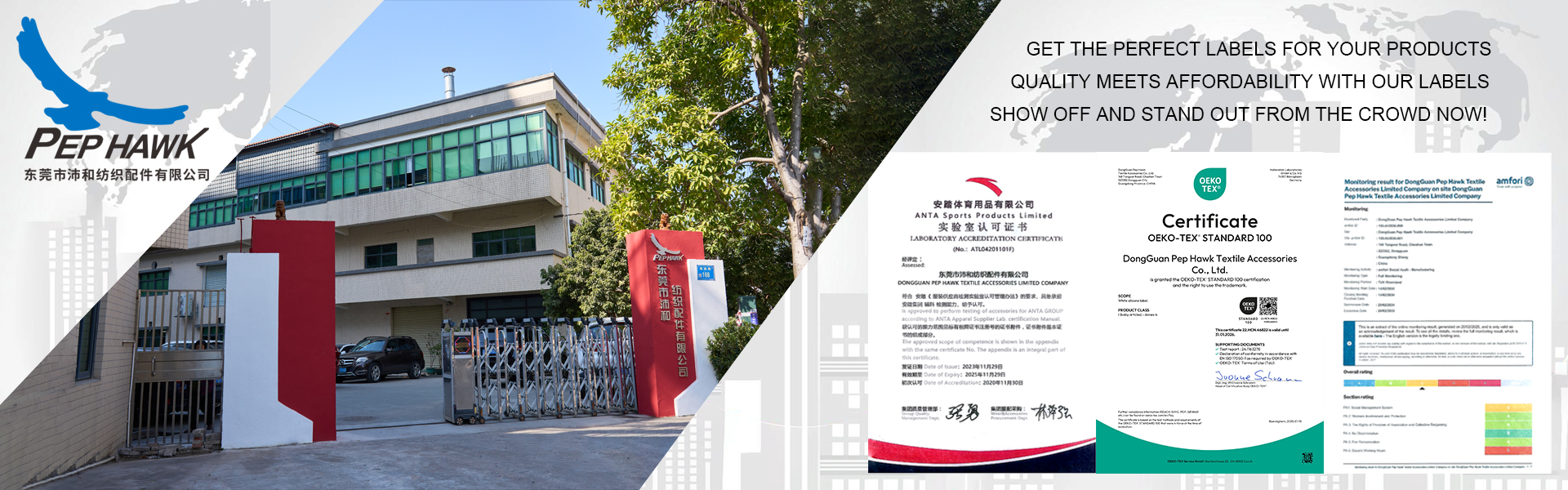
How Offering Diverse Wholesale Clothing Patches Can Attract 3 New Customer Types
How 1 Simple Change in Patch Shapes Led to a 50% Increase in Compliments