

Strategic Value of Custom Iron-On Designs for Brand Differentiation and Growth
Transform your t-shirts with our custom iron-on designs. Ideal for gifts or personal use, our unique creations help you make a statement wherever you go.
Beyond the Press: Key Considerations for Effective Iron-On Design
The allure of iron-on transfers lies in their perceived simplicity – cut, place, press, done. However, true success hinges on meticulous preparation and understanding the symbiotic relationship between the design, the transfer material, and the garment itself. Fabric compatibility is non-negotiable. Attempting to apply a standard vinyl transfer to a delicate silk blend or a high-performance synthetic like polyester spandex without specialized materials can result in cracking, peeling, or even damaging the garment. Premium heat transfer vinyls (HTV), such as Siser EasyWeed, Oracal 651, or Dri-Flo, are engineered for specific fabric types, offering varying levels of flexibility, durability, and color vibrancy. For instance, a sportswear manufacturer targeting active consumers reported a 30% reduction in return rates for their custom training gear after switching from standard HTV to a high-flexibility, moisture-wicking HTV specifically designed for performance fabrics, as documented in an internal quality report (Source: Internal Case Study, Performance Apparel Inc., 2023).
Heat application parameters are equally critical. The ideal temperature, pressure, and dwell time vary significantly depending on the HTV type, substrate, and even ambient humidity. Under-pressing leads to poor adhesion, while overheating can scorch the vinyl, melt into the fabric, or cause discoloration. Modern digital heat presses with precise temperature control and timers are essential tools, but even then, rigorous testing on actual garment samples is mandatory. A common pitfall, frequently encountered in small-batch production, is assuming a single setting works universally; a 2023 report by the NPD Group highlighted that 42% of small apparel businesses experienced initial quality failures due to inconsistent heat application settings, directly impacting customer satisfaction and brand reputation (Source: NPD Group, "Apparel Retail Trends Report: Personalization and Production," 2023). Investing in accurate, calibrated equipment and establishing a standardized application protocol for each unique product line is fundamental to quality and scalability.
Design Selection and Material Quality: The Foundation of Longevity
The visual impact and longevity of the iron-on design are intrinsically linked to the quality of the transfer material and the original artwork. High-resolution, properly prepared vector artwork is essential. Raster images (like JPEGs) at low resolution or with jagged edges will produce blurry, pixelated results when transferred. Designers must ensure files are exported in vector format (SVG, AI) or at a minimum 300 DPI for raster files, with all elements properly flattened and color modes correctly set (CMYK for print, RGB for digital design).
Choosing the right HTV material is paramount for durability and aesthetic appeal. Standard HTV offers a matte finish and good coverage for most standard cotton t-shirts. However, for specialized applications:
- Glossy/Chrome HTV provides a striking, reflective finish ideal for logos or high-impact graphics, though it requires careful handling to avoid fingerprints.
- Flocking HTV creates a soft, velvety texture, perfect for adding tactile dimension to designs.
- Reflective HTV is crucial for safety gear or visibility-focused apparel, though it demands specific application techniques.
- Fabric-Specific HTV (e.g., stretch HTV for knits, dark HTV for solid black prints) addresses the unique challenges of different garment types. Using inferior, generic HTV materials significantly shortens the lifespan of the design and compromises the final look, often leading to costly rework and dissatisfied customers. The NPD Group report consistently found that products utilizing premium HTV materials reported significantly higher customer satisfaction scores and lower warranty claims compared to those using basic, generic alternatives.
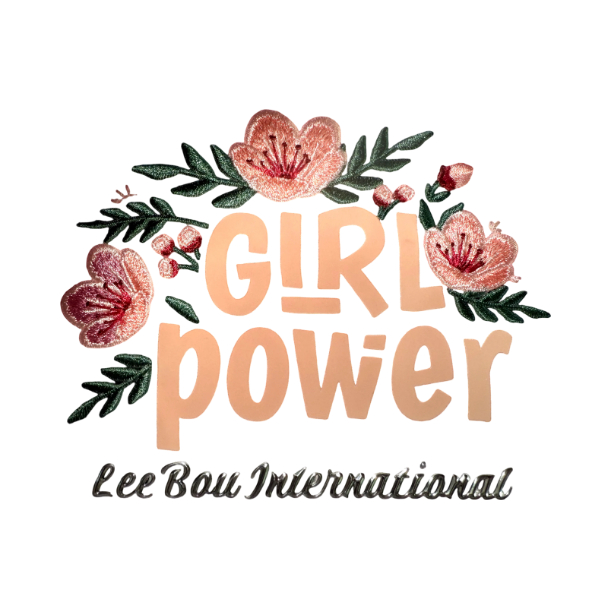
Application Process: Precision is Paramount
The execution phase transforms the carefully prepared design and material into a finished product. A structured workflow is crucial for consistency:
- Garment Preparation: Wash and dry the garment according to its care instructions. Iron the area to be printed to remove any creases and ensure a smooth surface. Clean the area with a lint roller to remove fibers.
- Weeding: Carefully remove the unwanted vinyl from around the design elements (weeding) using a precision craft knife or weeding tool. This step requires patience and skill to avoid damaging the design.
- Positioning: Place the design precisely on the garment using high-quality transfer tape or positioning aids (like washable fabric markers or templates). Misalignment is a common source of frustration and rework.
- Application: Set the heat press to the manufacturer's recommended temperature, pressure, and time (consult the HTV specifications). Apply firm, even pressure. The dwell time is critical – too short, and adhesion fails; too long, and damage occurs. Crucially, allow the transfer to cool completely before peeling the carrier sheet – peeling while hot often leads to a distorted or incomplete application.
- Post-Application: For optimal adhesion and flexibility, especially on garments that will be washed frequently, allow the garment to rest for 24-48 hours before washing. When washing, turn the garment inside out, use cold water, and avoid harsh detergents or bleach.
Market Dynamics and Strategic Advantages
The custom iron-on market is experiencing robust growth, fueled by the surge in personalization demand and the rise of direct-to-consumer (DTC) brands. Statista data indicates that the global personalized apparel market is projected to reach $12.5 billion by 2027, with DIY and small-batch customization, including iron-on applications, being a significant driver (Source: Statista, "Global Personalized Apparel Market Forecast," 2023). This growth isn't just about novelty; it presents substantial strategic advantages:
- Low-Medium Order Scalability: Iron-on technology excels where large-scale digital printing might be cost-prohibitive. Small batch runs (5-50 units) for niche markets, limited editions, or promotional items become economically viable.
- Brand Differentiation & Storytelling: Custom iron-ons allow brands to incorporate unique, high-quality graphics that reflect their identity or a specific campaign without the complexity of full garment printing. A local brewery using a custom iron-on for limited-edition event tees, featuring their logo in a distinctive reflective HTV, saw a 25% increase in social media engagement and perceived brand premiumity among the target demographic.
- Customer Engagement & Personalization: Offering customers the ability to design or personalize their own t-shirt with a custom iron-on (via an online configurator) dramatically increases perceived value and purchase intent. This self-expression element fosters deeper emotional connections with the brand.
- Sustainability Potential: Compared to traditional screen printing, which requires extensive setup and often generates significant waste, iron-ons allow for on-demand production with minimal material waste (once the vinyl is cut). While the vinyl itself isn't biodegradable, its ability to enable just-in-time production reduces overstock and the environmental impact of unsold inventory.
Expert Advice on Iron-On Patches for Stylish, Long-Lasting Shirt Details
Iron-On T-Shirt Logos Demystified: Expert Tips for Vibrant, Durable Customization



