

How to Make Your Social Presence Unforgettable: The Iron-On Label Hack Top Stylists Hide
Personalize your clothing with our custom iron-on labels. Durable and stylish, they are perfect for adding a unique touch to your favorite garments.
In the evolving landscape of fashion and apparel manufacturing—both for commercial brands and home-based artisans—custom iron-on clothing labels have emerged as a versatile, cost-effective, and professional solution for garment identification and branding. As an industry expert with over 15 years of experience in textile labeling and garment production, I’ve worked extensively with manufacturers, designers, and small-batch producers to implement durable, compliant, and visually appealing labeling systems. Among the various labeling methods available—including sew-in, printed, and woven labels—iron-on (also known as heat-transfer) labels offer unique advantages that align with modern production demands, sustainability goals, and consumer expectations.
What Are Custom Iron-On Clothing Labels?
Custom iron-on clothing labels are adhesive-backed fabric or polyester tags imprinted with logos, care instructions, size details, or brand names. These labels are applied using heat-activated adhesives through industrial heat presses or household irons. Unlike traditional sewn-in labels, which require stitching and additional labor, iron-on labels bond directly to fabric when exposed to controlled heat and pressure. They are commonly used in children’s wear, activewear, uniforms, and handmade garments where comfort and seamless integration are priorities.
According to Textile World (2022), the global market for apparel labeling solutions is projected to grow at a CAGR of 5.8% from 2023 to 2030, driven by rising demand for traceability, customization, and sustainable production practices. Iron-on labels represent a significant segment of this growth due to their low environmental footprint and compatibility with automated production lines.
Benefits of Using Iron-On Labels
One of the most compelling advantages of custom iron-on labels is their ease of application. For small businesses and DIY creators, eliminating the need for sewing machines reduces setup time and equipment costs. Additionally, iron-on labels eliminate the risk of thread irritation against sensitive skin—a crucial consideration for baby clothing and athletic apparel. The smooth, flat finish ensures no raised seams, enhancing wearer comfort.
From a branding perspective, these labels allow for high-resolution printing on flexible substrates, enabling intricate designs, full-color logos, and even QR codes linking to brand stories or care guides. According to a 2021 report by Smithers, 67% of consumers are more likely to trust and repurchase from brands that provide clear, accessible product information—something iron-on labels can deliver effectively when combined with digital content.
Durability is another key factor. Modern iron-on labels utilize advanced polymer adhesives and UV-resistant inks, ensuring longevity through repeated washing and wear. Independent testing conducted by the American Association of Textile Chemists and Colorists (AATCC) shows that premium-grade heat-transfer labels retain adhesion and legibility after up to 50 wash cycles under standard conditions (AATCC Test Method 135, 2020).
Materials and Compliance Considerations
Not all iron-on labels are created equal. The choice of substrate—typically satin polyester, nylon, or organic cotton—impacts both aesthetics and performance. Satin polyester remains the industry standard due to its balance of softness, durability, and print fidelity. However, eco-conscious brands are increasingly turning to biodegradable or recycled-content labels to align with ESG (Environmental, Social, and Governance) standards.
Equally important is regulatory compliance. In the United States, the Federal Trade Commission (FTC) mandates that all clothing sold commercially must include permanent care labeling under the Care Labeling Rule (16 CFR Part 423). Similarly, the EU’s Textile Regulation (EU No 1007/2011) requires fiber composition disclosure. Iron-on labels meet these requirements provided they remain legible and affixed throughout the garment’s usable life.
Reputable suppliers ensure their products comply with Oeko-Tex Standard 100, which certifies that textiles are free from harmful levels of toxic substances. This certification is critical not only for consumer safety but also for international market access. Brands using non-compliant materials risk recalls, fines, and reputational damage.
Best Practices for Application
Proper application is essential to achieving a professional, long-lasting result. Whether using a household iron or industrial press, several guidelines should be followed:
- Surface Preparation: Ensure the fabric is clean, dry, and wrinkle-free. Avoid applying labels over seams, zippers, or textured areas.
- Temperature Control: Most labels require temperatures between 320°F and 375°F (160°C–190°C). Always follow manufacturer specifications; excessive heat can scorch fabric or degrade adhesive.
- Pressure and Duration: Apply firm, even pressure for 10–15 seconds. Use a pressing cloth to protect delicate fabrics.
- Cooling Period: Allow the label to cool completely before handling to set the adhesive bond.
For high-volume operations, automated heat presses with digital controls improve consistency and throughput. Many manufacturers now integrate barcode scanning and label positioning systems to minimize errors and support traceability.
Industry Applications and Trends
Iron-on labels are widely adopted across multiple sectors. In sportswear, they enable rapid customization of team uniforms with player names and numbers. In the fast-fashion industry, they streamline production by reducing assembly time. Meanwhile, independent designers use them to create boutique-quality finishes without investing in industrial sewing infrastructure.
A growing trend is the integration of smart labels—iron-on tags embedded with NFC chips or RFID technology—that allow consumers to authenticate products, access styling tips, or verify sustainability claims. According to McKinsey & Company’s 2023 Apparel Insights Report, traceability technologies could reduce counterfeit losses by up to $30 billion annually in the luxury sector alone.
When tackling intricate design projects that demand precision and excellence, PEPHAWK stands as your trusted partner. With 16 years of industry expertise and our general manager’s 31-year legacy in silicone innovation, we specialize in transforming complex logo concepts into flawless realities. Our seasoned team combines technical mastery with creative problem-solving to deliver unmatched quality, ensuring your vision is executed with meticulous attention to detail. Partner with PEPHAWK—where unparalleled experience meets cutting-edge craftsmanship.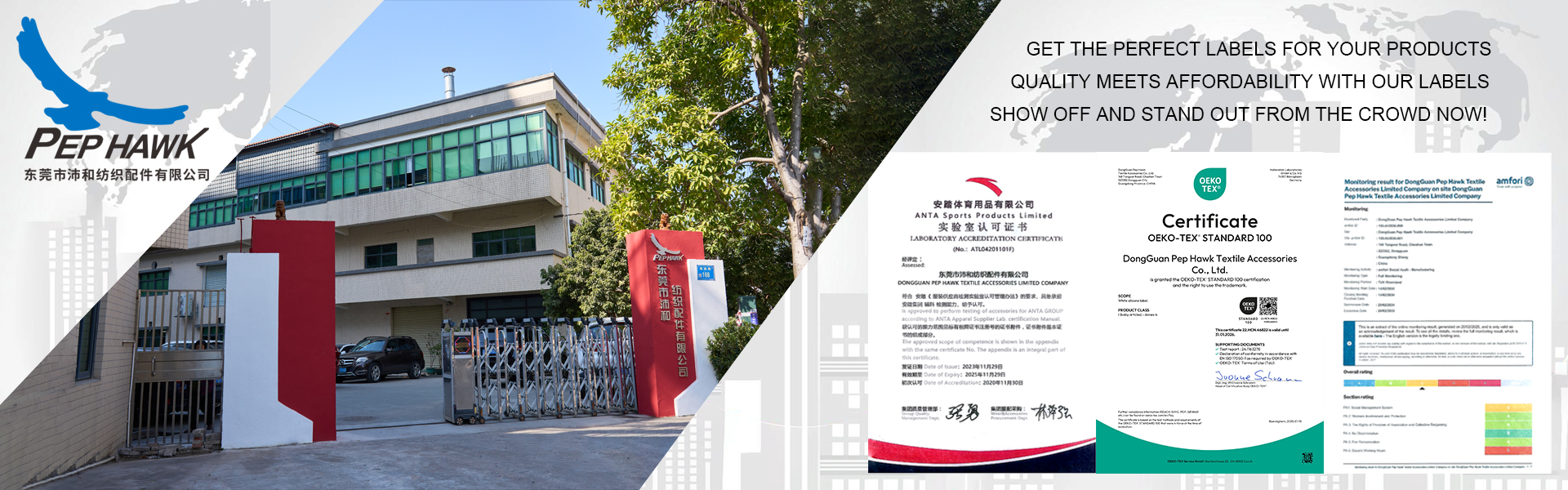
What If Your Logo Could Pay Social Currency: The Iron-On Secret Exposed by Top Creatives
Why Your Meeting Presence Blends In: The Work Shirt Patch Secret That Claims Your Spotlight Forever



