

Why Custom Hem Tags are a Must-have for Your Apparel Business
2024-12-04
Are you ready to take your clothing business to a new level? Starting today, use custom hem labels to stand out in the competition. Contact us now!
In the world of fashion, every detail counts when it comes to branding and marketing. One of the most effective ways to create a lasting impression on customers and differentiate your products from competitors is through the use of custom hem tags. Hem tags are a small but powerful branding tool that can enhance the perceived value, quality, and uniqueness of your apparel products. In this article, we'll explore why custom hem tags are a must-have for your apparel business, the benefits and types of hem tags, how to design them, and how to implement them in your business strategy.
Introduction to Custom Hem Tags
Custom hem tags are labels or tags that are attached to the hemline or seam of a garment. They typically contain information such as the brand name, logo, size, care instructions, and sometimes a special message or tagline. The purpose of custom hem tags is to promote brand recognition, communicate brand values and messages, and enhance the visual appeal of the product. Hem tags are especially important for small and independent fashion brands that do not have the marketing budgets of larger companies.
Benefits of Custom Hem Tags
There are numerous benefits to using custom hem tags in your apparel business. Firstly, hem tags increase brand visibility and recognition. By having your brand name and logo prominently displayed on your products, you create a sense of familiarity and trust with customers. This builds brand loyalty and encourages repeat business. Secondly, hem tags can help you to communicate your brand values and messages. For example, you can use them to promote your brand's sustainable or ethical practices, or to highlight the quality of your products. Thirdly, hem tags enhance the perceived value and quality of your apparel products. Customers perceive garments with custom hem tags as being more exclusive and luxurious than those without. Fourthly, custom hem tags can boost sales and revenue. Hem tags can help your products stand out from competitors, and by increasing brand loyalty and perceived value, customers may be willing to pay more for your products.
Types of Custom Hem Tags
Choosing the right type of custom hem tag depends on the nature of your business, budget, marketing goals, and creative vision. Here are some of the most popular types of custom hem tags and their features:
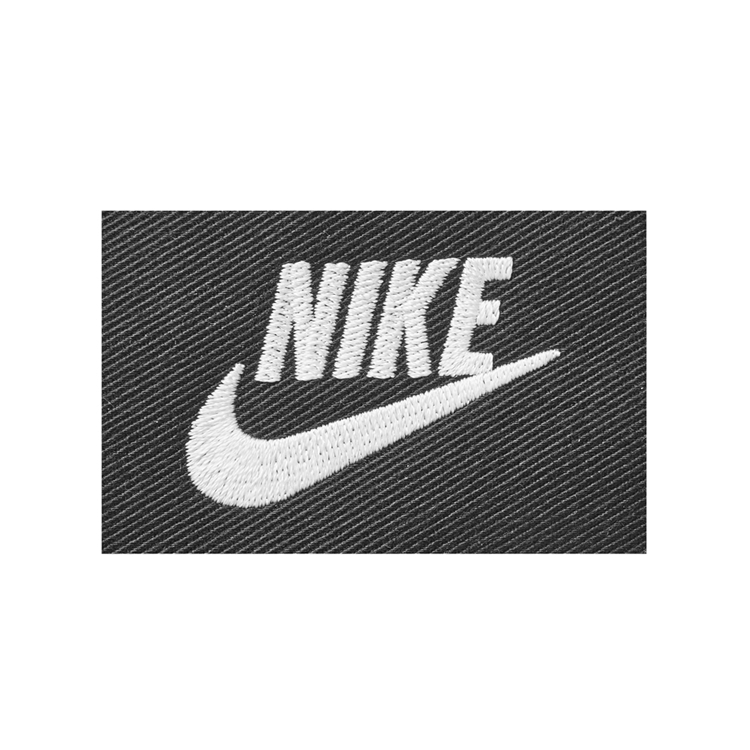
Woven hem tags: These are made by weaving threads of different colors to create a design. Woven hem tags are durable, high-quality, and suitable for luxury and high-end apparel brands. They are available in a wide range of colors, fonts, and designs, and can be customized with metallic threads, 3D effects, and other embellishments. The main drawback of woven hem tags is the higher cost and longer lead time compared to other types.
Printed hem tags: These are created by printing the design onto a piece of fabric using digital or screen printing technology. Printed hem tags are affordable, versatile, and easy to produce in large quantities. They are ideal for small to medium-sized businesses that want to add a professional and branded touch to their products without breaking the bank. Printed hem tags can have crisp and vivid colors, sharp lines, and intricate details, but may not be as durable or textured as other types.
Heat transfer hem tags: These are produced by transferring the design onto the fabric using heat and pressure. Heat transfer hem tags are perfect for complex designs, small batches, and multi-color graphics. They can be applied to a variety of fabrics, including cotton, polyester, and blends. Heat transfer hem tags are also cost-effective, eco-friendly, and easy to remove if needed. However, they may not have the same tactile quality or longevity as woven or leather hem tags.
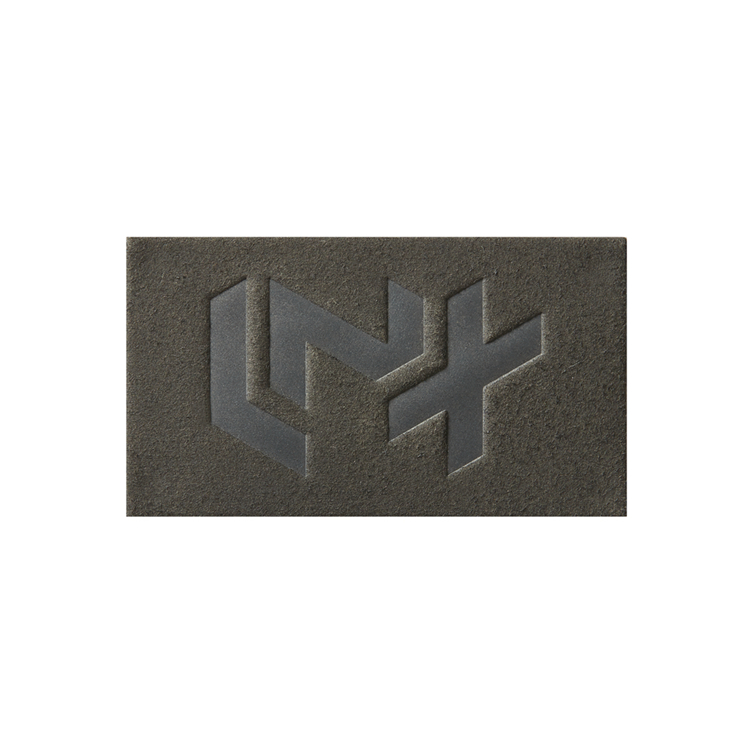
Leather hem tags: These are made from genuine or faux leather and are becoming more popular among fashion brands. Leather hem tags have a premium and timeless look and feel, and can be embossed, engraved, or printed with your logo and text. Leather hem tags are ideal for artisanal, rustic, or vintage-inspired apparel, and can add a touch of sophistication and luxury to your products. The downside of leather hem tags is the higher cost and the need for specialized tools and skills to attach them to the garment.

Rubber hem tags: These are made from soft rubber material and are flexible, waterproof, and durable. Rubber hem tags can have a 3D or raised effect, and can be embossed, debossed, or printed. Rubber hem tags are suitable for outdoor, athletic, or casual wear, and can be customized with different colors, shapes, and textures. Rubber hem tags may not be ideal for formal or dressy apparel, as they have a more casual and playful vibe.
Die-cut hem tags: These are created by cutting out the design from a piece of fabric or leather, and are highly customizable. Die-cut hem tags can have any shape, size, or pattern that you want, and can be designed to match your brand identity or product theme. Die-cut hem tags are perfect for adding a unique and creative element to your products, but may require extra attention and care when attaching them to the garment.
Designing Custom Hem Tags
Designing custom hem tags requires a mix of creativity, strategy, and attention to detail. Here are some tips for designing hem tags that will stand out and enhance your brand identity:
Use your brand colors, fonts, and imagery: Your hem tags should be consistent with your overall brand identity and messaging. Use your brand colors, fonts, and imagery to create a cohesive and recognizable look.
Keep it simple and legible: Hem tags should be easy to read and understand. Avoid using too much text or small font sizes, and make sure that the text is aligned and centered.
Showcase your value proposition: Use your hem tags to highlight your unique selling points, such as eco-friendliness, quality, or craftsmanship. This will help you to differentiate yourself from competitors and appeal to customers who share your values.
Play with textures and finishes: Hem tags can have different textures and finishes, such as matte, glossy, embossed, or metallic. Experiment with different options to create a tactile and visual impact.
Be creative and unique: Hem tags are a great opportunity to showcase your creativity and add a personal touch to your products. Try different shapes, patterns, and materials to create a hem tag that is memorable and distinctive.
By designing custom hem tags that reflect your brand identity and appeal to your target audience, you can elevate your product packaging and create a lasting impression on customers.
Implementing Custom Hem Tags in Your Business
Once you have designed your custom hem tags, it's time to implement them in your business strategy. You need to choose the right type and design of hem tags that will complement your products and brand image. You also need to consider the cost and logistics of producing and attaching hem tags. For small businesses, it may be more cost-effective to order small runs of hem tags from a printing or manufacturing company. Attaching hem tags to your products can be done manually or through automation, depending on the size of your business.
Conclusion
In conclusion, custom hem tags are a must-have for your apparel business if you want to enhance your branding and marketing efforts. By incorporating hem tags into your product design and packaging, you can increase brand visibility, loyalty, and value, and differentiate yourself from competitors. Designing and implementing custom hem tags may require some investment of time and resources, but the return on investment can be significant in terms of customer engagement and revenue growth.
The Power of Custom Logo Hoodies in Branding your Business
The Impact of Tennis Apparel Logos on Player Performance




SEND MESSAGE